
Upcycling Old Clothes: Transform a T-Shirt into a Tote Bag is a small project with a surprisingly large payoff: less waste, a useful accessory, and a chance to flex your creativity. In the next few thousand words I’ll take you through choosing the right shirt, the tools you need, step-by-step instructions, and a handful of design ideas to personalize your new bag. Whether you want a no-sew quick conversion or a reinforced tote for groceries, this guide covers practical techniques, common pitfalls, and finishing touches that make the result both beautiful and durable.
Why turn a tee into a tote?
Making a tote from an old t-shirt is low-cost, low-effort, and high-return in terms of utility and satisfaction. A single conversion can replace dozens of plastic bags over its lifetime, and it’s a tangible way to reduce textile waste without complicated equipment. The process also offers a quick creative outlet, whether you’re gifting the bag, selling a few at a craft fair, or simply keeping it for everyday errands.
Beyond sustainability and thrift, the project teaches practical skills: cutting clean shapes, basic sewing or knotting, and simple reinforcement techniques. Those skills transfer to other repairs and small sewing projects, increasing the long-term value of a short weekend effort. Finally, a customized tote says something about you—your taste, your priorities, and sometimes your sense of humor—so it’s a small, wearable statement piece.
Who this guide is for
This guide is written for beginners who want clear instructions, but also for makers looking for new ideas and refinements. I’ll include no-sew methods as well as sewing options so you can pick what fits your time, tools, and the materials at hand. If you’ve never used a sewing machine, don’t worry: many of the techniques require only scissors and a bit of patience.
If you do own a machine, I’ll point out where it speeds the process and where hand-finishing still matters. I’ll also offer troubleshooting advice and alternatives for different t-shirt fabrics and sizes. By the end you should feel confident turning most tees into work-ready, attractive totes.
Materials and tools you’ll need
Gathering the right materials before you start keeps the process smooth and fun. For basic conversions you’ll need an old t-shirt, a pair of sharp fabric scissors, a ruler or measuring tape, and either a needle and thread or a sewing machine. If you prefer no-sew methods, include a fabric marker or chalk and possibly a cutting mat for precision cuts.
Optional supplies that elevate the final product include interfacing or fabric scraps for lining, a lighter or fray-stopper for synthetic blends, iron and ironing board, and decorative elements like patches or fabric paint. For reinforcement, heavy-duty thread or a zigzag stitch on the machine helps, and rivets or grommets add a professional look. Below is a quick checklist you can print or copy into your phone before starting.
- Old t-shirt (clean and dry)
- Sharp fabric scissors
- Measuring tape or ruler
- Needle and thread or sewing machine
- Safety pins or fabric clips
- Iron and optional interfacing
- Optional: fabric marker, embellishments, grommets
Choosing the right t-shirt
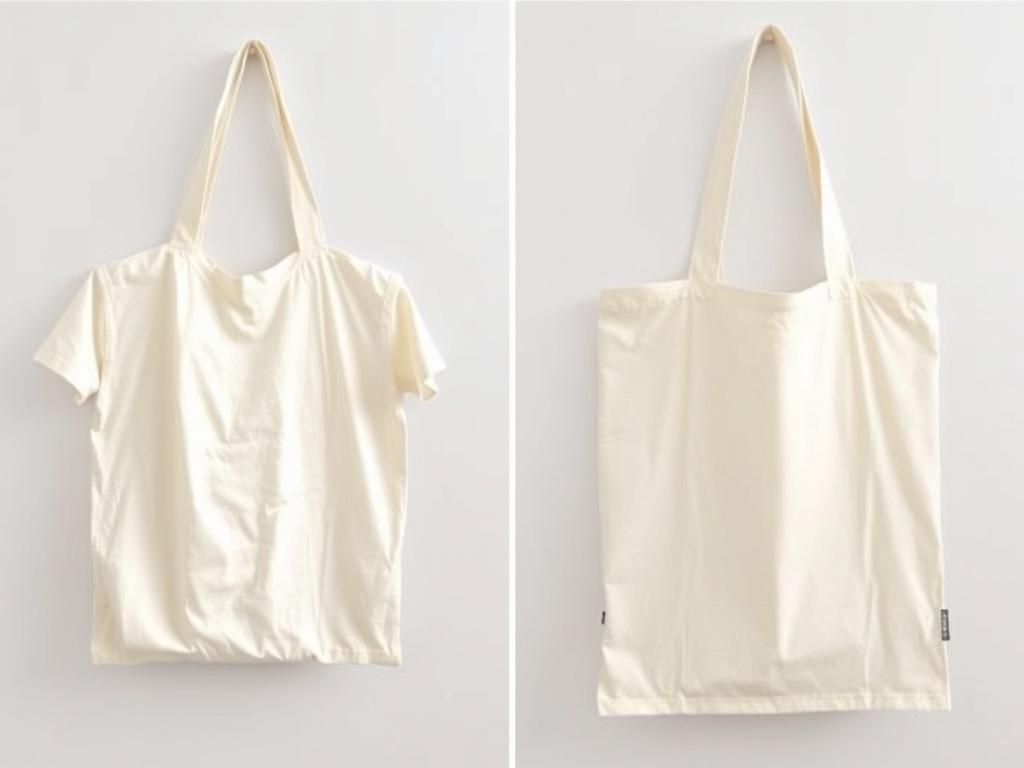
Not every tee makes an equally good tote. Look for shirts that are relatively thick and free of large holes or stains in the body area you plan to use. Cotton or cotton blends with a medium to heavyweight knit hold shape well; very thin or loosely knit shirts will sag and may not carry heavy loads comfortably.
Size matters for capacity. A men’s large or an adult medium typically yields a roomy bag, while children’s tees or small adult shirts will produce smaller totes perfect for lunches, toiletries, or kids’ belongings. Consider the graphic placement: you might center a logo on the front panel so it becomes the bag’s focal point.
Also think about fabric stretch and recovery. High-stretch athletic tees can make flexible, casual totes, but they benefit from lining or interfacing to avoid over-stretching. Stiffer fabrics like heavy cotton or cotton-poly blends give a more structured look and require less reinforcement.
Prepping the shirt
Start by washing and drying the shirt so any shrinkage happens before you cut. Pre-washing also removes lotions, odors, and residues that can interfere with adhesive or dye if you plan to decorate. Lay the shirt flat on a clean surface and smooth out wrinkles before you mark any lines.
For best results, trim any loose threads and remove tags that could interfere with cutting or sewing. If the shirt has a graphic you want to preserve, position it consciously when you fold and cut. Make light guidelines with a fabric marker or chalk rather than pressing too hard and creating permanent marks you might regret.
Basic measurements and sizing
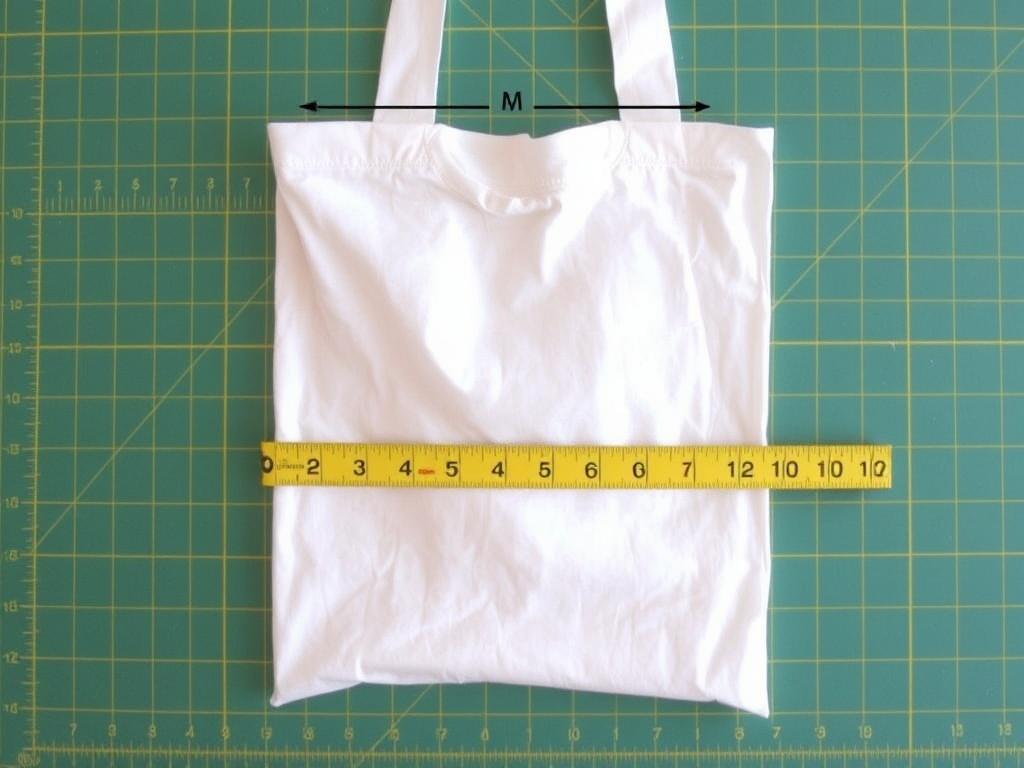
Decide how large you want the finished tote and measure the t-shirt accordingly. A common finished size for a medium tote is about 14–16 inches wide by 14–16 inches tall, which fits neatly within the front or back panel of most adult shirts. If you’re making a smaller bag, reduce those dimensions proportionally.
Measure twice and cut once. Place a ruler flat across the shirt, mark the desired width and height, and draw faint cutting lines. Keep notes about the seam allowance if you plan to sew: typically 1/4 to 1/2 inch of fabric per seam is plenty. If you intend to use the shirt’s original hem as the bag’s top edge, factor that into your measurements so you don’t cut it off accidentally.
Step-by-step: the no-sew fringe and knot tote
The simplest method uses the shirt’s body without sewing, creating a fringe bottom that you knot to form the base. This is fast, great for hands-on kids’ projects, and doesn’t require special tools beyond scissors and a ruler. It’s also forgiving: if your fringe length is uneven you can trim and re-knot until it looks right.
Start by cutting across the shirt just under the armholes to separate the body from the top. Then cut the rounded neckline away to open the top into a wide mouth. From the bottom hem, cut vertical strips of equal width (about 1/2 to 1 inch) up to the point where the front panel begins; leave at least 4 inches of uncut fabric between the fringe and the neckline for strength.
Once you have matching fringe strips on the front and back, tie corresponding front-and-back strips together in tight double knots to close the bottom. For extra security, tie a second knot closer to the base of the bag or weave strips into macramé-style knots. Trim the fringe ends neatly and you have a quick tote ready for light use.
When no-sew is the right choice
No-sew is ideal for quick gifts, classroom workshops, and situations where portability and speed matter. It keeps tools and mess to a minimum and still produces a usable bag for groceries, beach trips, or as a casual carryall. Remember that no-sew bags made from a single shirt are best for light to medium loads; they’re not designed for heavy grocery hauls unless reinforced.
If you want a no-sew option with more durability, consider using fabric glue to reinforce internal seams or add a simple lining from another shirt’s stomach panel. Hot glue works in a pinch but can stiffen the fabric and reduces washability, so choose adhesives specifically formulated for textiles when possible.
Step-by-step: the basic sewn tote
Sewing yields a more durable and polished tote suitable for heavier use. This method uses the shirt’s body as the bag panel and relies on a machine or hand stitching to close and reinforce seams. The finished product is cleaner, often with a defined square base and stronger straps.
To sew a tote, cut the shirt under the sleeves so you have a rectangular front and back panel joined at the side seams if you choose. Use the shirt’s original hem as the top edge if you like; it gives a neat finish and avoids needing to fold and stitch the top. Stitch the side and bottom seams together, right sides facing, using a 1/2-inch seam allowance and a straight stitch for cotton blends or a stretch stitch for knit fabrics.
To create a boxed bottom for more capacity, flatten a bottom corner so the side seam aligns with the bottom seam, forming a triangle. Measure up from the point to the desired depth (typically 2–3 inches), draw a line, and stitch across. Trim the excess triangle, turn the bag right side out, and press the seams for a neat finish.
Reinforcing the straps and seams
Straps are a frequent failure point, so give them extra attention. If the tote uses the shirt’s original shoulder area for straps, reinforce where the strap meets the body with a bar tack or a square of stitches in an X pattern. For homemade straps cut from the shirt, fold and stitch them into tubes or double layers to increase strength.
Using interfacing on strap pieces adds rigidity, but choose a lightweight fusible interfacing to preserve flexibility and washability. If you plan to carry heavy loads regularly, consider adding rivets at stress points; they require a small tool but greatly extend the bag’s life. Always test reinforcement methods on a scrap to ensure they don’t damage the fabric.
Adding a lining for structure and durability
Lining transforms a casual tote into a durable, polished accessory by hiding raw seams, adding body, and making it easier to wash without distorting the shirt fabric. You can line the bag with canvas, cotton, or scraps from another shirt; choose a fabric that complements or contrasts for visual interest. Cut the lining to the same dimensions as your outer shell, allowing for the same seam allowances.
Sew the lining together separately, leaving a small opening to turn the bag right side out if you want enclosed seams. Insert the lining into the outer shell with right sides together, stitch around the top edge, turn the bag through the opening, and then stitch the opening closed by hand or on the machine. Topstitching around the mouth of the bag adds a finished look and secures the lining in place.
Design ideas and embellishments
One of the strengths of upcycling is the freedom to make something uniquely yours. Simple options include screen-printing or block-printing over the shirt’s front, dyeing parts of the fabric with a dip-dye gradient, or adding patches and embroidery for texture. A painted or appliquéd pocket can turn a functional element into a focal point.
For subtle flair, use decorative stitches along the seams or add piping along the top edge. Braided straps made from multiple strips of fabric braided together feel artisanal and are comfortable on the shoulder. If you enjoy jewelry-making, small charms or keychain-style accents attached to the strap add personality without compromising functionality.
Printing and dyeing tips
If dyeing or printing, always test the technique on a swatch or hidden area to predict color changes and fabric reaction. Natural fibers like cotton accept dye more evenly than synthetic blends, while shirts with existing large graphics may require creative masking or integration of the print into a new design. Use fabric medium with acrylic paints to maintain flexibility and washability when painting on knit fabric.
For an attractive vintage look, try a reverse-dye technique: tie sections with string and bleach or wash gently with a color remover to create soft patterns. Conversely, tie-dye with bright pigments gives a lively, bold bag suitable for summer markets or beach days. Follow manufacturer instructions for fixes and rinses to keep colors lasting through multiple washes.
Adding pockets and closures
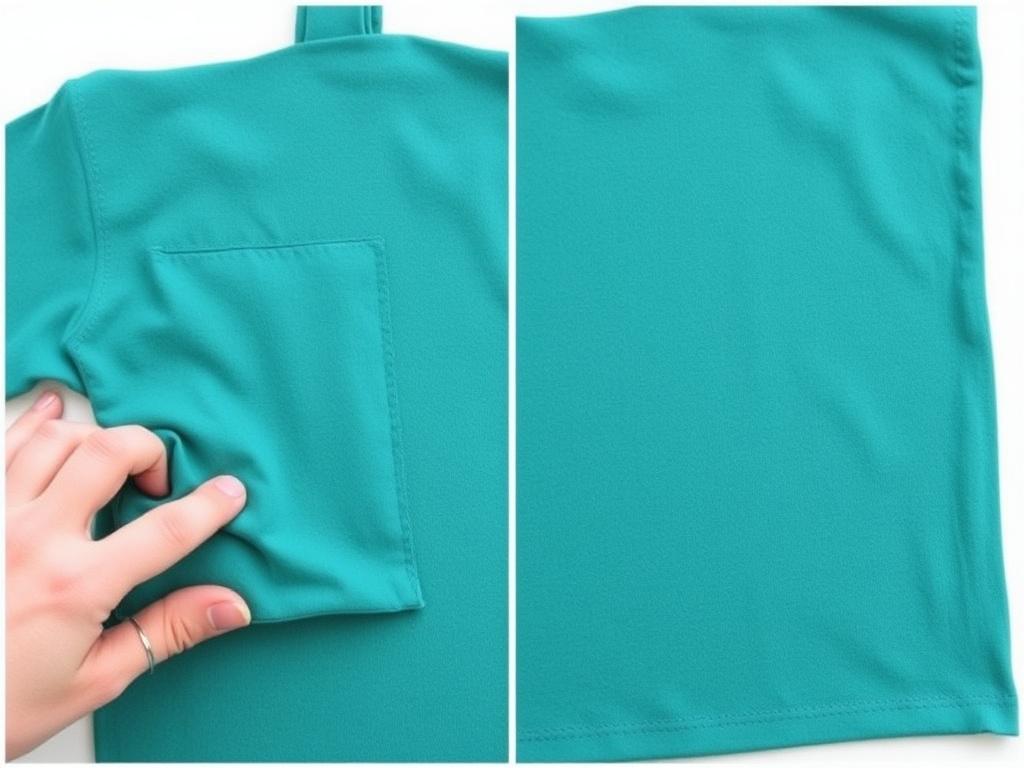
Pockets increase the tote’s usefulness for small items like keys and phones. Use a pocket from another shirt or cut a portion of the original tee’s front graphic and stitch it inside or outside the bag. For stronger pockets, double the fabric or add interfacing and topstitch around the edges to prevent sagging.
Closures such as magnetic snaps, zippers, or a simple button-and-loop provide security when carrying valuables. Sew a zipper into the top using a zipper foot on your machine for a neat finish, or attach a magnetic snap with small fabric tabs to reinforce the area. When choosing closures, consider how often you’ll open and close the bag; zippers are secure but take longer to install, while snaps and buttons are quicker but less secure.
Troubleshooting common problems
Stretchy fabric that sags after a few uses usually needs reinforcement or lining. Adding a layer of interfacing or a canvas lining will bring back the structure and reduce stretch over time. For immediate fixes, sew a few horizontal reinforcement stitches near the top inside the bag to limit further stretching.
If seams pucker or fabric bunches under the machine, adjust the tension and use a ballpoint needle for knit fabrics. Bunching often results from an incorrect needle or from pulling the fabric rather than guiding it. Practice on a scrap of the same material to find the right settings before stitching critical seams on your project.
When straps tear at stress points, you can patch the interior with a scrap of heavy fabric and stitch it securely, or add external decorative patches that double as reinforcement. Small tears are easier to mend than large ones; catching a problem early prevents the need to replace an entire strap later.
Care instructions for your upcycled tote
Caring for a t-shirt tote is straightforward but deserves attention to preserve color and shape. Wash most cotton tote bags in cold water on a gentle cycle to prevent shrinkage and fading, and hang to dry or tumble dry low if necessary. If your tote has embellishments like glue or delicate embroidery, hand washing is the safest choice.
Store your tote flat or hung by a padded hanger to avoid stretching the straps, and avoid overloading it consistently to preserve seams. If stains occur, treat them promptly with a fabric-safe stain remover and avoid harsh bleaching which can damage fibers and alter colors unpredictably. Regular light care extends the life of the tote and keeps it looking fresh for daily use.
Using t-shirt scraps for accessories
Don’t discard the scraps left after cutting a tote: they’re excellent for small accessories and reinforcements. Short strips can be braided into key fobs, coasters, or child-sized bracelets, while small panels make patch pockets or fabric-covered buttons. Using scraps reduces waste and offers opportunities to create matching accessories for sale or gifting.
Smaller leftover pieces are perfect for stuffing a small washable pillow or making soft toy components for kids. If you collect scraps over time, consider making a patchwork tote later—stitching many small pieces together creates a colorful, textured bag with a distinct handmade aesthetic. That patchwork approach is an especially good way to use sentimental fabrics you don’t want to throw away.
Scaling up: making multiple totes for events or sales
Turning one shirt into a tote is satisfying, but once you’ve nailed the process you can scale up for fundraisers, craft fairs, or small ecommerce efforts. Create an assembly line: one person cuts, another sews, and a third finishes straps and embellishments. Batch-processing steps like cutting and pressing saves time and keeps quality consistent.
For markets, prepare a size range and price them according to materials, time, and finish. Simple no-sew bags appeal to budget shoppers and parents buying for children, while lined, reinforced totes command a higher price and appeal to eco-conscious buyers. Presentation matters: fold each tote neatly and include a small tag describing the fabric source and care instructions to add perceived value.
Pricing and material cost table
When selling handmade totes, understanding material costs and labor helps set fair pricing. Below is a simple table to estimate costs based on typical materials and an hourly rate for labor. Adjust figures for your local materials pricing and desired profit margin.
| Item | Estimate cost | Notes |
|---|---|---|
| Used t-shirt | $0–$2 | Free if from your closet; thrift cost if purchased |
| Thread and small notions | $0.25–$0.75 | Per bag estimate |
| Interfacing/lining fabric | $0.50–$2 | Depends on fabric choice and scrap availability |
| Labor (per bag) | $5–$15 | Based on time and local rates |
Real-life examples and personal experience
I remember making my first t-shirt tote the evening before a weekend market; the shirt had belonged to a friend and the front panel carried a faded logo that I wanted to preserve. The first bag was far from perfect, with slightly uneven straps and a lumpy boxed bottom, but customers loved the story behind it and it sold quickly. That experience taught me that people buy narrative as much as craftsmanship, and a well-told origin makes a humble object meaningful.
Since then I’ve experimented with different fabric combinations: adding canvas panels for structure, repurposing denim pockets for exterior storage, and using recycled banners to create hybrid totes with great durability. One of my most popular designs paired a soft cotton tee with a sturdy canvas base and leather-like riveted handles; the contrast in texture made the tote both practical and visually striking. Sharing these iterations with buyers helped refine the product and build repeat sales.
Teaching others: workshops and group projects
A t-shirt-to-tote workshop is an excellent entry point for teaching sewing basics and upcycling principles to adults and kids. Plan a 90-minute session for a no-sew version or two hours if machines and lining are involved. Provide pre-washed shirts of various sizes and a simple materials kit so participants can focus on technique rather than sourcing supplies.
In workshops, demonstrate key steps slowly: cutting a clean line, matching fringe strips, or reinforcing straps. Encourage experimentation with embellishments so attendees feel ownership of the final product. Group projects also create joyful social settings where people swap stories about the tees they brought, which enriches the learning experience and makes the finished bag more meaningful.
Legal and safety considerations
If you plan to sell upcycled goods, be mindful of copyright and trademark issues when the t-shirt features a branded logo or copyrighted artwork. Using shirts with prominent trademarks can create legal complications, especially if the new product is marketed or sold. When possible, use plain shirts or those with public domain imagery, and avoid reproducing famous logos in a way that implies endorsement.
Safety-wise, ensure small embellishments like buttons or rivets are secured properly if the bag is intended for children. Choking hazards should be avoided for bags designed for younger age groups, and all adhesives or paints used should be non-toxic and washable. Clearly label any product meant for children with age-appropriate guidance to protect both buyers and sellers.
Beyond totes: other useful projects from old tees
Once you’ve mastered the tote, other projects follow naturally: produce a market apron, a reusable produce bag, or a soft sleeping mask from a small panel. T-shirt yarn, created by cutting the shirt into long loops, is popular for crocheting rugs, headbands, and baskets. The same fabric can be repurposed into padded laptop sleeves or travel organizers with a little interfacing and zippers.
These projects let you use every part of the shirt, minimizing waste and maximizing value. I’ve found that offering a range of small items alongside totes at a craft table increases average sale size because buyers see coordinated sets—matching coasters, pouches, and a tote feel like a purposeful collection. This approach also sells faster in gift-market settings where shoppers look for bundled items.
Final practical tips before you start
Clear a large, well-lit workspace and lay the shirt on a flat, stable surface to ensure straight cuts and accurate measurements. Keep your scissors sharp—dull blades create jagged edges that fray and look unprofessional. Test your stitches and tension settings on a scrap of the same fabric before sewing anything important.
Work patiently and allow for small mistakes; many can be corrected with a little extra stitching, trimming, or a decorative patch. Keep an emergency kit nearby with fabric glue, spare thread, and small safety pins so you can handle unexpected problems without frustration. Finally, enjoy the process: the best upcycled projects reflect both utility and personality, and a tote made by hand carries that story every time it’s used.
Where to go next and project ideas to try
After one successful tote, challenge yourself with variations: experiment with double-layered straps, add an internal zipper pocket, or try color-blocking several shirt panels together. Consider hosting a swap where friends bring shirts to trade and everyone leaves with a new tote and new stories. Each variation teaches a new technique and broadens your skill set for future upcycling projects.
If you want to explore more structured sewing, try making a tote with a full canvas outer shell and a t-shirt lining, reversing the typical arrangement to keep the soft fabric interior next to delicate items. Or create a weekend market collection by producing three sizes—small, medium, and large—using a single pattern scaled up or down. With a little practice, transforming tees into functional, attractive totes becomes an efficient, rewarding routine you’ll return to again and again.