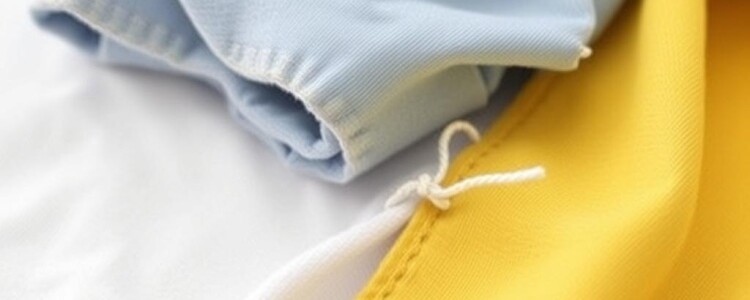
Repairing garments is a quiet kind of creativity that keeps clothing alive and tells the story of wear. Whether you want a seam to disappear or to celebrate a tear with color, the choices you make change how a piece looks, how it feels, and how long it will serve you.
Why mend instead of replace
Mending saves money, reduces waste, and preserves the memory encoded in a favorite shirt or pair of jeans. A well-repaired garment can outlast many new items, and the act of repair reconnects you with how things are made.
There’s also a social and emotional side to mending: a visible patch can become a signature, an object of conversation, or a family tradition. Over time, visibly mended items often gain more personality and attachment than the pristine new ones they replace.
On a practical level, learning to mend develops useful hand skills: consistent stitches, thoughtful choice of materials, and neat finishing. Those skills transfer to other small repairs around the house, making mending a high-return habit.
Tools and materials you’ll want on hand
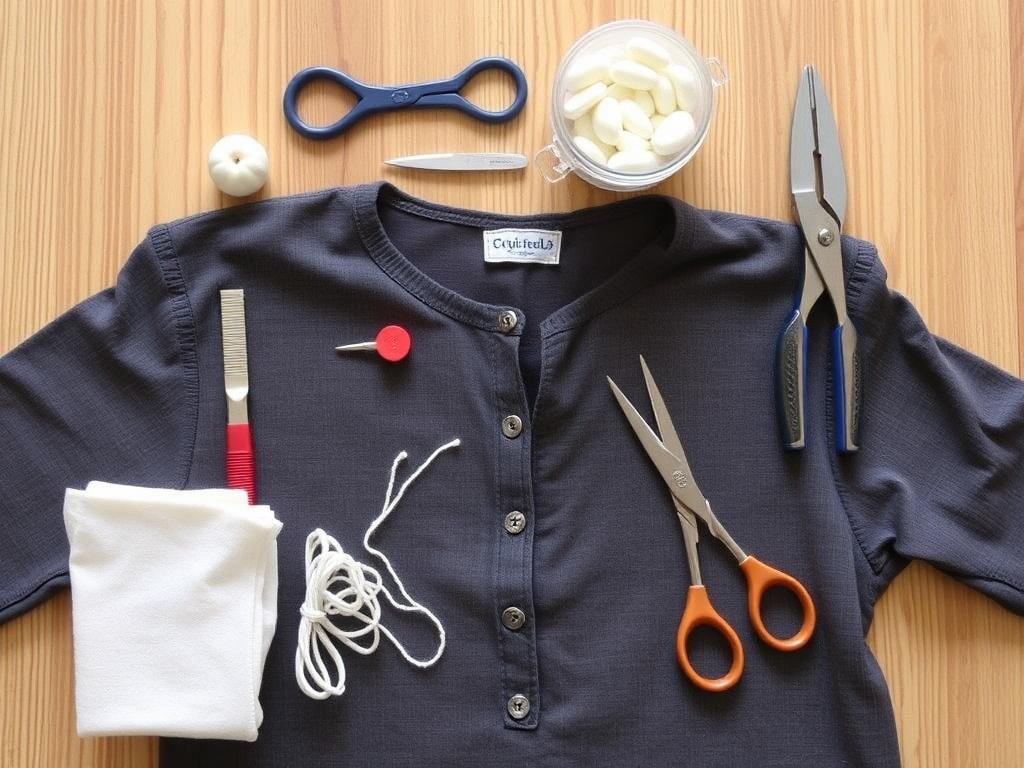
A modest kit covers most repairs: good needles in several sizes, a small pair of sharp scissors, a seam ripper, a thimble, and a measuring tape. Quality thread in neutral and matched colors, plus a heavier thread for jeans and canvas, will handle the majority of tasks.
Add to that a few specialty items—fusible interfacing, patches, a selection of buttons, and some lightweight stabilizer or darning eggs for knitwear. A portable iron and pressing surface make sewing neater and faster, and clear footed or small machine feet help when working on delicate fabrics.
Below is a compact list of essentials to keep in your kit. These items let you attempt both invisible and visible mends without running to the store every time.
- Hand sewing needles (sizes 7–10), sharps and tapestry needles
- Thread: polyester and cotton-wrapped polyester in matching and neutral shades
- Scissors and snips; small embroidery scissors for detail work
- Seam ripper, pins, and clips
- Fusible interfacing, patch fabric, and adhesive-backed fabric tape
- Darning egg or small embroidery hoop for knit repairs
- Iron and pressing cloth
Specialty materials and when to use them
For heavy wear areas like knees and elbows, use twill patches, denim, or canvas that match the weight of the garment. Lightweight silks and chiffons benefit from sheer organza or silk organza reinforcements, which preserve drape and transparency.
For knitwear, choose yarn that matches fiber content and gauge if you want the repair to disappear. Synthetic yarns often break down differently than natural fibers, so match fiber type where possible to maintain stretch and hand.
Invisible fusible web can be handy for hems and small tears, but avoid relying on fusibles for repairs that will be frequently laundered or stretched. Use them as a temporary or supplementary measure when stability matters more than longevity.
Invisible mending: principles and techniques
Invisible mending seeks to restore a garment so that the repair becomes nearly undetectable. The key is to match thread, tension, stitch pattern, and fabric structure as closely as possible to the original.
Invisible techniques are often time-consuming because they mimic the fabric’s original construction. When done correctly, they preserve silhouette and drape, making them ideal for heirlooms, tailored garments, and fine knits.
Common invisible techniques include darning for knits, reweaving for woven fabrics, blind hemming, and carefully matched seam repairs. Each method requires different tools and strategies, but all rely on careful observation and patience.
Darning knits step by step
Darning is the go-to method for holes in sweaters, socks, and other knitted items. Start by stabilizing the area on a darning egg or embroidery hoop to maintain the shape and tension while you work.
Choose yarn that matches the original in thickness and fiber where possible. Work horizontal running stitches across the hole, then weave perpendicular stitches through them to recreate the knit structure and distribute pressure evenly.
Finish by trimming any loose ends and gently steam-pressing to loosen the fibers, blending the repair into the surrounding fabric. A well-darned area will have a slightly denser texture but remain flexible and comfortable.
Reweaving woven fabrics
Reweaving is an advanced invisible technique that restores the fabric’s weave by inserting new warp and weft threads. It’s most successful on woven shirts, suit jackets, and upholstery with a stable structure.
The process begins by removing damaged threads and stabilizing the area with temporary supports. Then, using fine matching threads and a tiny needle, you insert new yarns in the original pattern, trimming and securing ends invisibly.
Reweaving requires close color-matching and steady hands; professionals often charge for this service because it can be time-consuming. For small holes on prized garments, it can be worth the cost to return a piece to its original look.
Blind hem and slip stitch techniques
Blind hemming and slip stitches let you finish hems without visible stitching lines on the garment’s exterior. A blind hem stitch catches only a fraction of the fabric edge, creating a nearly invisible finish on skirts, trousers, and curtains.
Use a narrow machine blind hem foot for quicker results or learn the hand slip stitch for delicate fabrics and curved hems. Press carefully: the right ironing technique makes a blind hem disappear visually and keeps the hem lying flat.
Practice is essential—test your stitch on scrap fabric cut from a hidden seam allowance to ensure tension and spacing match the garment before committing to the final hem.
Invisible zipper and seam repairs
Replacing a zipper so it remains unseen requires patience and sometimes a change of zipper style to match the garment construction. For dresses and skirts, an invisible zip with a narrow tape and concealed teeth is the best choice for a seamless look.
When re-sewing seams, use a thread that matches color and weight, and stitch with minimal seam allowance alteration to preserve fit. Take small, even stitches and press the seam open or to the appropriate side for a crisp finish.
For areas where fabric has thinned along the seamline, add a tiny patch of interfacing or a backing piece to prevent the new seam from tearing out under stress.
Visible mending: embrace the aesthetic
Visible mending celebrates repair, turning tears into decorative statements that prolong life and increase character. This approach suits casual garments and people who enjoy craft-driven fashion.
Techniques like sashiko, decorative patches, embroidery, and boro stitching are both functional and artistic. Visible mending can reinforce stress points while adding color, texture, and personal expression.
Choosing visible over invisible mending often reflects lifestyle and garment role: workwear and casual clothing welcome bold patches, while formal pieces may call for subtler solutions.
Sashiko and reinforced running stitches
Sashiko is a Japanese technique of dense running stitches that reinforce fabric and create geometric patterns. Traditionally used to fortify indigo-dyed fabrics, sashiko is perfect for reinforcing elbows, knees, and patches on denim.
Work with a long, tapered sashiko needle and thick cotton thread to build texture and strength. Patterns like herringbone, meander, and star motifs both secure fabric and create a striking visual statement.
I applied sashiko to an old work jacket and found the reinforced elbow now blends durability with a graphic interest that friends always comment on. It’s practical, fast to learn, and pairs well with both subtle and bold palettes.
Appliqué, patches, and creative visible mends
Appliqué uses fabric cutouts sewn over holes to add protection and personality. Use contrast fabrics for a deliberate look or tone-on-tone for softer emphasis; secure edges with tight blanket stitch or zigzag machine stitching.
Patches can be sewn by hand or machine; iron-on patches are quick but less durable. For high-traffic areas, stitch around the edges after fusing to keep the patch secure through washes and wear.
Decorative visible mends can tell a story: a child’s favorite denim jacket with animal appliqués, mended knees adorned with stars, or a backpack with layered patches that map a life of use.
Embroidered repairs and surface design
Embroidery transforms a simple repair into surface art. Anchor loose threads and holes with satin stitch, chain stitch, or French knots to create motifs that cover damage while strengthening the fabric.
Use embroidery to integrate a repair into the garment’s design, or create bold contrasts to make the mend the focal point. This technique works especially well on shirts, denim, and canvas accessories.
I once converted a coffee stain on a light blouse into a floral medallion with hand embroidery; the garment felt renewed and even more treasured afterwards. These playful solutions often extend garments’ lives beyond practical repair.
Choosing the right approach for the garment
Deciding between visible and invisible techniques depends on fabric type, location of damage, garment value, and your aesthetic goals. Consider whether you want the repair to disappear or to become a design feature.
For heirloom garments and tailored pieces, invisible methods protect structure and value. For everyday wear and workcloth, visible mending adds robustness and personality while often being quicker and more forgiving.
Also think about maintenance: invisible repairs may require more careful laundering, while visible patches and sashiko can often withstand rougher treatment. Balance longevity with the practical realities of how you will use the item.
Preparing the garment for repair
Before you begin, launder the item according to its care instructions to remove dirt, oils, and shrinkage that could affect the fit of a repair. Dampening for knit repairs or steaming for delicate fabrics helps fibers settle and simplifies stitching.
Work under good light and use a magnifier if color matching is essential. Secure the area with pins or basting stitches, and stabilize thin or fraying edges with lightweight interfacing or thin fabric scraps behind the damaged section.
Mark precisely where you will stitch: use tailor’s chalk or water-soluble markers on visible fabrics and thread tacking lines on darker or patterned fabric. Precision here pays off with neater, more durable repairs.
Assessing the damage and selecting a method
Small holes in a knit generally respond well to darning, while long rips along seams might need a fresh seam or reinforcement patch. Thinned fabric often benefits from a backing patch and surface stitching to spread stress across a larger area.
Examine stress direction: does the fabric pull vertically, horizontally, or in multiple directions? Choose a reinforcement strategy that redistributes force—patches that bridge the area and stitches that follow grain lines work best.
For complex or sentimental items, test your chosen technique on a scrap or hidden seam. This trial run helps refine thread selection, tension, and stitch length so you avoid surprises on the main repair.
Repairing specific garments: tips by fabric and use
Different materials demand nuanced approaches. Denim tolerates heavy stitching and patching, knitwear appreciates elasticity, and delicate silks require minimal invasive handling to preserve sheen and drape.
Understanding fiber behavior under stress and through laundering influences everything from thread choice to reinforcement approach. The following sections offer focused advice for common garment types.
Denim and heavy workwear
Denim responds well to reinforced patches, sashiko, and machine zigzag stitching. Use denim or canvas patches cut slightly larger than the worn area and secure them with a tight zigzag or running stitch around the perimeter.
For knee and seat repairs, consider adding an internal patch on the wrong side plus a decorative visible patch on the outside for double reinforcement. Heavy topstitching with matching or contrast thread adds strength and character.
When repairing jeans, maintain the original seam allowances and use a heavier needle and strong thread to mimic factory construction. Reinforce belt loops and pockets proactively to extend the garment’s life.
Knitwear and sweaters
Sweaters require attention to gauge and stretch. Use a darning mushroom or small embroidery hoop to stabilize holes when reknitting, and choose yarn that approximates the original fiber and thickness for the best blend.
For dropped stitches in a sweater, ladder back the hole with a fine needle, then reknit rows using a duplicate stitch technique that follows the knit structure. Keep tension slightly looser than surrounding fabric to prevent puckering.
If a sweater has multiple worn areas, consider a visible mending approach with reinforced patches or embroidery to balance the look rather than attempting to make every repair invisible.
Silks and delicate fabrics
Silk, chiffon, and other fine fabrics need ultra-fine needles and threads, plus a gentle hand. Use sheer organza or silk organza as backing to stabilize repairs without changing the drape or appearance dramatically.
Invisible slip-stitch hemming and narrow catch-stitches are preferable for tears; avoid machine stitching unless the fabric is backed and stabilized. When color-matching is critical, hand-dyeing small threads or trims can be an effective solution.
Press with a low heat setting and always use a pressing cloth. Overzealous ironing can crush silk sheen or set creases that are hard to remove later.
Leather and suede
Leather needs different tools: leather needles, strong nylon or bonded thread, and sometimes a saddle-stitch technique for durable seams. Small holes can be patched from the inside with matching leather or thin bonding patches designed for hide.
Suede repairs use backing patches and careful brushing to blend nap; adhesives specifically made for leather can help stabilize edges before stitching. Consider professional repair for large tears or luxury items where color and texture matching are critical.
A personal note: a torn leather jacket I inherited was saved by a local cobbler who re-colored and re-sewed the seam; the jacket felt like itself again and became usable for years more. Professionals can be worth the investment when material and sentiment are high.
Wool coats and outerwear
Outerwear often sees stress at collars, pocket corners, and cuffs. Reinforce these areas proactively with interfacing or patches before holes appear, and use walking foot or hand-stitching for bulky seams to avoid skipped stitches.
When repairing liners, remove the lining to access and secure the tear from the inside; this preserves the coat’s exterior appearance while allowing more substantial reinforcement where needed. Use wool yarn for visible darning on sweaters and coat hems to match warmth and hand.
Waterproof and technical outerwear require seam sealing and taped repairs rather than simple stitches. Use patch kits designed for membrane fabrics and follow manufacturer guidance for maintaining water resistance.
Practical repairs: zippers, buttons, and hems
Replacing a zipper restores function and can dramatically extend garment life; use zippers close in color and type to the original for the best fit and look. For frequent closures, choose a high-quality zipper with a sturdy pull and robust teeth.
Buttons are a simple, cost-effective repair. Reinforce with a backing fabric or small button shank if the original cloth is weakened, and sew with a cross or parallel stitch depending on the button type and fabric tension.
Hems can be invisible or decorative. For visible hems, consider adding contrast tape or decorative topstitching; for invisible hems, use blind stitches and careful pressing to keep the silhouette clean.
Reinforcing seams and stress points
Stress points—crotches, armpits, and pocket openings—benefit from triangular bartacks or small bar tacks sewn with heavy thread. These concentrated stitches hold tension where a seam might otherwise tear.
Adding a small patch on the inside of a pocket entrance spreads wear over a larger area and prevents the edge from tearing through. For shoulder seams of heavy garments, sew a narrow strip of twill tape to the seam allowance as a reinforcement.
Proactive reinforcement is one of the best ways to extend garment life; small preventive stitches cost little time but save future work and frustration.
Finishing touches and laundering after repair
Clean, press, and trim every mend to make it look intentional. Carefully clip threads close to the fabric without cutting the stitch path, and use a light steam press to relax fibers and blend mends with surrounding fabric.
Label garments if the repair requires special handling—hand wash only, cool air dry, or no tumble dry—so future users know how to care for the mend. Some mends, like sashiko or heavy patches, may require gentler washing to avoid thread abrasion.
For delicate or high-value pieces, consider professional cleaning after a major repair to ensure the finish is even and the fabric’s hand returns to normal.
Cost, sustainability, and value of mending
Mending shifts the economics of clothing by extending useful life and reducing the frequency of replacement. The material cost of a mend is often low compared to buying a new garment, and the environmental payoff is significant.
Visible mending can even add resale value, turning a worn item into a distinctive piece. Conversely, invisible mending preserves the garment’s original market value by keeping it looking new.
From a sustainability perspective, mending reduces landfill waste, lowers demand for new production, and encourages mindful consumption. These effects accumulate when more people adopt simple repair habits.
Developing skill: practice and resources
Start with simple projects: sewing on buttons, repairing small holes, and hemming. As confidence grows, move to darning and reweaving exercises using scraps and thrift-store garments before attempting cherished pieces.
Books, online tutorials, and local sewing circles offer structured lessons. Courses in hand sewing, tailoring, and mending teach foundational techniques and expose you to different approaches quickly.
My first successful reweave was the result of hours of practice on discarded shirts; that patience taught me better color matching and thread handling than any quick tutorial could. Real learning comes from repeated, careful attempts.
Teaching mending and community initiatives
Community repair cafés and mending circles provide shared tools and knowledge, plus social motivation to fix rather than discard. These events often pair beginners with experienced menders, creating a low-pressure environment for learning.
Schools and libraries sometimes host mending workshops, and social media groups exchange tips and celebrate inventive visible mends. Participating in a group makes the craft more fun and keeps the skills circulating.
Organizing a small mending meetup at work or with neighbors is easy and rewarding—bring a kit, a few examples, and a patient attitude, and people will join to learn and exchange stories about their garments.
Maintenance of tools and fabrics
Keep needles sharp and rust-free by storing them dry, and replace them when they begin to bend or snag fabric. A small magnet or labeled tin keeps small hardware organized and easy to grab during repairs.
Pressing equipment needs clean irons and a steady steam source; mineral deposits can stain delicate fabrics, so use filtered water where possible. Treat scissors and snips gently, sharpening or replacing them when they dull to avoid frayed fabric edges.
Store specialty threads away from direct sunlight to prevent color fade, and keep patch fabrics flat and uncreased for a neater finish when you apply them to garments.
Common mistakes and how to avoid them
A frequent error is using a thread that’s too heavy or too contrasting when the goal is invisibility—always test on scraps first. Another pitfall is insufficient stabilization; thin or frayed fabric will tear again without proper reinforcement behind the mend.
Over-tightening stitches can pucker fabric and distort shape; maintain even, relaxed tension like a gentle hand. For visible mends, avoid overcrowding a repair zone with competing stitches—give the design room to read and breathe.
Finally, rushing is the enemy of good mending. Taking time to match, test, and press pays off in durability and appearance, and helps you develop a keener eye for craft-level details.
Table: common stitches and best uses
Below is a concise reference table showing common stitches and where they are most useful. It’s an easy cheat-sheet to consult when deciding on a repair strategy.
| Stitch | Type | Best uses | Notes |
|---|---|---|---|
| Running stitch | Hand | Basting, temporary holds, visible sashiko | Quick and simple; not strong alone |
| Backstitch | Hand | Seam repair, strong straight seams | Very durable; good for invisible repairs |
| Darning/Weave | Hand | Knitted holes, small woven holes | Mimics fabric structure; time-consuming |
| Blind hem/slip stitch | Hand/machine | Invisible hems | Practice required for clean results |
| Overcast/Whip stitch | Hand | Prevent fraying, attach patches | Visible; useful for raw-edge aesthetics |
| Saddle stitch | Hand | Leather and heavy materials | Extremely durable; requires two needles |
When to call a professional
Large tears in delicate or expensive fabrics, complex reweaving jobs, and structural issues in tailored garments often warrant professional attention. Tailors and cobblers have tools and experience that can restore fit and finish beyond typical home repairs.
Consider professional services when an item has high sentimental or monetary value, or when a repair requires re-lining, significant alterations, or specialty tools like industrial machines. A quote can help you weigh repair cost against replacement.
That said, many successful home repairs reduce the need for professionals, and learning to do routine mends saves time and money over the long run.
Personal examples and lessons learned
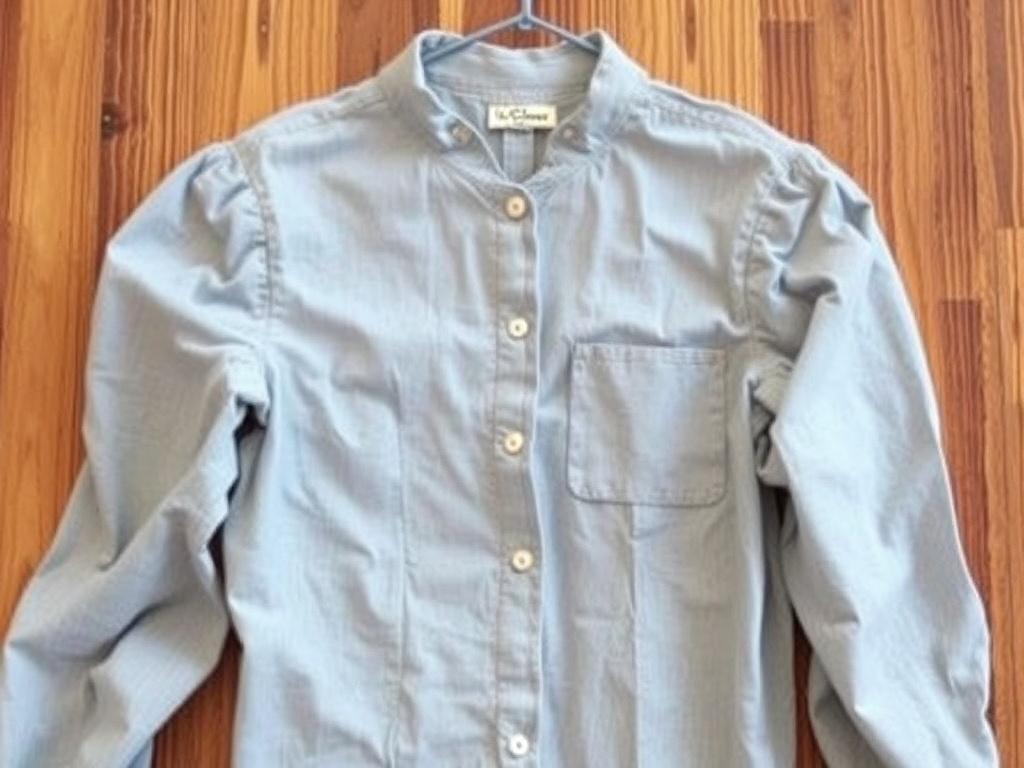
Early in my mending practice, I attempted to invisibly repair an expensive wool blazer without stabilizing the lining. The result was a puckered lapel and a lesson about backing and seam allowance. I had to undo the repair and start again, which taught me patience and the importance of proper preparation.
Conversely, adding visible sashiko to a canvas tote completely transformed it from utilitarian to beloved; the reinforced bottom now looks intentional and has stopped fraying. Those contrasting outcomes taught me when to be humble and when to play boldly with mending.
Over time I learned to match the method to the garment’s role: invisible for tailored or formal wear, visible for everyday pieces that benefit from reinforcement and character. That practical rule saved many garments and reduced repair anxiety.
Final thoughts on everyday mending
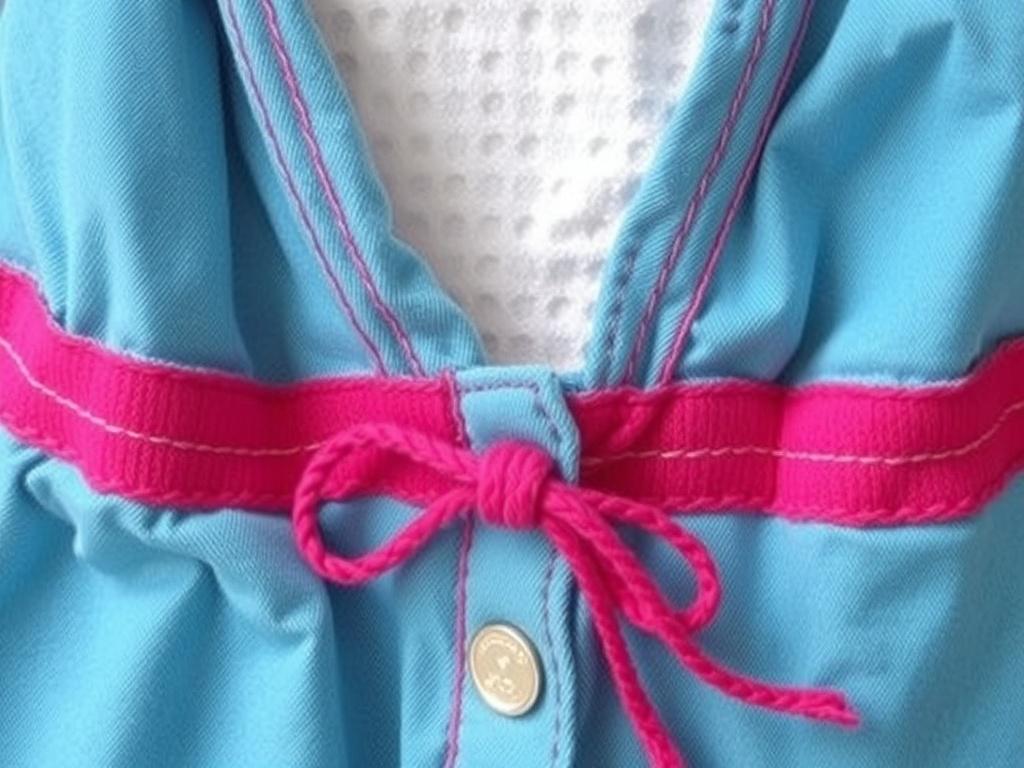
Mending clothes blends craft, problem-solving, and stewardship. Whether you choose invisible techniques to preserve the original look or visible methods to celebrate repair, the act itself reconnects you to the life cycle of clothing.
Start small, build a simple kit, and practice regularly. Each successful mend is a small victory for sustainability and personal style, and over time these habits change how you relate to your wardrobe.
Repairing and mending clothes: visible and invisible techniques offers many paths—choose the one that fits the garment and your values, and enjoy the quiet satisfaction of making things last.