Handmade pieces carry the hands and stories of the person who made them, and they deserve care that honors that craft. This guide walks you through practical, material-specific, and everyday strategies to keep your handmade goods looking and performing their best for years. Read on for tested tips, gentle cleaning methods, storage plans, and repair approaches that protect both value and sentiment.
Why thoughtful care matters
Handmade items are often made in small batches, with attention to detail that mass-produced goods can’t mimic. That attention can mean unique materials, nonstandard finishes, and construction methods that respond differently to wear and care.
Proper maintenance preserves the piece’s appearance and the maker’s intent, and it extends usable life, reducing waste. Caring well for an item also protects any emotional or financial investment tied to it, whether it’s a one-of-a-kind quilt or a small-batch silver ring.
Know your materials: the first step to proper care
Before any cleaning or storage decision, identify the materials and finishes involved. Natural fibers, metals, woods, leathers, glazes, and mixed-media assemblies all behave differently when exposed to moisture, heat, light, or chemicals.
When in doubt, treat the piece as delicate. A conservative approach—small tests, gentle methods, and slow progression to tougher treatments—keeps you from accidentally damaging a handmade item beyond repair.
Textiles: natural versus synthetic
Natural fibers like cotton, linen, wool, silk, and hemp require different handling than synthetic fibers such as polyester or nylon. Naturals breathe, can shrink, and sometimes felt or fade; synthetics resist water but can melt or retain odors.
Handmade textiles often combine fibers, use natural dyes, or include delicate stitching and trims. That complexity calls for careful inspection of seams, trims, embroidery, and any interfacing before washing or steaming.
Metals and plated finishes
Jewelry and hardware crafted from silver, copper, brass, or gold will tarnish, patinate, or corrode depending on the environment and contact with acids or salts. Plated pieces require extra caution since aggressive polishing can remove the plating layer.
Simple daily precautions—remove jewelry before swimming, sweating heavily, or applying lotions—go a long way. For cleaning, gentle non-abrasive polishes and soft cloths are usually the best starting point.
Wood and unfinished finishes
Wood can be finished with oils, waxes, lacquers, or left raw; each finish changes cleaning and storage techniques. Raw wood is porous and can stain or warp if exposed to moisture, while lacquered pieces are more water-resistant but scratch-prone.
Regular dusting, keeping wood out of direct sunlight and away from extreme humidity swings, and occasional re-oiling or waxing will protect handcrafted wooden items. Test cleaning products in an inconspicuous area first.
Leather, suede, and exotic skins
Leather needs conditioning to stay supple; neglect leads to drying and cracking. Suede and nubuck are more sensitive and can’t be oiled the same way—special brushes and erasers are preferable for spot cleaning.
Identify if the leather is finished, aniline, or waxed before selecting a product. For handmade leather goods with decorative stitching, avoid soaking seams and use targeted spot-cleaning instead.
Ceramics, glass, and glazes
Ceramic and glass items can be deceptively fragile: glazes may craze, fired finishes can be porous, and painted surfaces might be water-soluble. Thermal shock—rapid temperature change—can cause cracks or crazing.
Clean gently with warm water and mild soap, avoid sudden oven-to-cold transitions, and use padded surfaces when storing to prevent chipping. If an item is signed or has metallic detailing, take extra care during cleaning.
Mixed-media and assembled works
Many handmade pieces combine several materials—textile with metal accents, wood with inlays, or ceramics with leather cord. Each component might need a different approach, and one aggressive treatment can ruin the whole object.
Address each material component separately and work from the least invasive method to more intensive ones. When impossible to segregate materials, consult the maker or a conservator for guidance.
Cleaning basics: principles that apply to every piece
Clean slowly and intentionally. Begin with inspection under good light to note stains, weak seams, or loose attachments, and perform a small spot test in an area that’s hidden or unobtrusive.
Use the mildest effective method first: dusting, gentle vacuuming, or a soft damp cloth. Escalate only if needed, and document any action you take so you can reverse it or learn what worked for future care.
Tools and supplies you’ll reach for most
Stock gentle, multipurpose items: a soft natural-bristle brush, microfibre cloths, distilled water, mild pH-neutral detergent, cotton swabs, and a small handheld vacuum with a brush attachment. These basics handle most surface dirt safely.
For more specific jobs, keep a suede brush, brass polish for non-plated metals, sewing kit for thread repairs, leather conditioner, and acid-free tissue for packing. Invest in a small moth trap if you store textiles long-term.
Spot testing and patch cleaning
Spot testing prevents surprises. Apply a tiny amount of cleaner to a hidden spot, wait until it dries, and inspect for color change, texture change, or residue. If there’s any adverse reaction, stop immediately and reassess.
When cleaning a visible stain, work outward from the edge to avoid spreading it. Blot rather than rub to lift stains, and use fresh material—clean cloths and water—for each pass to prevent re-depositing dirt.
Washing textiles: what to do and what to avoid
Decide between hand-washing and machine washing based on fiber, construction, and adornments. Hand-wash delicate, beaded, or loosely stitched items; use a mesh laundry bag and gentle cycle for sturdier handmade clothing.
Always use cool or lukewarm water unless the maker specifies otherwise. Hot water can set dyes, shrink fibers, or relax certain finishes in ways that are hard to reverse.
Step-by-step hand-wash method
Fill a basin with cool water and a small amount of mild detergent, such as a wool wash for protein fibers or a gentle baby shampoo for mixed fabrics. Submerge and gently press the item—avoid twisting or wringing.
Rinse gently with cool water until suds run clear. Roll the textile in a clean towel to absorb excess moisture, then lay flat on a drying rack or towel away from direct heat or sunlight to reshape as it dries.
Machine-wash guidelines
When machine washing is safe, turn garments inside out, use a mesh bag for small pieces, and select a gentle or hand-wash cycle. Use cold water and a short spin to limit agitation and stretching.
Avoid high-heat dry cycles for handmade textiles; air drying preserves shape and slows fiber breakdown. If a dryer is necessary, use the lowest heat setting and remove items while slightly damp to finish air drying flat.
Stain removal: targeted techniques
Different stains need different treatments: oil-based stains respond to absorbents and mild degreasers, protein stains like blood react to cold water, and tannin stains such as coffee benefit from alkaline cleaners if the dye is stable.
Always identify the stain and the fiber before applying a treatment. For heirloom or expensive handmade textiles, seek professional textile conservation for stubborn stains that could be worsened by home methods.
Storage: preserving structure and color

Storage is as important as active care. Keep items in cool, dry, and dark conditions to slow fading, yellowing, and material degradation. Sunlight and fluorescent lighting accelerate color loss and weaken fibers over time.
Use breathable containers—cotton bags, acid-free boxes, and wrapped tissue—rather than plastic, which can trap moisture and promote mold. For long-term storage, include a silica gel pack to buffer humidity changes.
How to fold and pad textiles
Fold textiles on their natural seams when possible and pad fold lines with acid-free tissue to prevent permanent creases. For quilts, roll onto a tube covered in acid-free paper to avoid fold stress.
Avoid stacking heavy objects on top of delicate fabrics. Rotate stored textiles periodically to even out any potential pressure points or color shifts from residual light exposure.
Pest control and humidity management
Moths and carpet beetles are the usual textile enemies; keep storage areas clean and consider pheromone traps for detection. Cedar can deter some pests but may stain the fabric; use sealed cedar blocks or bags with a barrier layer.
Keep humidity stable—ideally between 40 and 50 percent—to limit mold and prevent leather drying. A small dehumidifier in humid climates or hygrometers in storage spaces helps you monitor conditions accurately.
Handling wearable items: jewelry and clothing care
Wearable handmade goods need daily habits that reduce damage: put jewelry on last after applying perfumes and creams, take scarves off before eating, and remove hand-crafted rings before doing heavy work.
Rotate pieces to avoid constant strain on a single item and keep delicate jewelry in soft pouches to prevent chain tangles and surface scratches. Treat embroidered or embellished garments gently when dressing—unhook closures carefully and avoid pulling on ornamentation.
Repair and maintenance: DIY tips and when to call a pro
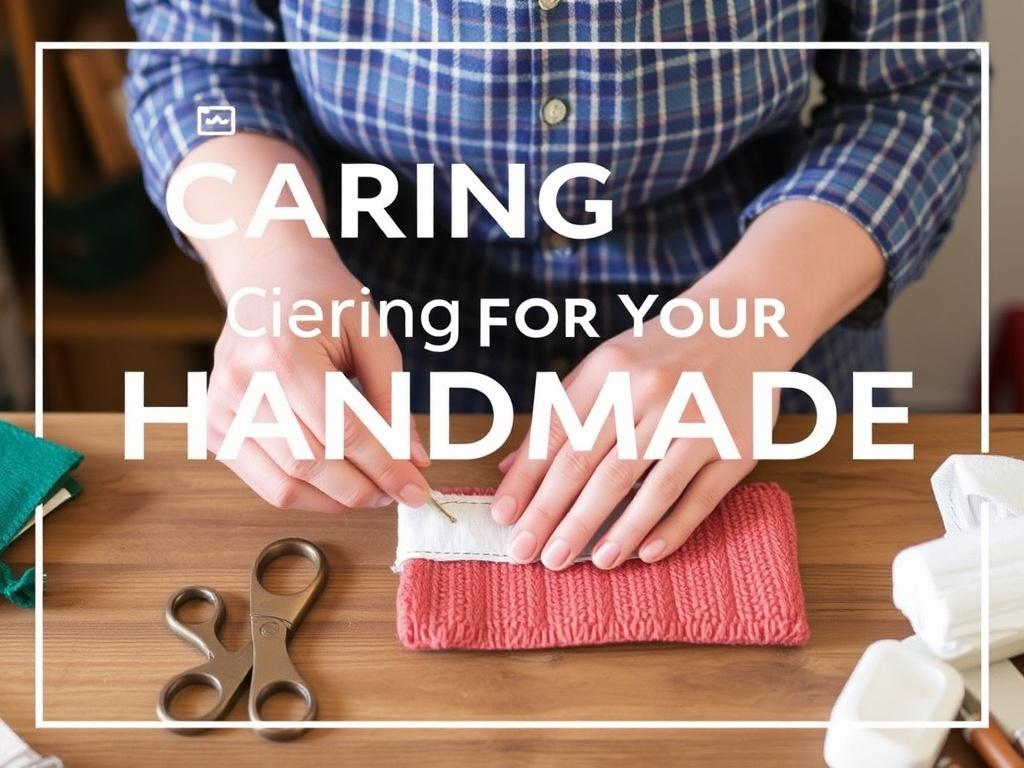
Small repairs like restitching a seam, replacing a button, or reattaching a clasp are often manageable at home with basic tools and patience. Use matching thread and conservatively sized needles to preserve the original look.
For structural breaks in ceramics, cracked wood joints, complex patinas, or valuable metals, consult a conservator or experienced repairer. Improper gluing or amateur brazing can make professional restoration much harder and more expensive.
Matching materials and techniques
When repairing, try to match the original materials and construction techniques. For example, use linen thread for period quilts, waxed thread for leatherwork, and reversible adhesive methods where possible so future caretakers can undo or redo the repair.
Document your repairs with photos and notes—what you used and why—so that future owners or conservators understand past interventions and can continue appropriate care.
Displaying and hanging handmade pieces safely
Display adds joy but also risk. Use UV-filtering glass for framed textiles and artworks where possible, and avoid direct sunlight for any dyed or painted surfaces. For heavy objects, secure mounts to structural parts of the wall, not just drywall.
Soft mounting methods—padded hooks, museum wax for small objects, or custom cradles for ceramics—distribute weight and reduce pressure points. Replace or reinforce hanging hardware if you see stress or failure beginning.
Packing and shipping handmade items
Packaging protects value and reputation when sending handmade items to customers or loved ones. Use clean, acid-free tissue against surfaces, bubble wrap for fragile parts, and a sturdy outer box with void fill to limit movement.
Label “Fragile” and include clear orientation markings for delicate items. If sending internationally, be clear about materials on customs forms—some organic or antiqued goods require permits or face import restrictions.
Labeling and providing care instructions with your items
If you create handmade goods to sell or gift, include a simple, durable care card that explains material composition, cleaning steps, and warnings. Clear care instructions improve longevity and reduce returns or customer disappointment.
Use language that an average person can follow—short steps, recommended products, and what to avoid. Consider printing on recycled card stock or including a digital care page linked by QR code to reduce paper use.
Seasonal care: adapting to the year’s cycles
Seasonal changes affect materials differently: humidity rises in summer, cold in winter can dry leather and make finishes brittle, and spring pollen can stick to fibers. Adjust storage and maintenance routines with the seasons.
In humid months, keep textiles elevated and use moisture absorbers. In drier seasons, condition leather more frequently. Periodically air out stored items when conditions are stable and pest risk is low.
Tools and a basic care kit to keep nearby
Build a compact kit with essentials: microfibre cloths, a small soft-bristle brush, cotton gloves for handling delicate pieces, acid-free tissue, a needle and thread set, a suede brush, and a mild detergent. Keep it accessible near display or storage areas.
For jewelry and metalwork, add a polishing cloth and a small ultrasonic cleaner if you frequently care for durable, non-porous metals. Label each tool and store chemicals separately in a cool, ventilated place.
Sustainability: eco-friendly care choices
Choose biodegradable, low-toxicity cleaners, and limit single-use plastics in storage. Reuse acid-free boxes and tissue where possible, and repair rather than replace—repair reduces waste and preserves the maker’s work.
When possible, teach customers and recipients how to refresh items themselves instead of discarding them, and consider offering repair services or lifetime care tips as part of your maker practice.
Troubleshooting common problems
Mold: move item to dry air immediately, brush off loose spores outdoors, then clean with a mild detergent or a diluted alcohol solution depending on the material. For valuable pieces, consult a conservator to avoid water damage.
Tarnish: clean gently with a soft cloth and an appropriate polish for the metal. Avoid abrasive cleaners, especially on plated pieces; use a mild soap for plated items and consult the maker before chemical treatments.
Cracking or splitting finishes: for wood and leather, gradual reconditioning with appropriate oils or waxes can arrest further damage. For structural cracking in ceramics or glass, professional restoration is often the safest path.
Color transfer and dye bleeding: avoid laundering with heat, and set colors where possible with dye fixatives recommended for the fiber. If transfer occurs on another surface, work quickly with blotting and mild detergents, and consult professionals for delicate fabrics.
Insurance, appraisal, and documenting value
For high-value handmade items, photograph them thoroughly and keep purchase receipts, maker documentation, and any appraisals in a safe place. This helps with insurance claims and provenance tracking if you sell or bequeath items later.
Regular appraisals for items that appreciate, like fine jewelry or artist-made furniture, can help you decide on storage, insurance levels, and appropriate conservation measures.
Teaching care to customers or recipients
If you make and gift or sell handmade items, include clear, friendly care guidance. Demonstrate basic routines in person when possible, and offer written or digital instructions for future reference.
Educating owners reduces accidental damage and builds trust in your craftsmanship. It also extends the life of the piece and fosters appreciation for the time and skill behind it.
Case studies from personal experience
I once inherited a hand-stitched quilt that was smoky, faded, and folded into a plastic bin—classic storage mistakes. After careful vacuuming through a fine mesh screen and a slow airing in shade over several weeks, the quilt’s fibers relaxed and its colors brightened; targeted re-stitching reinforced weakened seams.
Another time, a small silver pendant arrived tarnished and with a worn plating. I advised gentle polishing with a soft cloth and storing it in an anti-tarnish pouch; for the owner, I replaced the thin chain so the pendant sat more comfortably and avoided repeated friction that had earlier accelerated wear.
When to seek professional conservation
Consider professional help for items with significant monetary or sentimental value, complex materials, or historical importance. Conservators can stabilize weak fabrics, desalinate ceramics, and address chemical degradation that home care cannot safely manage.
If a treatment might change color, remove an original finish, or involve heat or solvents, pause and consult a professional. A conservator’s assessment will prevent irreversible errors and often preserve the maker’s intent better than well-meaning amateur fixes.
Communicating care with future generations
Handmade items often outlast the people who cherish them. Leave a simple care manual—photographs, materials lists, cleaning history, and repair records—with any piece you pass on. This legacy information keeps the item usable and meaningful.
Include the maker’s story if you can: inspiration, techniques used, and any known limitations in the piece’s construction. That context helps future caretakers make informed choices about use and conservation.
Final tips and daily habits that protect value
Adopt small daily habits: remove items before you sleep, hang garments properly, wipe down work surfaces, and check storage periodically. These small acts accumulate into significant longevity for handmade goods.
Keep a simple inventory with dates of cleaning and any repairs. It’s practical, and this record becomes invaluable if you later decide to sell, insure, or professionally conserve an item.
Handmade items reward attention and curiosity. Handle them with thought, clean them with restraint, and store them with care—and they will continue to carry the hands, time, and stories of their makers into your daily life. With careful routines, the patina and character that develop will be a testimony to use and care, not neglect.