
Wood burning for Beginners: Personalizing Your Crafts opens a doorway into a tactile, quiet kind of creativity that rewards patience and curiosity. The craft—also called pyrography—lets you turn plain wood into something that looks handwritten by fire, a process that is both hypnotic and satisfying. Whether you want to mark a cutting board with a family name, add texture to a wooden box, or explore detailed portraits, the basics are accessible and the possibilities expand with practice.
Why wood burning is a craft worth learning
Wood burning combines drawing, carpentry, and a bit of chemistry, so it appeals to many different instincts at once: the need to make, to decorate, and to problem-solve. You don’t need a large studio or an expensive setup to get started; a small, inexpensive pyrography pen and some scrap boards are enough to begin exploring. The technique builds confidence quickly because progress is visible and durable—burn marks are permanent, tactile, and age gracefully.
Beyond the technical perks, wood burning carries emotional value. A personalized wooden spoon, a coaster set with a pet portrait, or a memorial plaque has a warmth that store-bought items rarely match. That human touch matters when you’re making gifts or heirloom pieces, and it’s why so many beginners end up making dozens of items for friends and family. The work is portable, meditative, and often social: swap tips, patterns, or tools with someone else and your practice accelerates.
Finally, pyrography can be a stepping stone to other crafts. Learning to control heat and pressure translates to better woodcarving, staining, and mixed-media projects. The discipline of planning a design, transferring it, and finishing the surface teaches practical design thinking that applies beyond wood alone.
The tools you need
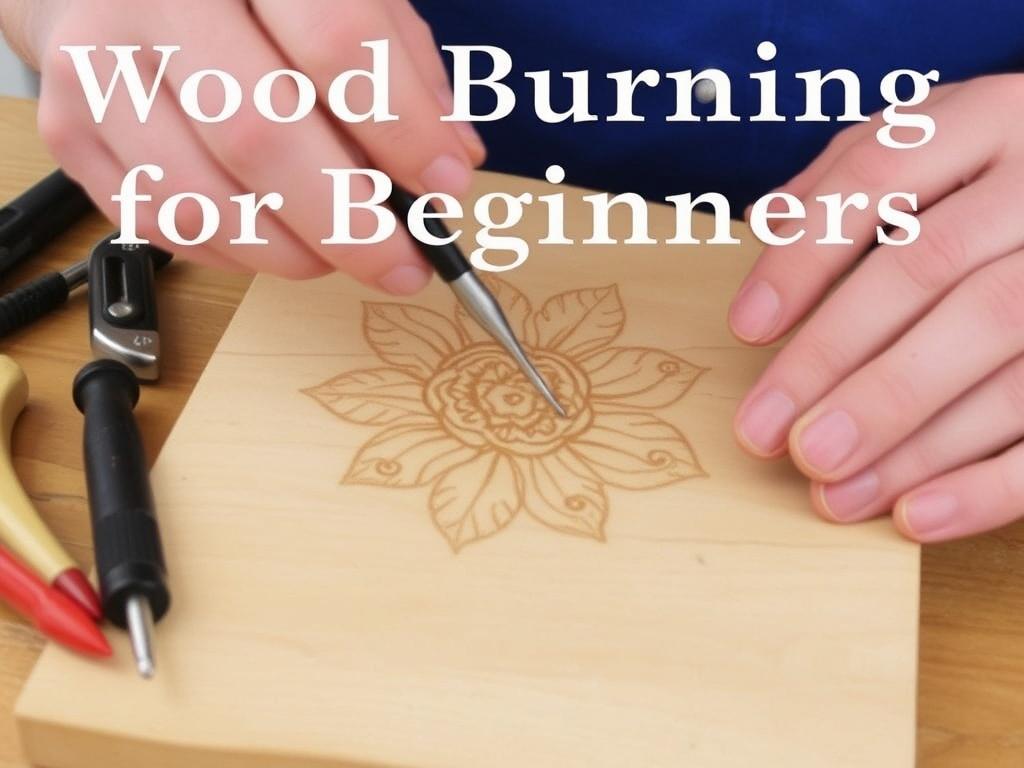
Starting with the right tools reduces frustration and speeds learning. At its core, wood burning requires three things: a heat source, a selection of tips for that heat source, and suitable wood. Beyond these, a few accessories—graphite transfer paper, clamps, a sanding block, and a simple finish—make the process cleaner and more professional-looking. Investing in a reliable kit pays off; inexpensive pens can be inconsistent with temperature and tip fit, which complicates technique.
Below is a concise comparison of common pyrography tools to help pick the right setup for your goals. Choose based on comfort, budget, and the level of control you want over heat and tip variety.
| Tool | Best for | Pros | Cons |
|---|---|---|---|
| Battery-operated pens | Absolute beginners, portability | Lightweight, inexpensive, easy to use | Limited heat control, fewer tip options |
| Variable-temperature pens | Hobbyists seeking control | Adjustable heat, wide tip compatibility | Higher cost, needs steady power |
| Solid-block burners | Traditional pyrographers, fine shading | Excellent tip-to-wood heat transfer, consistent | Slower warm-up, heavier, pricier |
| High-end soldering-style units | Professionals, intricate work | Precise temperature control, durable | Costly, learning curve |
Also consider these accessories: a heat-safe stand for your pen, extra tips (calligraphy, shader, dot, and knife tips are useful), small files for tip maintenance, and a small fan or fume extractor if you’ll be working indoors frequently. Quality tips perform better and last longer; cheap tips may deform or oxidize quickly, changing heat behavior.
Choosing your first pyrography pen
For most beginners I recommend a variable-temperature pen with interchangeable tips. It balances ease of use and flexibility, allowing you to experiment with different marks as you progress. This type of pen makes learning shading and line control easier because you can dial the heat up or down rather than guessing with a battery model.
When shopping, hold the pen to test grip comfort and check that the cord reaches your workspace. A heavy or awkward pen will make long sessions tiring and harm your control. Look for a brand with available replacement tips and a clear temperature range printed on the unit.
Choosing the right wood
Your choice of wood affects color, grain interaction, and how forgiving a surface will be when you make mistakes. Softwoods like basswood, pine, and poplar burn quickly and are inexpensive for practice. Hardwood species such as maple, cherry, and birch offer finer grain and a more sophisticated finished look but demand steadier hands and slower, more controlled heat. For portraits and detailed line work, choose light, tight-grain woods like basswood or birch plywood.
Avoid woods that are highly resinous, like cedar or certain pines, because they can emit strong odors and toxic fumes when burned. Also steer clear of pressure-treated lumber, plywood with unknown glue composition, and any wood with paint, stain, or chemical residues. Use only clean, unfinished, dry wood for best results and safety.
Try a scrap board sampler: acquire small pieces of several species and practice the same strokes on each. You’ll learn how grain direction changes texture, which woods accept fine lines without feathering, and which ones respond best to shading. Keep those test pieces as a reference guide in your workspace.
Setting up your workspace and safety

Good setup is as important as technique. Work at a stable table with a heat-resistant mat or scrap board underneath your project. A well-lit area—natural light or a daylight-balanced lamp—reduces eye strain and helps you see subtle contrasts in burn depth. Keep your workspace organized so you can focus on control instead of hunting for tools.
Ventilation matters. Burning wood releases particulates and volatile organic compounds, especially from certain species and finishes. Open a window, use a small fan to direct air away from your face, or add a tabletop fume extractor if you plan to burn frequently indoors. For occasional indoor work, a simple USB-powered extractor greatly improves comfort.
Safety equipment should always be at hand. A basic checklist includes a heat-resistant glove, an eye-protection option if you’re sanding nearby, a fire extinguisher rated for small indoor fires, and a first-aid kit. Never leave a warm or hot pen unattended; treat the tip with the same respect you would a small soldering iron. Keep flammable materials—paper, fabrics, solvents—well away from the immediate area.
When the project is complete, allow the pen to cool fully before changing tips or storing it. Some tips remain hot long after the unit is unplugged. Create a cool-down zone: a ceramic tile or a small metal tray where the pen can rest should you need a short pause in your session. This reduces accidental burns and accidental ignition of nearby materials.
Basic techniques and practice exercises
Begin with simple lines and dots to gain feel for the pen’s heat and the wood’s response. Start with a low temperature and gradually increase until the mark becomes steady and consistent, then stop before the wood chars excessively. Practice drawing straight lines, curved lines, and dots across a scrap board, varying pressure and speed to see the effects.
Three fundamental strokes to master early are the hairline, the bold stroke, and the dot. A hairline requires light pressure and steady motion at a lower heat; a bold stroke uses slightly more pressure or slower movement to deepen the burn; dots come from holding the tip in place briefly to create a round mark. As you practice, you’ll learn to combine those strokes to form letters, outlines, and texture.
Structured practice helps. Spend dedicated sessions like “20 minutes of straight lines,” “20 minutes of circles and spirals,” and “20 minutes of shading gradients.” Keep a practice journal where you note temperature settings, tip type, wood species, and what each attempt taught you. This quick reference saves time when you try to reproduce a specific effect later.
Use warm-up marks on the edge of your piece before starting the main design. That calibrates your hand and the pen’s heat while preventing early mistakes on the main surface. Over time those warm-up moments become part of your ritual—small acts of habit that improve consistency.
Practice project: a simple coaster set
A coaster set is a compact, forgiving first project. Choose 4-6 identical squares of birch or basswood, sand them flat, and plan a simple motif like concentric circles, a botanical sketch, or a monogram. Work on one coaster at a time, transferring a basic guide lightly in pencil before burning. The repetition helps build muscle memory and gives you a coherent set to show or gift.
Finish by lightly sanding the edges and applying a food-safe oil or satin polyurethane if the coasters might touch drinks. Label each coaster’s back with the wood type and date—this creates a record of your early work to look back on as your skill matures.
Transferring designs and working with stencils
Transferring designs accurately lets you focus on burning rather than drawing. Traditional methods include graphite transfer paper, carbon paper, or tracing your design with a lightbox. A simple trick is to print the design, shade the back with a soft pencil, tape it in place on the wood, and retrace the lines firmly to transfer them. The transferred line should be faint—just enough to guide the tip without interfering with shading.
Stencils and masks speed repetition and lend crisp edges to geometric designs. You can cut stencils from cardstock or plastic using a craft knife or a cutting machine. Apply the stencil, burn the exposed areas carefully, and remove the mask while the wood is cool. For multi-layer designs, plan the sequence so you burn the deepest or darkest elements first and build outward to lighter details.
Hand-drawn designs have a warm, unique quality that many beginners treasure. If you prefer freehand, warm up with small practice marks and allow imperfections to become part of the piece’s character. A combination approach—stencil the bold outlines, freehand the textures—often yields the most pleasing results.
Shading, line work, and texture
Shading is the technique that moves pyrography from illustration into the realm of tonal realism. Create gradients by varying speed and heat: slower movement at moderate heat produces darker tones, while quicker sweeps at lower heat provide subtle transitions. Practice hatching and cross-hatching first, then develop smoother gradients by blending strokes—overlap slightly and adjust heat as needed for smooth transitions.
Line quality matters. Consistent pressure and wrist movement produce clean lines, but varying pressure on purpose adds expression. A thin, precise line might define a leaf edge, while a heavier, textured line can suggest bark. Learn to change tip orientation slightly to alter the stroke width without changing tips mid-line.
Texture transforms flat surfaces into believable materials. For wood grain, study real wood closely: short, slightly varied strokes create irregularity; small knots can be suggested with circular burns and delicate highlights left unburned. For fabric or fur, layer short patterned strokes and use directional flow to suggest movement. Don’t try to copy photographic texture exactly—interpretation and selective detail give life to a piece.
One advanced trick is using different tips for companion effects: a shader tip for smooth shaded areas, a pointed tip for fine lines, and a knife tip for sharp edges. Switching systematically—outline, then midtones, then fine details—keeps the workflow efficient and predictable.
Finishing, sealing, and preserving your pieces
Finishes protect your work and enhance the visual depth of burns. For purely decorative pieces, a light coat of clear satin polyurethane or acrylic sealer brings out contrast and offers durability. For items that contact food—cutting boards, spoons, bowls—use food-safe finishes like mineral oil, beeswax blends, or food-grade walnut oil applied in thin layers and buffed.
Apply finish sparingly; too much can darken burn marks unevenly or obscure delicate texture. Test finishes on a scrap sample first to ensure the look meets your expectation. Some sealers highlight the burned areas more dramatically, so the same piece can appear quite different after finishing.
Edge treatment matters for usability. Round or sand edges smoothly to make handheld items comfortable. For wall art, add hanging hardware and consider a thin frame or routed edge for a polished presentation. Label the back with care instructions if you expect others to use the item.
Personalizing projects—ideas and prompts
Personalization makes wood burning uniquely rewarding because it turns generic items into something with a story. Start small: initials on a leather key fob-like wooden tag, a favorite quote on a bookmark, or a skyline silhouette on a keepsake box. Small scale keeps risk low and gratification high.
Gift ideas expand quickly: recipe spoons engraved with the giver’s name, a family tree on a wooden plaque, custom ornaments for holidays, or a child’s name with playful animal motifs on a toy box lid. Consider the recipient’s daily life—do they love coffee, gardening, or cooking? Tailor motifs to those habits so the piece integrates into routines.
I remember my first personalized piece: a shallow tray with three birds and the family name burned in a casual script. I nervously handed it over at a small birthday party and watched the recipient trace the burned letters with a fingertip, smiling. That quiet moment—someone appreciating the texture and imperfection—cemented why I kept burning wood long after the initial hobby phase.
If you sell items, add a small story card: explain the wood type, the finish used, and a short note about the inspiration. Buyers love context, and a handwritten card increases perceived value instantly. Personalization is not just about graphics; it’s about narrative and connection.
Troubleshooting common problems
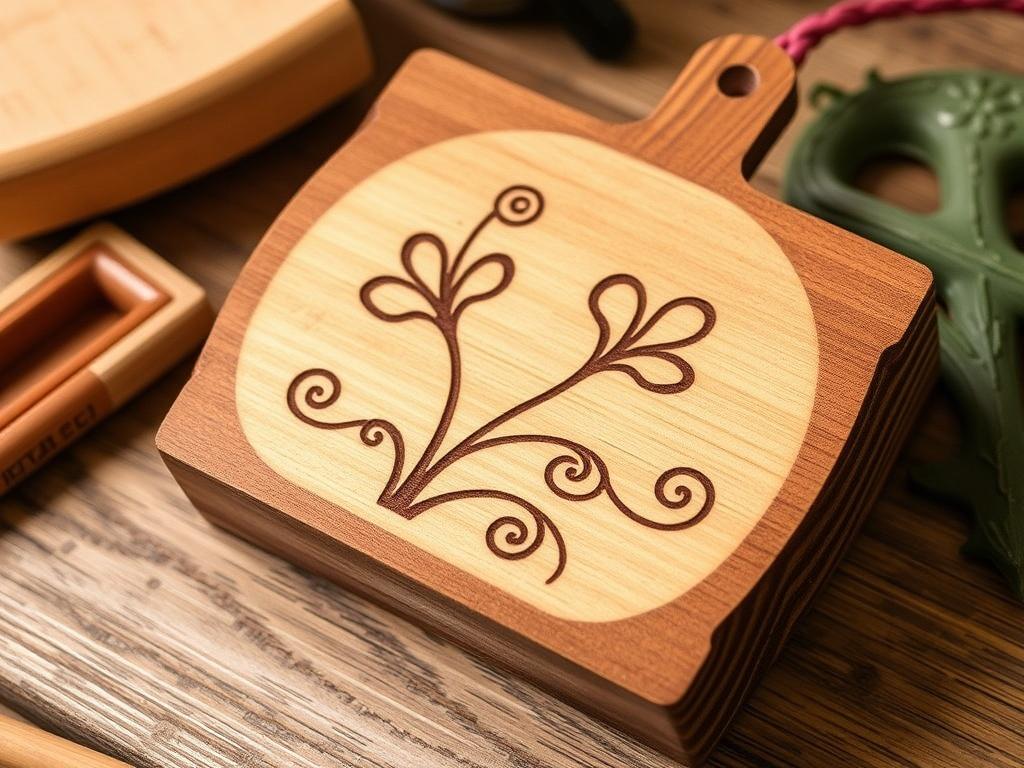
Don’t let early setbacks discourage you. A few predictable issues recur among beginners: wandering lines, inconsistent burns, and unintended charred areas. Wandering lines often result from gripping the pen too tightly or moving your arm instead of your wrist. Relax the hand, rest your pinky on the wood for stability, and practice short controlled strokes.
Inconsistent burns typically trace back to temperature or tip issues. Verify the tip fits snugly and the pen reaches its set temperature before touching the wood. If the pen seems to lose heat mid-stroke, check the power cord and consider replacing the tip; oxidation can reduce heat transfer. Keep a small rag and a little fine-grit sandpaper for light tip cleaning between sessions.
Charred surfaces usually mean too much heat or lingering on one spot. Move steadily, lift the pen occasionally to break contact for a fraction of a second, and use lower temperature settings for detail work. When a burn goes too dark, gently sand the area with fine paper and treat it as a new surface to redo the design—sometimes a mistake becomes a compositional change that improves the piece.
Caring for your tools and maintenance
Regular maintenance extends the life of your pen and keeps performance consistent. After each session, allow the unit to cool and store it in a dry place. Clean tips with fine steel wool or a brass brush to remove carbon buildup, and avoid aggressive filing unless you know what you’re doing—reshaping tips can alter their heat behavior.
Replace tips when they warp or refuse to make clean marks. Keep spares on hand; the difference in performance between a fresh tip and a heavily oxidized one is dramatic. Also check cords for fraying and connections for signs of overheating. A well-cared-for tool behaves predictably, which is essential as you attempt finer work.
Calibrate your station periodically by burning small test squares at different temperatures and noting the results. Over time, a unit’s temperature controls can drift or feel different, and a reference chart keeps your settings reproducible. I keep three labeled scrap pieces on a small board: “Low,” “Med,” and “High” as quick reminders of what each setting produces on that wood species.
Turning projects into gifts or products
If you plan to give or sell your work, presentation and consistency matter. Standardize sizes for production items like coasters, keychains, or ornaments so finishing and packaging are efficient. Keep a few pre-cut blanks ready to speed production and avoid losing momentum when an order or idea appears.
Pricing combines time, materials, and perceived value. Calculate direct costs—wood, finish, and tools amortized over their usable life—then add labor at a fair hourly rate and a markup for creative value. Compare similar items in boutiques or online marketplaces to gauge market rates and adjust for your skill level and uniqueness.
Packaging can elevate a simple piece. Use kraft boxes, tissue paper, and a stamped or handwritten tag that reiterates the personalization. Small touches—like a short care instruction card—reduce customer questions and create a repeatable, professional experience that supports higher prices.
Developing your style and next steps
Your style will emerge from consistent practice, experimentation, and influences you choose to study. Keep a folder or digital gallery of work you admire—illustrators, tattoo artists, and woodworkers all offer cues you can adapt. Over time you’ll notice recurring motifs or ways you treat line and shadow that become your signature.
Expand by learning related techniques: combining staining with burning, inlaying metal or resin into burned grooves, or mixing paint with burned surfaces for contrast. These experiments broaden your toolkit and give you more options for personalizing projects. Join a local makerspace or online community where critiques and collaborations accelerate growth.
Set small goals: complete a themed series, demonstrate a technique at a craft fair, or teach a short class to friends. Teaching clarifies your thinking and reveals gaps in your process, which is one of the fastest ways to improve. Keep challenging yourself gradually so the craft remains engaging rather than overwhelming.
The first time you lift a polished, personalized wooden object from a bench you built yourself, you’ll recognize the slow, steady satisfaction that keeps people turning to pyrography again and again. Start small, respect safety, and let each burn teach you something new. Over months and years those lessons add up, and your work will carry the quiet signature of time, practice, and hand-made intention.