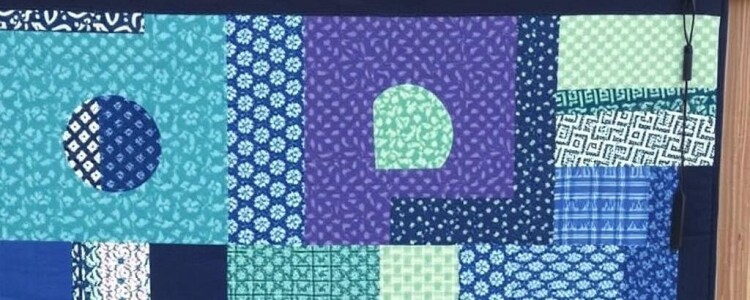
There’s a particular satisfaction in turning a chaotic box of leftover fabric into something that looks like it belonged in a boutique rather than a craft corner. Building a Stylish Fabric Scrap Stash Buster Quilt can feel both thrifty and wildly creative when you have a plan, a few simple techniques, and an eye for balance. This article walks you through every stage—planning, sorting, cutting, piecing, quilting, and finishing—so your scraps become a striking, cohesive quilt instead of a random patchwork.
Why make a stash buster quilt?
Scrap quilts use what you have and reduce waste, which is practical and satisfying. Turning leftovers into useful, beautiful quilts makes every sewing hour feel doubly valuable: you’re making art and clearing space at the same time.
Beyond practicality, scrap quilts tell a story. Each fabric fragment carries memory—an old favorite dress, a sampled home decor project, a bit of a vintage find. Those sewn-together memories create an emotional depth that new yardage can’t replicate.
Start with a clear plan

Jumping straight from stash to sewing often results in a muddled quilt. Spending a little time on planning saves long hours of unpicking later. Think about scale, color relationships, and final size before you cut anything.
Decide on a theme or mood. Are you aiming for a modern, minimalist aesthetic, a cozy scrappy farmhouse look, or something bold and graphic? A clear theme helps you make consistent decisions when faced with dozens of small choices.
Assess your collection
Spread your scraps out and take stock. Group similar fabrics by color family, print type, or value (light, medium, dark) so you can see the natural strengths and gaps in your stash. This is the time to discard tiny, worn pieces and set aside those that still sparkle.
Measure what you have. Record approximate numbers of squares, strips, and yardage in larger pieces. Knowing you have, for example, twenty 6-inch squares or several yards of a deep navy tells you which block styles will work best without heavy fabric-buying trips.
Choosing a color story
A limited palette brings cohesion. Pick three to five dominant colors and let neutrals hold the design together. A small number of recurring hues gives the eye a place to rest and makes your scrap quilt feel curated.
Alternatively, embrace a “rainbow” or high-contrast approach if that suits you. The important part is consistency—repeat color and value patterns across the quilt so fabrics talk to each other rather than fight.
Selecting block style and scale
Block size should reflect both your stash and your sewing comfort. Large blocks showcase big motifs and make construction faster, while small blocks allow more variety and intricate patterns. Mix block sizes if you like dynamic texture, but maintain at least one repeated block to avoid chaos.
Classic block choices—nine-patch, rail fence, log cabin, and crumb blocks—are excellent for irregular scraps. Pick one dominant block and a couple of supporting blocks for variety without complexity.
Tools, materials, and workspace
A reliable set of basic tools makes everything easier. You don’t need an industrial studio, but a few well-chosen items will dramatically improve accuracy and speed. Invest in a good rotary cutter, a stable cutting mat, and a sharp pair of scissors you reserve for fabric.
Organize a comfortable, well-lit workspace. Clear surfaces for cutting, an ironing board close by for pressing, and a table large enough to lay out blocks as you assemble them prevents bottlenecks. The less you move steps around, the calmer the process feels.
Essential tools and materials
Here’s a compact list of tools I use for almost every quilt—scrap or yardage. Keep them nearby to maintain momentum.
- Rotary cutter (45 mm or 60 mm depending on hand comfort)
- Self-healing cutting mat in at least 18″ × 24″
- Quilting rulers (6×12, 8×24 are versatile)
- Sharp sewing machine needles and thread to match/light neutral
- Iron and hard-surfaced ironing board
- Pins, clips, and a seam ripper
Helpful extras
These extras aren’t necessary but speed things up. A small design wall—flannel sheet tacked to a wall—lets you audition blocks. A walking foot helps with piecing layers, and a spray baste works when pin basting is too slow for large quilts.
Consider a small notebook or digital note file to record fabric names, repeat patterns, and measurements as you work. That record keeps the project consistent over multiple sewing sessions.
Cutting and sorting strategies
Cutting scraps efficiently conserves fabric and reduces waste. Start by squaring up odd rectangles and trimming stray seams. Convert irregular shapes into standard sizes—squares, strips, and rectangles—so they can be combined in many ways.
When temperatures or time limit you, cut a large batch of standard units first: 2.5″ strips, 3″ squares, and 6″ squares. These units are incredibly versatile and can be recombined into most block types.
Subcutting and strip sets
Strip piecing is a time-honored shortcut that’s especially useful for scraps. Sew 2.5″ or 3″ strips together into long panels and then cross-cut into units. This technique speeds up creation of rail fence, nine-patch, and many modern blocks.
Don’t be too rigid about color order in strip sets. Deliberate randomness often yields a lively, textured appearance that looks intentional when assembled. Keep seam allowances accurate to ensure final blocks align neatly.
Labeling and storage tips
As you cut, store organized units in labeled containers: zip bags, drawers, or divided boxes. Labels with unit size, count, and color family help when you return to sewing days or weeks later. A clear system prevents repetition and frustration.
Use sticky notes or clipped tags to mark partial sets that need more pieces. When you lay out blocks on your design wall, clip small notes to keep track of their position—this saves rework when moving blocks to the machine.
Design techniques for style and cohesion
Intentional design choices lift a scrap quilt from “mixed leftovers” to artful composition. Employ consistent values, repeating colors, and unifying elements like sashing, negative space, or a neutral background to create cohesion. These techniques channel variety into harmony rather than chaos.
Negative space—areas of plain fabric—offers the eye a rest and makes patterns pop. Consider using a single neutral for sashing or large blocks to ground the design while letting small scraps shine.
Using negative space well
Large swaths of a single fabric can turn a busy scrappy quilt into a modern, gallery-worthy piece. Choose a neutral with character—perhaps a tone-on-tone texture or small print—that reads calm at distance. This gives your eye breathing room and elevates the overall look.
Placement matters: surround highly patterned clusters with neutral sections to avoid overstimulation. Negative space also makes quilting patterns more visible, which is valuable if you plan decorative quilting.
Value, contrast, and rhythm
Value—lightness or darkness—controls readability more than color. Arrange fabrics so contrasts guide the eye along paths you want it to follow. Play with repeated light-dark alternations to create movement and visual rhythm.
Establish a repeating motif or scale to create rhythm. That might be a recurring dark strip, a neutral square at the center of every block, or a row of small star blocks. Rhythm provides predictability in a quilt full of variety.
Sashing, borders, and framing
Sashing separates busy blocks and provides a grid to stabilize the composition. Use narrow sashing for a modern look or wider strips for a more framed, traditional feel. Consider cornerstones—small squares at sashing intersections—for an additional design element.
Quilt borders serve both function and aesthetics: they add final size and complete the design. Pick a border that echoes colors or patterns within the quilt rather than introducing a new, competing element. A single bold border can be a strong visual finishing touch.
Pattern ideas and block recipes
There are countless patterns that work well with scraps. Below are several adaptable recipes that accommodate different scrap sizes and skill levels. Each can be scaled up or down depending on your stash and the final quilt dimensions you want.
Scrappy rail fence
Rail fence requires strips of uniform width and is forgiving of imperfect repeats. Sew three or four strips together into a block, then rotate and assemble into rows. You can vary strip widths for a more organic effect.
- Cut strips 2.5″, 3″, or 4″ wide depending on desired block size.
- Sew three strips right sides together lengthwise; press seams to one side or open.
- Trim to square blocks and arrange into rows, alternating color emphasis as desired.
Log cabin with scrappy logs
A log cabin block starts with a center square and adds “logs” around it. Using varied scrap widths gives a lively, improvised appearance. Aim for approximate uniformity rather than exact identical widths to preserve visual interest.
Choose light and dark sides to create traditional light-center or dark-center effects. The contrast between the two sides helps define the overall pattern when blocks are joined.
Crumb blocks and improv piecing
Crumb quilting is the ultimate scrap burner: tiny pieces are stitched into larger units and trimmed into usable blocks. It’s freeing and often yields dramatic texture. If precision isn’t your priority, this method rewards improvisation.
I like to start crumbs on a small foundation square, layer pieces casually, and sew them down. Once a quilted patch reaches a useful size, trim it and use it like any other block.
Nine-patch and strip-based stars
Nine-patch units are approachable and recycle medium-sized squares and strips efficiently. Combine colorful nine-patches with plain squares for a classic, balanced layout. Alternating busy nine-patches with solid blocks can produce a modern, checkerboard effect.
Stars—made from flying geese or half-square triangles—offer dramatic focal points when built from scraps. Using a consistent background color for star points while varying the fill fabrics creates a series that reads as a cohesive design.
Step-by-step: a sample scrappy quilt plan
This sample plan targets a 60″ × 72″ throw using mostly scraps and a bit of background fabric. It mixes rail fence and nine-patch for variety and takes advantage of standard precut-friendly measures to minimize waste. Adjust sizes to fit your personal stash.
Materials and layout
Materials needed: about 3 yards of background/neutral fabric, 2 yards for backing, 0.5 yard for binding, and assorted scraps equivalent to about 4 yards total. The plan uses 6″ finished rail fence blocks and 9″ finished nine-patches arranged in a grid.
- Cut strips for rail fence: 2.5″ width, various lengths; sew three together to make 6.5″ blocks (finish at 6″).
- Make nine-patches from 2.5″ squares, trimmed to 8.5″ unfinished for a 8″ final block when combined with sashing.
- Arrange blocks into alternating rows: rail fence rows, nine-patch rows, repeat until reaching desired length and width.
Putting it together
Use 1/4″ seams for all piecing and press carefully between steps. Add narrow sashing of the neutral between rows if you want breathing room. Trim block edges square as you go so rows join without surprises.
Finish the top by adding a simple border of the neutral fabric to increase size and frame the design. The neutral border helps unify the mixed fabrics and emphasizes the colorful interior.
Piecing tips and shortcuts
Small tricks speed up piecing and increase precision. Chain piecing—sewing multiple units without cutting thread between them—saves time and keeps momentum. Use a leader and end scrap to stabilize stitch starts and avoid thread tails on your units.
Press seams to one side when you’re working with many pieces of similar weight and want a slightly more stable block. Open seams when reducing bulk or when nesting seams for more accurate intersections.
Seam nesting and matching points
To match corners and points, use the nesting technique: press seams in opposite directions on adjoining pieces so they interlock. Pin at critical intersections, and sew slowly across those areas to ensure accurate alignment. A matching needle-hole mark on a ruler can guide placement.
Trim blocks precisely before final joining. Even small errors accumulate across rows, so square up blocks with a ruler after piecing each block to maintain consistent seam allowances and final dimensions.
Accurate trimming and squaring
A few minutes trimming each block saves hours later. Use a square ruler and trim both sides and corners to the correct dimension. Once blocks are uniform, layout and assembly proceed smoothly and the final quilt lies flat.
If you make a mistake, unpick rather than force misaligned pieces. Unpicking and re-sewing preserves the crisp edges and keeps the quilt from becoming skewed over time.
Quilting and finishing
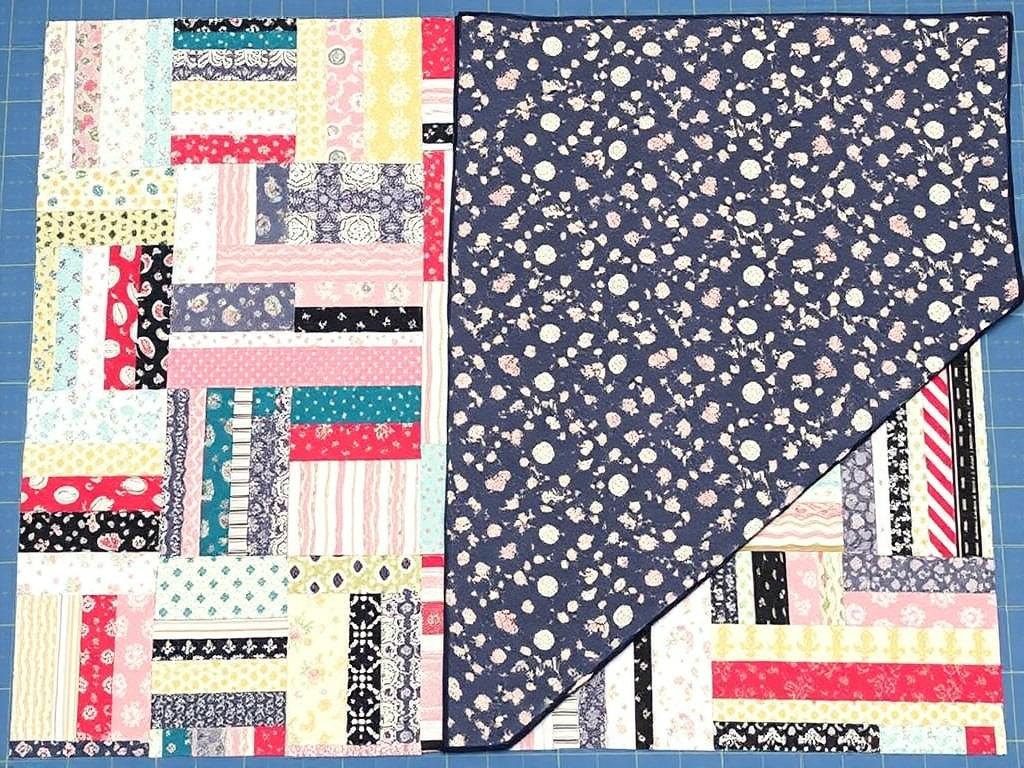
Stretch your creative muscles in the quilting phase. Quilting patterns can complement or contrast with your piecing. Choose quilting that supports the design: straight-line quilting enhances modern geometry, while free-motion adds texture and organic movement.
Think about how dense or sparse you want the quilting to be. Denser quilting offers more structure and durability but can stiffen the quilt. Sparser quilting keeps the quilt soft and drapey but may require more stabilizing in high-use areas.
Basting and safety
Basting secures your layers for quilting. Use safety pins across the quilt lengthwise every 3–4 inches or spray baste for a smoother finish if you prefer not to pin. Work on a large, flat surface to avoid bubbles and shifts while you baste.
If you baste on the floor, clear the area and wear clean socks to avoid transferring dirt. Smooth the backing fabric first, then add batting and quilt top while smoothing each layer from the center outward to minimize puckers.
Quilting styles and machine settings
Straight-line quilting is accessible and modern. Use a walking foot and your machine’s quilting guide or edge of a ruler to keep lines even. Adjust stitch length to suit the look—longer stitches for a relaxed feel, shorter for tighter texture.
Free-motion quilting opens expressive possibilities if you have the skill and equipment. Lower feed dogs and use a darning foot to move the quilt freely under the needle. Practice motifs on scrap sandwich pieces before tackling the full top.
Binding and labeling
Binding finishes a quilt’s edges and is a great place to repeat a color or print from the top. Cut binding strips 2.25″ wide and join them with diagonal seams for stronger joins that lie flat. Attach binding by machine and finish by hand for a neat edge.
Don’t skip the label. Add a small fabric label with your name, date, and a note about the fabrics if they’re special. Labels turn quilts into heirlooms and provide provenance for future generations.
Care, laundering, and longevity
Scrappy quilts can be delicate if made from mixed-age fabrics, so washing practices matter. Wash gently in cool water on a delicate cycle or hand wash if fabrics are unstable. Air drying or low-heat tumble drying reduces stress on seams and fabrics.
Store quilts clean and dry. Avoid plastic bins for long-term storage; instead, use cotton pillowcases or breathable fabric bags. Folding quilts along different lines every few years prevents permanent creases and fiber weakening at fold points.
Repair and refresh
When wear appears, address it promptly. Patch small holes from the back or add a decorative appliqué to cover wear while reinforcing the area. Requilting by hand or machine can revive a loved quilt with thin batting areas or loosening stitches.
Machine reinforcement around high-wear edges helps preserve a frequently used quilt. Invisible mending is possible, but visible repairs—tastefully done—can add to a scrap quilt’s charm and story.
Real-life examples from my studio
In my own stash-busting adventures, a box of curtain samples once became a guest-room throw. The trick was choosing one neutral curtain fabric as a background and treating bold samples as accents. The result looked far more deliberate than the materials suggested.
Another time, a friend gave me a bag of vintage feedsack scraps. I paired them with a muted taupe background and used log cabin blocks to highlight individual prints. The finished quilt felt nostalgic and modern at once—proof that thoughtful pairing can transform eclectic leftovers into something cohesive.
Troubleshooting common problems
Misaligned seams, warped rows, and puckers are common but fixable. When seams don’t match, inspect whether seam allowance drifted; trim and re-sew if necessary. Warped rows often come from uneven pressing—press each seam as you go and square blocks regularly.
Puckers in the quilt top usually result from uneven basting or stretching while sewing. Remove stitches in the affected area, re-baste, and re-sew slowly with plenty of pins or clips. Patience here saves frustration later.
Dealing with color imbalance
If the quilt reads too warm, cool, or heavy on one side, adjust by substituting a few blocks with pieces that counterbalance the imbalance. Sometimes switching a single block for a contrasting value makes the entire top read better.
Use your design wall to step back frequently and view the quilt at arm’s length. This perspective reveals color problems that aren’t obvious up close and allows quick corrections before extensive piecing takes place.
Variations and next projects
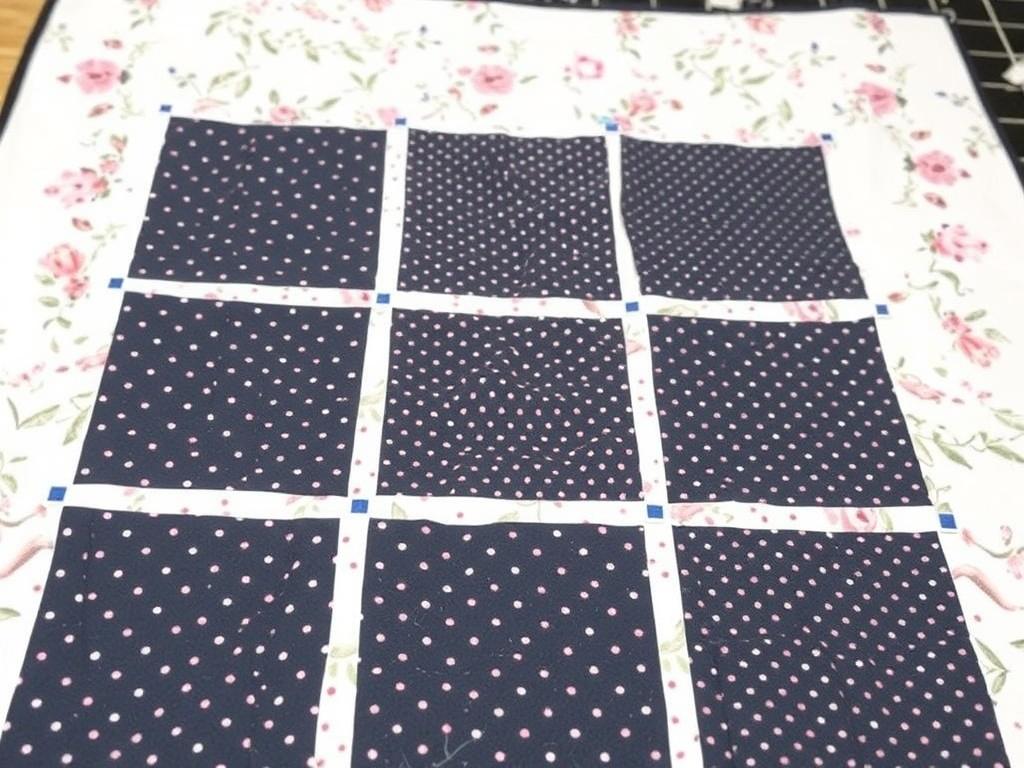
Once you finish a stash buster quilt, consider other formats to use your scraps: pillow covers, table runners, tote bags, or small wall hangings. These smaller projects are great for testing new color combinations or quilting motifs with less risk.
Try a series of coordinated mini-quilts from the same scrap collection for a visually linked set. These mini projects make excellent gifts and help you explore different quilting techniques without committing to a large-scale work.
Wrapping up and getting started
The most important step is simply to begin: sort a portion of your scraps, pick a simple block, and sew a few units. Momentum builds quickly when you turn a small pile into a stack of finished blocks. Before long, you’ll have a quilt that looks intentional and stylish.
With a mix of planning, a few technical shortcuts, and a willingness to play with composition, your leftover fabrics will become a proud, useful piece of work. The next time you open that scrap bin, you’ll see not random odds and ends but a palette ready to tell a story through stitches.