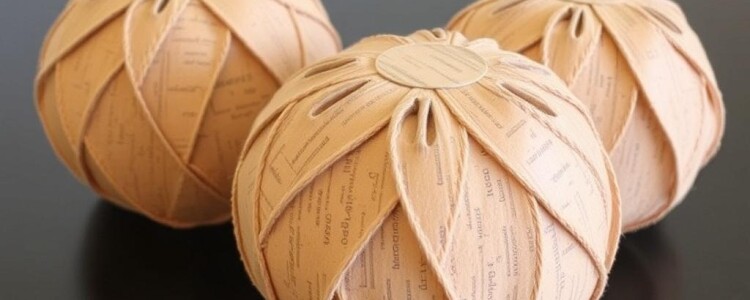
There’s something quietly satisfying about transforming a roll of cork fabric into an object someone will use every day. Cork has a warmth and texture that reads as both modern and handmade, but it’s also one of the planet-friendly materials worth paying attention to. In this article I’ll explore why cork fabric is so appealing, how to work with it, and dozens of project ideas — from beginner-friendly coasters to stylish bags — so you can start making sustainably with confidence.
Why cork fabric matters
Cork comes from the bark of cork oak trees, harvested without cutting the tree down, which makes it a renewable resource. That harvesting cycle and the trees’ ability to sequester carbon give cork environmental advantages over many animal-derived or petroleum-based textiles. The result is a material that is durable, water-resistant, and visually interesting, with a tactile surface that photographs beautifully.
If you’ve avoided leather for ethical reasons or PVC for environmental ones, cork offers a compelling middle ground. It behaves like a textile when backed with fabric, but it carries a low environmental footprint. For makers, that means you can sell or gift items that tell a sustainability story without compromising on aesthetics or function.
What cork fabric is and how it’s made
Cork fabric, sometimes labeled cork leather, starts as thin sheets of cork harvested from the bark of cork oaks. The raw cork is ground and reconstituted into sheets or thin veneers, then bonded to a cloth backing such as cotton, polyester, or a blended knit. This backing gives the material flexibility, prevents cracking, and makes it behave like woven fabric in sewing machines and craft projects.
Some cork fabrics are printed or dyed; others retain a natural mottled look with irregular speckles and grains. Thickness varies, usually between 0.4 mm and 1.2 mm for most craft uses, though you can find thicker upholstery-grade cork for furniture. Knowing the backing type and thickness helps you choose the right needle, thread, and adhesives for your project.
Environmental profile and sustainability considerations
Cork’s sustainability stems from how cork oak forests are managed. Trees are typically harvested every nine to twelve years without felling, allowing them to absorb carbon continuously. These forests also provide habitat for diverse species and help prevent desertification in Mediterranean ecosystems. For makers who care about provenance, these are meaningful advantages over many synthetic alternatives.
Still, not all cork fabrics are created equal. Some use polyester backings that are less eco-friendly; others may be bonded with resins that affect recyclability. If your priority is minimizing environmental impact, look for suppliers who disclose backing materials and adhesives and, when possible, choose corks bonded to natural fibers or recycled textiles.
Properties that make cork fabric ideal for crafting
Cork fabric is lightweight and flexible while offering surprising strength and abrasion resistance. It’s naturally water-repellent and resists staining to a degree, so small spills bead on the surface rather than soaking in. Its insulating properties also make it comfortable to the touch, and it doesn’t develop an odor easily, which is useful for items like wallets or phone cases.
Another practical property is that cork doesn’t fray. When you cut cork backed with cloth, the edge stays tidy without needing to finish seams like woven fabric. This can simplify construction and make for clean designs — but it also means you need to be precise with cuts because you can’t rely on seam allowances behaving the same way as with textiles.
Tools and supplies you’ll need
Working with cork fabric requires only a few specialized adjustments to the tools most sewers already own. A rotary cutter and sharp textile scissors will cut cleanly through cork; dull blades can compress the cork and create rough edges. Fine pins can leave holes, so clips or fabric weights are often a better choice for holding pieces together.
When sewing, use a universal or microtex needle sized 80/12 or 90/14 depending on thickness. Polyester thread works well because of its strength and slight elasticity. For glue-based projects or for reinforcing hems and edges, a quality contact adhesive or fabric glue rated for non-porous surfaces is helpful. Finally, a Teflon or walking foot on your sewing machine can reduce friction and keep layers feeding evenly.
Essential tools list
- Rotary cutter and self-healing mat
- Sharp textile scissors
- Fabric clips or weights
- 80/12 or 90/14 sewing needles (universal or microtex)
- Polyester thread
- Teflon or walking foot
- Contact cement or fabric glue for non-sewn edges
- Edge sealant (optional) for a polished look
Basic techniques for working with cork fabric
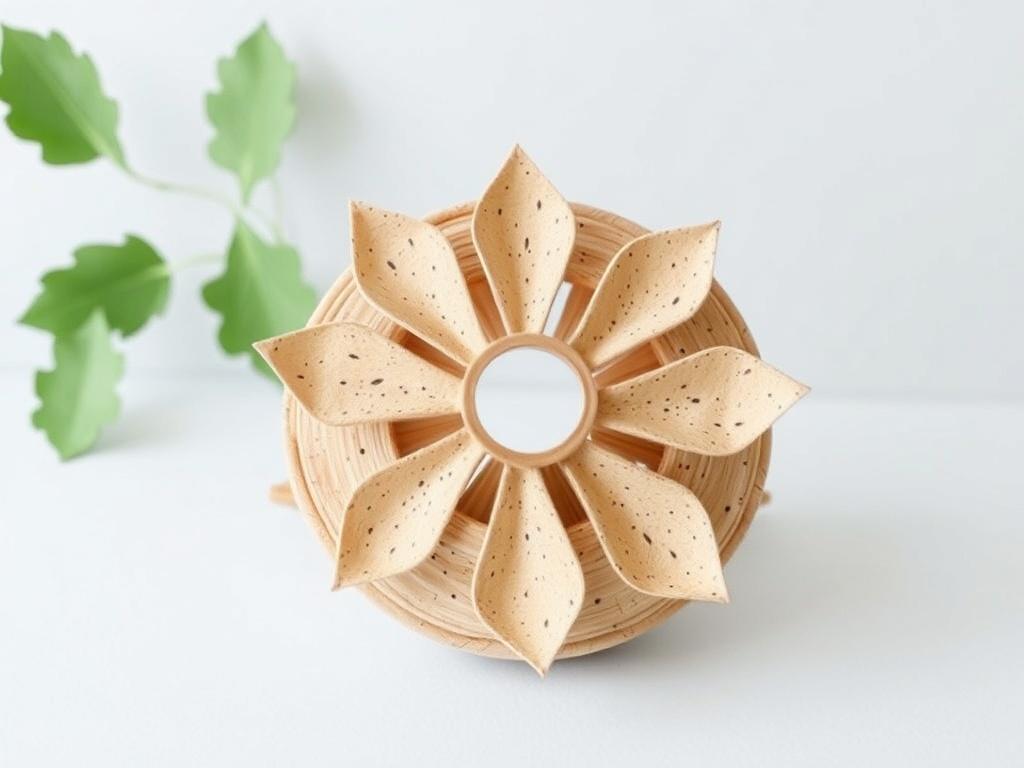
Start by pre-cutting a small sample and testing your machine settings. Use a moderately long stitch — around 3.0 to 3.5 mm — and a slightly slower sewing speed so the machine doesn’t bog down. Test stitch tension and adjust presser foot pressure if your machine allows; the goal is smooth feeding without puckering the cork backing.
For curved seams, ease slowly and use clips rather than pins. If you need to topstitch, increase the stitch length and consider using a specialty thread for visual contrast. When gluing, apply adhesive thinly and clamp or weight pieces together until the glue sets; excess glue can darken or stiffen the cork if applied heavily.
Cutting and marking tips
For precise pattern cutting, use a rotary cutter whenever possible. A sharp rotary blade slices the cork cleanly and avoids tearing. If you must use scissors, ensure they are dedicated to fabric work and sharpened often so cuts remain smooth and edges don’t compress.
Marking cork can be done with tailor’s chalk, a water-soluble pen, or removable low-tack tape. Avoid permanent markers unless you specifically want decorative lines; ink can be difficult to remove from the cork surface. When tracing patterns, place weights on the pattern edges rather than pinning through the material.
Finishing edges and seams
Because cork doesn’t fray, you can sometimes omit traditional seam finishes, but for longevity and a professional look it’s wise to finish raw edges. Options include topstitching a folded edge, binding with cotton tape, or using a thin strip of faux leather as trim. Each approach adds durability and can be a design feature as well.
If you prefer a painted edge, an acrylic edge paint or gilder’s tip with a thin layer of sealant creates a clean line. Edge sealants also prevent moisture infiltration at seam allowances. For items that will face heavy wear, such as bag bottoms, consider reinforcing with a second layer of cork or a fabric backing where stress concentrates.
Adhesives and hardware choices
Contact cement works well for lamination and for bonding cork to other non-porous surfaces like metal or plastic. Apply a thin, even coat to both surfaces, allow it to flash per manufacturer instructions, then press firmly together. Avoid using household superglues for flexible joins; they can make seams brittle and prone to cracking.
Choose hardware that complements cork’s natural aesthetic — matte brass, brushed nickel, and real wood accents often pair beautifully. Snap closures, rivets, and zippers can be installed similarly to leather, but always test settings on a scrap piece first. For strap attachments, a folded and glued cork loop or a leather patch offers strength without bulk.
Beginner-friendly projects
If you’re new to this material, start small. Coasters, key fobs, simple clutch wallets, and zippered pouches teach you cutting, gluing, and basic sewing with quick turnaround and minimal material waste. These projects are forgiving and make excellent gifts, market-ready goods, or practice pieces as you refine techniques.
My first cork project was a set of round coasters. I cut a dozen circles, glued thin felt to the underside to protect tables, and topped them with minimalist painted accents. They taught me how different adhesives react and how much pressure to use when bonding — lessons I still use for larger pieces today.
Simple coaster pattern
Cut cork circles 4 inches in diameter. Glue a 3.5-inch felt circle to the underside for grip and protection. Seal the top edge with an acrylic varnish if you want extra durability, and add painted or stamped designs for decoration.
This project takes under an hour and introduces tools, glue behavior, and decorative finishing in a low-risk way. Make several to test different finishes and choose your favorite for larger items.
Intermediate projects: wallets, phone cases, and pouches
When you’re comfortable with small pieces, step up to projects that require more pattern accuracy and hardware. Wallets and phone cases require neat edges, precise stitching, and sometimes multiple layers. Cork’s stability makes it excellent for structured designs that still feel soft to the touch.
I designed a minimalist cork wallet for a craft fair last year. The wallet used a cotton poplin backing and a small snap closure; I finished edges with waxed linen cord and a light coat of edge paint. Customers liked the tactile feel and the story behind the material more than I expected — it sold out quickly.
Steps for a simple zippered pouch
- Cut two cork exterior panels and two inner lining panels to the pouch dimensions plus seam allowances.
- Install zipper between exterior and lining pieces using clips to secure; sew slowly with a zipper foot.
- Topstitch zipper edge for a finished look and join exterior panels at sides and bottom; repeat for lining, leaving a gap to turn.
- Turn pouch through the lining gap, press edges, sew the gap closed, and topstitch around the top if desired.
This process mirrors standard fabric pouch construction, but be mindful of glue residue and the lighter give of cork backing. Use a walking foot and take it slow around thick seams where cork layers meet.
Advanced projects: bags, shoes, and furniture accents

Cork scales up beautifully to larger projects when you’re ready for challenges like bag gussets, reinforced straps, and hardware-heavy assemblies. Bags are a natural fit: cork’s water resistance protects contents, and its lightweight nature keeps tote weight low even with structural elements. Sewers often pair cork with sturdy webbing, leather trims, or recycled textiles for added strength.
For footwear, cork is commonly used for insoles and outer accents rather than full uppers, though some designers create sandals and slip-ons using cork panels. For upholstery or furniture panels, thicker cork-backed sheets can be glued to chair backs or cabinet doors to add texture and eco-friendly flair.
Design tips for bags and straps
Reinforce strap attachment points with a double layer of cork or a small leather patch to distribute load and prevent tearing. Consider sewing through both layers or using rivets to add mechanical strength. When designing gussets, test fold lines and make samples so the finished bag retains shape without becoming too stiff.
Choose seam placements with wear in mind — bottoms and corners will face the most abrasion. Add feet or corner protectors where appropriate, and if you plan to sell, consider including care instructions so buyers know how to maintain the bag’s look over time.
Home decor and functional pieces
Cork lends itself to home projects like placemats, table runners, bulletin boards, coasters, and lamp shades. Its insulating quality makes it sound-dampening and comfortable underfoot for small rugs or mat inserts. With a little imagination, cork panels can be cut into geometric shapes for wall art or used as drawer liners for a neat, natural look.
I replaced vinyl placemats with cork ones a few years ago, backing them with a thin cotton for color contrast. They made cleanup effortless — a wipe with a damp cloth handled most spills — and the set held up to frequent use without obvious wear. Guests often asked where I bought them, which prompted me to make more as gifts.
Decorating cork: painting, stamping, and embossing
Cork accepts paints and inks differently than fabric; it soaks some media and resists others. Acrylic paint adheres well and provides good coverage, while fabric paints tend to be less opaque. For crisp designs, use acrylics with a small amount of textile medium to keep the surface flexible after drying.
Stamping with pigment inks gives a rustic effect; test stamping pressure and ink saturation on scraps to avoid bleeding. Heat embossing can work on cork if the surface is primed and the embossing powder adheres, but you’ll need a practiced hand as cork can char if overheated. For a permanent embossed look, some artisans use a heated metal die to impress patterns, producing an elegant, tactile finish.
Care, cleaning, and repair
Cork is low-maintenance. Most dirt and spills wipe away with a damp cloth and mild soap. Avoid soaking cork-backed items for long periods, and don’t machine-wash unless the lining and construction are explicitly rated for it. For stubborn stains, a small amount of isopropyl alcohol on a cloth can lift spots; always test in an inconspicuous area first.
Minor scratches and scuffs can sometimes be minimized using a tiny bit of mineral oil or beeswax-based polish applied sparingly. For structural repairs, glue works well: apply contact cement or a flexible fabric adhesive to reattach lifted layers or repair seams. If a corner wears through, a small patch of cork or leather adhered inside can extend its life without changing the look significantly.
Designing with cork: aesthetic considerations
Cork’s visual palette ranges from pale beige to deep brown, often spotted with darker flecks. That natural grain looks great with matte metals and earthy textiles like linen and canvas. If your aim is minimalist sophistication, pair plain cork with monochrome linings; for a playful effect, contrast a natural cork exterior with a bright, patterned interior.
Think about scale: small items show the cork grain in close detail, while larger surfaces can look almost leather-like from a distance. Mixing textures helps: smooth cork panels combined with woven straps or wool details produce a balanced craft that feels considered rather than rustic alone.
Where to source cork fabric
Many specialty fabric stores and online marketplaces now stock cork fabric in rolls and pre-cut sheets. Look for reputable suppliers who list backing materials and thickness so you know what you’re buying. Small-batch, ethically sourced cork often costs more, but you’ll get better documentation about forest management and production practices.
Don’t overlook remnant bins, sample packs, and local suppliers who might sell offcuts at discounted prices. Cork is a forgiving material for practicing techniques; purchasing a few small scraps lets you test adhesives, needle sizes, and finishes before investing in larger quantities.
Pricing, selling, and marketing cork goods
Cork items can command premium prices when presented as sustainable, handcrafted goods. Emphasize origin, durability, and care instructions in product descriptions. High-quality photos that show texture and scale help buyers understand what they’re purchasing and justify higher price points.
When selling handcrafted cork products, consider offering a short story about cork’s sustainability and your own design process. Customers often connect with the narrative as much as the object itself. For craft fairs or online shops, bundle items (like a wallet with matching key fob and coaster) to increase average order value while using material efficiently.
Common challenges and troubleshooting
Cracking at tightly stitched corners is a common issue when stitches are too close to an edge or when multiple layers create bulk. Avoid stitching too near raw edges and consider reinforcing corners with small patches. Using a thicker backing or interfacing can also reduce stress concentration at seams.
If your machine hesitates or skips stitches, check needle sharpness and switch to a heavier needle if necessary. Feeding problems often resolve with a walking foot or by decreasing presser foot pressure so the cork doesn’t compress as it passes through the machine. Run tests on scraps until you find the optimal settings for your equipment.
Safety and ethical notes
While cork itself is biodegradable and low in toxins, the backing materials and adhesives can vary in environmental impact. Inspect labels and ask suppliers about the resin or adhesive used if you prioritize low-VOC products. If you choose cork bonded to polyester, know that while the cork is renewable, the backing introduces synthetic fiber considerations at end-of-life.
When working with adhesives, ensure good ventilation and follow manufacturer safety guidelines. Use protective gloves if you have sensitive skin, and store materials responsibly to avoid accidental spills. Ethically, supporting responsible cork suppliers helps preserve cork oak landscapes and the communities that depend on them.
Project ideas catalog
Below are practical project ideas categorized by skill level so you can pick something that matches your confidence and time. Each suggestion includes a brief note on why cork works well for that item and any special considerations to keep in mind.
- Beginner: Coasters — easy cuts, minimal stitching, great for testing finishes.
- Beginner: Key fobs — test rivets and snaps, quick to make and giftable.
- Intermediate: Zippered pouch — practice zipper insertion and lining work.
- Intermediate: Card wallet — requires precise folding and edge finishing.
- Advanced: Crossbody bag — integrates hardware, straps, and structured panels.
- Advanced: Cork-backed stool seat — combines upholstery glue and shaping.
- Home: Bulletin board set — cut geometric shapes and mount for modular decor.
- Fashion: Belt with cork overlay — use sturdy core and finish edges carefully.
These projects scale well for makers wanting to move from hobby to small business. Start with a solid sample, refine construction, and then produce a small batch with consistent sizing and finishes.
Comparison: cork fabric, leather, and vinyl
It helps to compare cork to common alternatives when deciding on materials for a project. The following table summarizes key differences in sustainability, care, and typical uses so you can pick the right substrate for your design goals.
| Feature | Cork fabric | Leather | Vinyl/PVC |
|---|---|---|---|
| Sustainability | Renewable harvest; low-impact when paired with natural backings | Animal-derived; varies with tanning process | Petroleum-based; high environmental cost |
| Water resistance | Naturally water-repellent | Water resistant if treated; otherwise can stain | Highly water-resistant |
| Durability | Durable for everyday items; resists abrasion | Very durable with proper care | Durable but prone to cracking over time |
| Maintenance | Easy wipe-clean; low odor retention | Requires conditioning | Wipe-clean but can degrade |
Patterns, templates, and learning resources
Many independent designers publish cork-specific patterns for bags, wallets, and home goods. Look for patterns that mention cork or vinyl as a recommended material to avoid surprises in seam allowances or required hardware. Video tutorials that demonstrate gluing and sewing techniques are particularly useful for visual learners.
Local maker spaces and sewing circles often host workshops that welcome alternative materials like cork. If you prefer self-paced learning, invest in a sturdy reference book on working with non-woven leathers or purchase a few online courses that include cork demonstrations. Hands-on practice remains the best teacher: cut, test, and refine your method on scraps before committing to a final piece.
How to scale up: small-batch production tips
If you plan to sell cork items, standardize your process. Create templates from heavy cardstock or acrylic, confirm stitch lengths and seam allowances, and keep a notebook of machine settings that work. Batch similar tasks — cutting all pieces at once, then assembling in a production line — to save time and maintain consistent quality.
Source materials in larger quantities once your designs sell consistently; buying direct from wholesale suppliers can reduce per-yard cost and provide more consistent color and backing. Label each run with backing type and adhesive notes so you remember which production batch used which materials, a helpful detail when troubleshooting later.
Final notes and inspiration to get started

Crafting with cork fabric opens a path to making beautiful, functional objects while minimizing environmental impact. It rewards patience and testing, but even simple projects yield satisfying results that friends and customers notice for both their look and their story. Whether you’re sewing your first pouch or planning a small line of accessories, cork offers room to experiment.
Begin with a small, well-planned project, and make time to create test pieces. Keep a scrap box for trials, and don’t be afraid to adapt patterns meant for leather or heavy canvas — cork’s unique behaviors often make those patterns sing with just a few tweaks. Above all, enjoy the tactile pleasure of working with a material that feels good to the hand and has a quieter, kinder footprint on the world.