Quilting is a living craft that threads together history, imagination, and practical skill, and it rewards patience with warmth you can hold. Whether you first learned by watching a grandmother stitch at a kitchen table or you discovered modern quilts on Instagram, the practice invites curiosity and creativity. The Art of Quilting: From Traditional Patterns to Modern Designs traces how simple squares and strips became canvases for identity, protest, innovation, and beauty.
A short history of quilting
Quilting, in one form or another, is ancient: stitched layers of fabric have appeared wherever people needed warmth and portability. Early examples come from many cultures, from Central Asian pile quilts to European whole-cloth quilts, each shaped by available materials and social norms. The technique arrived and evolved in the Americas through migration, trade, and the blending of traditions.
In the United States quilting grew into a communal practice during the 18th and 19th centuries, when fabric was costly and quilts were often collaborative projects. Bees and social gatherings made quilting both a practical necessity and an opportunity for connection. Over time, pattern books, magazines, and railroads spreading fabric allowed new designs to proliferate.
The 20th century brought mass-produced fabrics and sewing machines, changing both speed and aesthetic possibilities. Quilting shifted from purely utilitarian objects to items valued for their design. In recent decades, renewed interest in craft, preservation, and design thinking has pushed quilting into new spaces, from galleries to virtual communities.
Today quilting stands at an intersection: it honors long-standing technical traditions while embracing invention. Makers combine handwork with digital design tools and experiment with unconventional materials. This dialogue between past and present is what keeps the craft vibrant and relevant.
Traditional patterns and their stories
Traditional quilt blocks function as a visual vocabulary—each pattern carries associations, regional preferences, and sometimes personal stories. Blocks like the log cabin, star, and nine-patch became staples because they were adaptable, easy to teach, and forgiving of uneven seams. Many communities used named patterns as mnemonic devices for sharing techniques and as markers of identity.
Some patterns have folklore attached: the “underground railroad” narratives around certain blocks are contested but reflect how quilts became symbols in local histories. Others were simply clever ways to use scraps efficiently, and that economy often dictated the geometry. Patterns also record aesthetics of their time, preserving color and fabric trends through generations.
Quiltmakers often modified patterns to suit their needs, creating regional variants and family signatures. A block could be elongated, combined with another, or stitched densely to produce a different effect. That malleability is why so many “traditional” patterns feel fresh when revisited thoughtfully.
Studying historical quilts is like reading a ledger of materials and tastes: calicos, feed sacks, and indigo prints tell a story about availability and social life. Museums and local quilt collections are invaluable for anyone who wants to see how threads of daily life weave into textile art. Those artifacts teach methods and inspire reinterpretation.
Respecting traditional patterns doesn’t require replication; it can mean borrowing rhythm, proportion, or storytelling intent, then translating those elements into contemporary fabric choices or layouts. The conversation between old and new patterns is where much of the craft’s excitement lives.
Iconic blocks: log cabin, star, and nine-patch
The log cabin block is a study in balance: its central square — often red for the hearth — surrounded by alternating light and dark “logs” creates movement and symbolism. Arrangements of these blocks produce striking effects, from radiating wilderness patterns to cozy, domestic grids. I once made a log cabin baby quilt and found the block’s straightforward construction perfect for practicing consistent seam allowances.
Star blocks, with their points and negative space, have been a quilting favorite for centuries because they read clearly at any scale. Whether set as lone focal points or repeated across a top, star motifs offer dramatic geometry that plays well with contrasting fabrics. Small adjustments to the star’s points change the mood from crisp and celestial to rustic and handmade.
Nine-patch is often the first block new quilters learn: its simplicity teaches cutting, piecing, and pressing without intimidation. Yet despite its humble origins, nine-patch lends itself to complex compositions when combined with sashing and alternate blocks. Its modular nature exemplifies how basic building blocks can construct elaborate visual narratives.
Materials and tools: what you really need
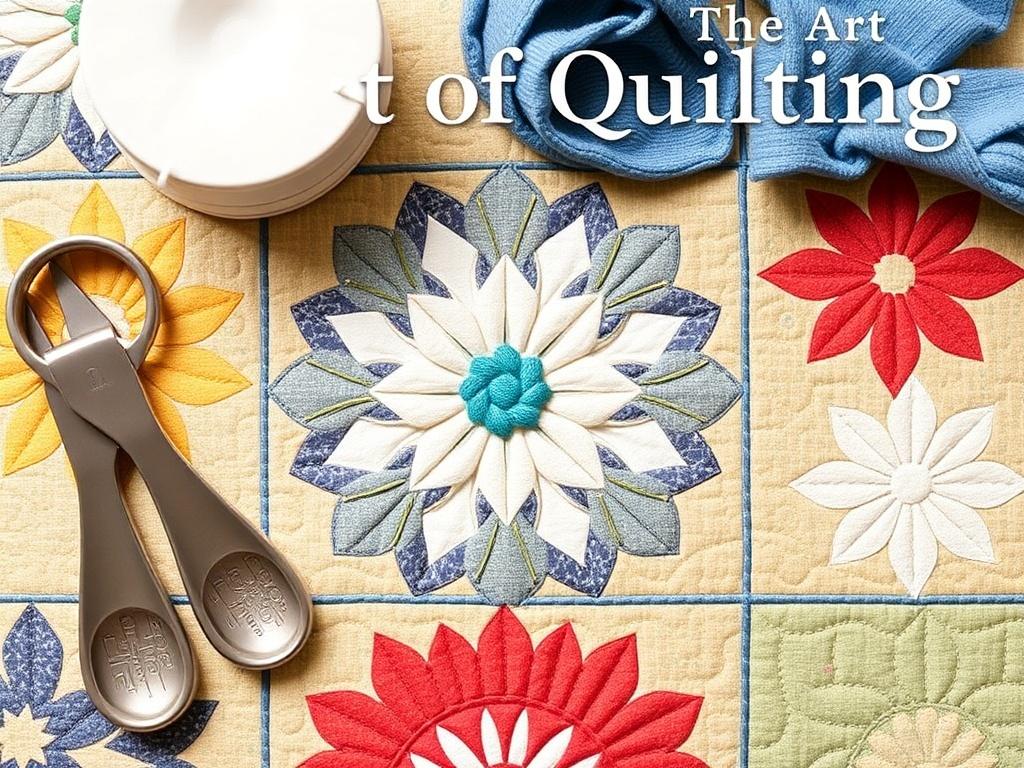
Quilting gear ranges from the very basic to specialized machinery, but you only need a few essentials to begin. A reliable rotary cutter, a cutting mat, and a clear quilting ruler make precise cutting far less frustrating than scissors alone. Quality thread, a good pair of pins or clips, and a sewing machine with a straight-stitch plate cover most starter projects.
Fabrics define the quilt both visually and physically; cotton quilting fabrics are a go-to for their stability and availability. As you gain experience you’ll learn which fibers behave differently: linens relax, silk puckers, and synthetic blends can shift under heat. Choosing fabrics with similar weights and fiber content simplifies piecing and preserves seam behavior.
For hand-quilters, a comfortable hoop or frame, thimble, and sharp needles are indispensable. For machine quilting, a walking foot or a free-motion foot expands your options. Longarm machines or domestic machine setups each have trade-offs—space, cost, and the ability to handle large quilts are core differences.
Below is a brief list of starter tools to keep within reach for most projects:
- Rotary cutter, cutting mat, and clear ruler
- Sewing machine with a straight stitch and walking foot
- Cotton quilting fabrics and quality thread
- Pins or clips, seam ripper, and iron
- Batting and backing fabric
Techniques: piecing, appliqué, and quilting stitches
Piecing assembles the quilt top from blocks or strips, a method governed by accurate cutting and consistent seam allowances. Appliqué layers shapes onto a background fabric, offering opportunities for curves and detailed imagery that piecing alone can’t achieve. Quilting stitches—whether sparse or dense—anchor the layers and add texture and design.
Hand piecing and machine piecing each bring different aesthetics and comforts: hand piecing can be forgiving to travel and yields a distinct look, while machine piecing speeds up construction and produces very precise seams. Appliqué lets you introduce pictorial elements like leaves or animals, and trapunto or cording can introduce sculptural, raised effects. Deciding how much quilting to stitch into the layers determines both warmth and movement.
Choose quilting patterns with the quilt’s purpose in mind: a baby quilt benefits from simpler quilting for softness, while an art quilt might require dense stitching to stabilize richly textured surfaces. Below is a compact comparison of common approaches, their strengths, and typical uses.
| Technique | Strengths | Common uses |
|---|---|---|
| Hand piecing | Portable, forgiving, traditional look | Heirlooms, travel projects, delicate fabrics |
| Machine piecing | Fast, precise, suitable for large projects | Bed quilts, modern quilts, quilts for sale |
| Appliqué | Allows curves and pictorial elements | Decorative quilts, novelty quilts, art quilts |
| Free-motion quilting | Highly expressive, texture-rich | Art quilts, custom quilting, focal areas |
| Longarm quilting | Efficient for large quilts, consistent fills | Quilts for clients, large bed quilts |
Handwork versus machine work
Hand quilting keeps your pace intimate and controlled; stitches vary slightly, which many collectors prize as evidence of the maker’s hand. Machine quilting speeds completion and opens creative possibilities with stitch length and thread choices. Both approaches have places in a quilter’s practice, and many makers switch between them depending on the project.
When I began quilting I favored handwork for the meditative quality it brought, especially late at night with a lamp and a mug of tea. Later, I embraced machine quilting for larger projects and to experiment with dense motif fills that would be slow by hand. That balance—choosing the right technique for the intention of the quilt—keeps the work satisfying.
Working by machine also introduces technical considerations like thread tension and stitch regulation, but it rewards persistence. For new quilmakers, trying both methods on small samples helps reveal personal preferences without committing to a full quilt.
Design principles for quilts
Design in quilting operates at multiple scales: block, whole top, and the interplay between pattern and negative space. Balance, rhythm, contrast, and focal points are as relevant to quilt design as they are to painting. Using these principles consciously makes a quilt feel purposeful rather than pieced together by accident.
Consider scale when mixing fabrics: small prints read as texture at a distance, while bold prints become dominant. Repetition builds rhythm, while a single contrasting block can serve as a focal point that draws the eye. Negative space—areas of plain fabric—offers visual breathing room and can sharpen the impact of complex blocks.
Grids and symmetry offer comfort and clarity, while asymmetry and improvisation introduce energy and surprise. A deliberate decision to break symmetry can make a quilt more contemporary and lively. It’s helpful to make test layouts—either physically or digitally—before committing to sewing rows together.
Templates, graph paper, and software tools help translate an idea into precise measurements and cutting plans. Playful experimentation with scraps on a design wall often leads to the most original combinations, so keep a flexible mindset and an empty wall to rearrange blocks freely.
Color, fabric selection, and scale
Color choice determines mood: saturated jewel tones feel dramatic, muted palettes read as vintage or calming, and high-contrast combinations present a modern punch. Fabrics with directional prints or motifs need special attention when you cut pieces for consistent orientation. A limited palette can unify disparate prints, while an eclectic mix emphasizes variety.
Scale matters beyond color. Using only small-scale prints produces a gentle, textured surface, whereas mixing small and large scales gives depth and prevents patterns from muddying. Consider viewing your fabric selections from a distance to check how the colors and values behave together. Stepping back helps you see whether the overall composition sings or needs rebalancing.
Coordination doesn’t mean everything must match; thoughtful discord can create interest. Try choosing one or two anchor fabrics and then add accent prints to complement rather than compete. Swatches taped together let you test pairings before committing to yardage purchases.
Pay attention to value—the lightness or darkness of a fabric—because it influences readability of patterns. High-contrast value relationships define shapes clearly, while low-contrast combinations produce subtler, more textural effects. Mixing values intentionally is one of the most powerful tools at a quilter’s disposal.
The rise of modern quilting
Modern quilting emerged as designers began to favor bold solids, negative space, asymmetric layouts, and unconventional materials. It borrows from graphic design and minimalism while keeping quilting’s tactile, hands-on heritage. Social media and blogs accelerated its spread, allowing a diverse set of voices to shape what “modern” can mean.
Modern quilts often exploit large-scale prints or broad expanses of solid fabric to create striking negative space and strong focal points. Minimal piecing with strategic color placement can feel contemporary and clean. Many modern makers also prioritize functionality—quilts that live in daily life rather than hanging strictly as art.
Designers like Denyse Schmidt and guilds like the Modern Quilt Guild have helped legitimize and define the movement, but modern quilting resists strict rules. It’s a flexible label that accommodates improvisational approaches, graphic repetition, and even traditional blocks reconfigured with bold color choices. The movement’s diversity is part of its strength.
Modern quilting has also expanded discussions about sustainability and inclusion, with makers exploring remnant fabrics, upcycling, and community-based projects. These concerns tie contemporary aesthetics to ethical practice, broadening quiltmaking’s relevance for new generations.
Improvisational and minimalist approaches
Improvisational piecing rejects rigid templates in favor of spontaneous cutting and assembly; it’s a method that encourages discovery during the making process. This approach often results in quilts that feel alive and immediate, with uneven seams intentionally embraced as design elements. Many quilters find improvisation freeing because it reduces the pressure to be “right.”
Minimalist quilts, in contrast, focus on reduction: fewer elements, cleaner lines, and more negative space. Achieving clarity with minimal elements requires careful attention to proportion and placement, and mastering restraint can be deceptively difficult. Both improvisation and minimalism, though different in philosophy, invite quilters to think about what to leave out as much as what to include.
Experimenting with both approaches can expand a maker’s vocabulary: improvisation can teach intuition and texture, while minimalism hones precision and subtlety. Mixing the two—improvised blocks arranged in a minimalist composition—often produces compelling results.
Quilting as storytelling and social practice
Quilts often carry narratives: family photos stitched into panels, fabrics from a loved one’s clothing, or blocks pieced during significant life events. Making a quilt can memorialize moments and people in tactile form. These stories give quilts emotional resonance beyond their function as bedding or decoration.
Community quilting practices—bees, guilds, and charity sew-ins—have historically been social glue. Sewing rooms and guild meetings provide mentorship, critique, and friendship. I remember a local guild where newcomers exchanged techniques while older members shared stories; those conversations were as valuable as the stitches produced.
Quilts also enter public conversation as political or cultural statements, from suffrage quilts to modern works addressing identity and social issues. Textile art can be accessible and eloquent because it speaks through everyday materials. When quilts are shown in galleries or used in activism, they transform private craft into public dialog.
Participation in quilting groups, online forums, or workshops offers ways to exchange patterns and techniques while fostering cross-generational continuity. These networks preserve expertise and invite fresh perspectives, ensuring quilting remains dynamic and inclusive.
Caring for and preserving quilts
Proper care extends a quilt’s life: gentle washing, supportive storage, and avoiding prolonged light exposure keep colors and fibers intact. For fragile or antique quilts, minimal handling, stabilized display, and consultation with textile conservators are prudent steps. Basic care practices can prevent many common forms of deterioration.
Washing methods depend on fabric type, construction, and age; many modern quilts tolerate a gentle machine wash, while older quilts may require hand washing or professional conservation. Store quilts folded with clean cotton sheets between layers to reduce friction and pressure. Avoid plastic containers that can trap moisture and foster mildew.
If you intend to display a quilt, rotate it periodically and keep it out of direct sunlight to prevent fading. Document quilts with photographs and notes about provenance, maker, and materials—this record increases their cultural and monetary value. Thoughtful care honors both the object and the stories it carries.
Getting started: a simple step-by-step project
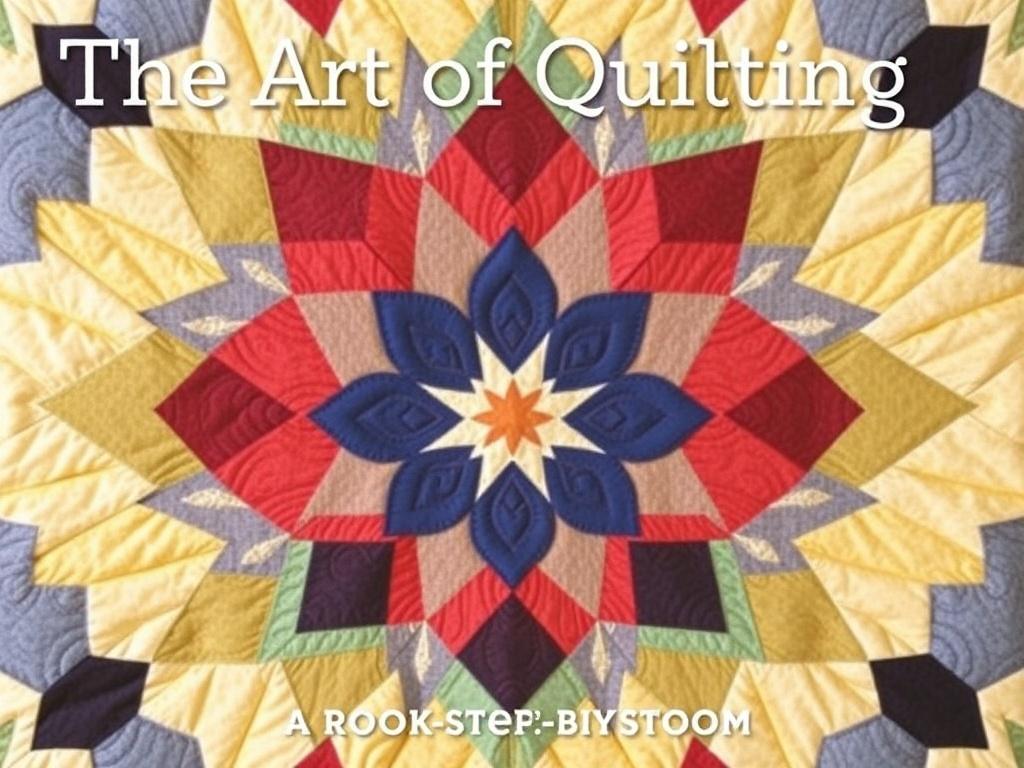
Starting with a small, manageable project—like a baby quilt or throw—builds skills without overwhelming your supplies or time. Pick a simple pattern, such as a rail fence or strip quilt, that teaches cutting, piecing, and finishing. Gathering materials in advance smooths the process and reduces decision fatigue mid-project.
Below is an ordered plan to make a basic strip quilt that a beginner can follow with confidence:
- Select 5–7 coordinating fabrics; precut strips 2.5″ to 3.5″ wide.
- Sew strips together into longer units, press seams to one side or open depending on technique.
- Cut units into consistent lengths and sew rows together to create the top.
- Create a quilt sandwich with backing, batting, and top; baste with pins or spray adhesive.
- Quilt with a simple straight-line pattern or in-the-ditch stitching, then bind the edges.
Taking time for accurate pressing and seam allowance consistency yields a neater final result. If something goes wrong, seam ripper and patience are your allies; mistakes are part of the learning curve. Celebrate the finished quilt regardless of imperfections—they tell the story of a maker at work.
Advanced techniques and experimentation
As quilters gain confidence they often pursue advanced techniques like paper piecing, English paper piecing, whole-cloth quilting, and complex appliqué. These methods require investment in time and sometimes specialized tools, but they open doors to precise geometry and detailed imagery. Learning one advanced technique at a time keeps progress steady rather than overwhelming.
Surface design options expand the palette: fabric dyeing, screen printing, batik, and fabric painting turn plain cloth into custom material that expresses your aesthetic. Combining surface design with conventional piecing yields truly unique quilts. Many artists use mixed media—embroidery, beads, found objects—to push textiles into sculptural territory.
Technology also plays a role: pattern-drafting software, digital printing on fabric, and CNC or laser cutting bring new efficiencies and possibilities. While purists may resist, these tools can amplify creativity when used thoughtfully. The key is to let technology serve the design, not dictate it.
Teaching and mentoring others helps consolidate advanced skills; explaining a technique clarifies it for you as well. Many quilters become teachers, writing patterns or leading workshops that refine both technical and communicative abilities.
Selling, sharing, and exhibiting quilts
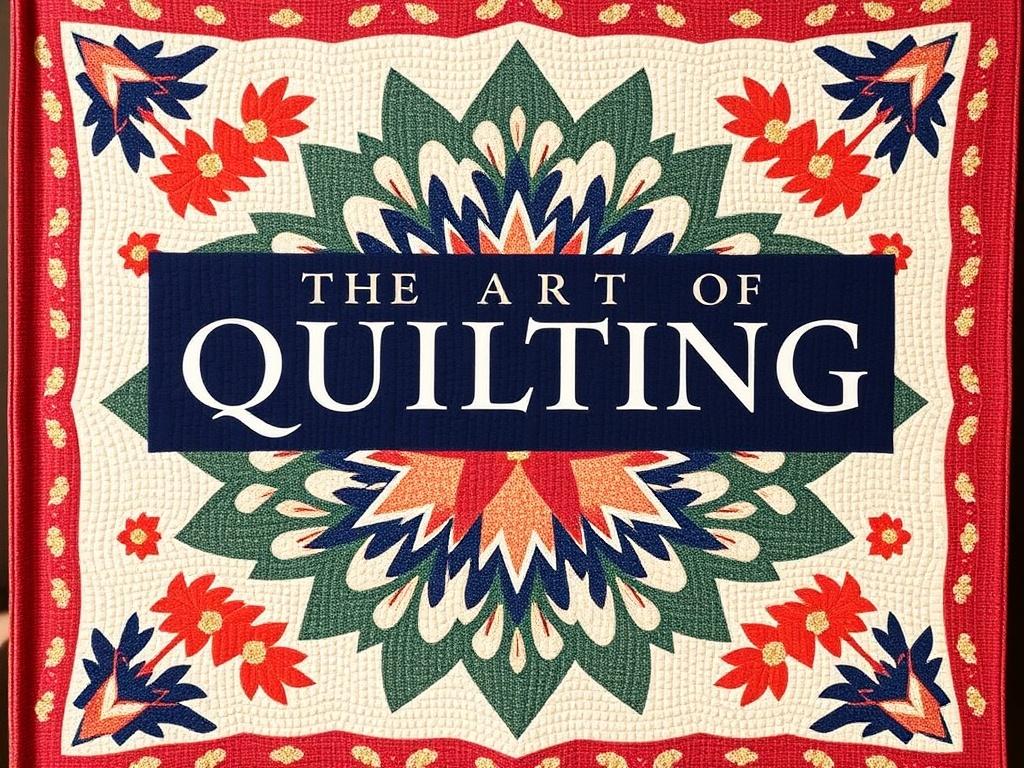
Turning quilts into a small business requires understanding pricing, presentation, and markets. Price your work to account for materials, time, overhead, and a fair maker’s fee—many makers undervalue their labor. High-quality photography and thoughtful descriptions help buyers appreciate both the material and narrative aspects of your quilts.
Quilt shows, craft fairs, galleries, and online marketplaces each attract different audiences. Local shows promote community recognition, while curated gallery exhibitions can elevate perception of quilts as art. Online platforms multiply reach but demand good images and clear shipping practices.
When exhibiting, prepare a statement about your process and inspiration; viewers often crave context. Packaging, labeling, and care instructions also enhance buyer satisfaction and preserve the quilt’s value over time.
Resources, guilds, and online learning
Local quilt guilds, community centers, and adult education classes remain excellent sources of hands-on learning and mentorship. Guilds host demonstrations, workshops, and quilting bees that accelerate skill-building and broaden social ties. Many guilds also offer access to specialized equipment and shared knowledge about local resources.
Online, abundant tutorials, patterns, and forums support every skill level: video lessons demonstrate tricky techniques, and pattern marketplaces provide instant project ideas. Social platforms foster worldwide exchanges, but it helps to vet sources for reliability and clarity. Invest in a few high-quality patterns or classes rather than sampling dozens superficially.
Books and museum catalogs remain indispensable for historical context and technical depth. Collections that document quilts from particular regions or eras provide design inspiration and practical guidance for reproducing period techniques. Combining online and print resources offers balance between immediacy and depth.
Thoughts on the craft’s future and your place in it
Quilting’s future seems likely to be plural: museums will preserve historical pieces while makers continue to push boundaries with new materials, social practice projects, and digital tools. Sustainability and community-oriented practices will play a larger role as makers consider the lifecycle of textiles. That evolution keeps quilting relevant and responsive to broader cultural concerns.
Your place in that future depends on what you seek from the craft—comfort, community, commerce, or creative expression. Whether you inherit patterns handed down for generations or invent new ones at your dining table, your decisions add to a collective tradition. Keep experimenting, keep learning, and share your work; every quilt is both a personal object and a contribution to a larger story.
Pick a small project, gather a few fabrics you love, and begin. The best lessons come while hands are busy, and you’ll find each seam teaches something new about proportion, patience, and possibility. Quilting rewards curiosity; the rest follows stitch by stitch.