
Paper has a way of surprising you. It starts as something flat and ordinary and, with a few folds, cuts, and glues, becomes a vessel for stories, utility, and beauty.
This article explores paper crafting beyond scrapbook pages, opening doors to techniques, tools, projects, and ideas that expand a single sheet into sculpture, stationery, and small-scale architecture.
Why paper remains an essential craft medium
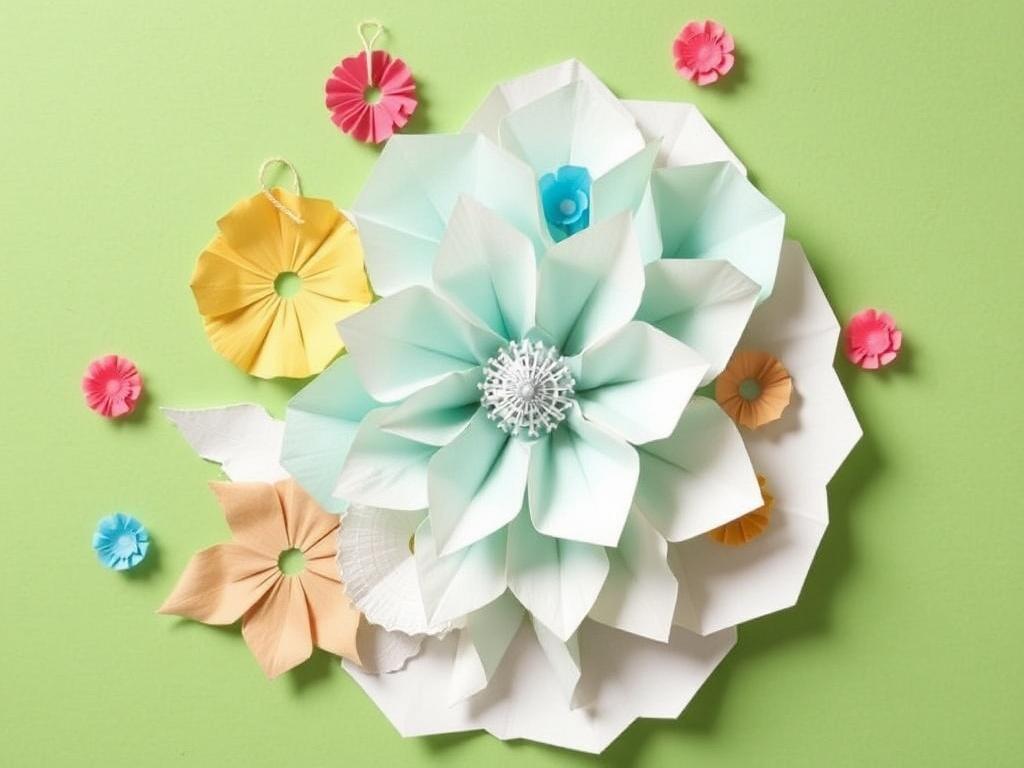
Paper sits at the intersection of accessibility and expressive potential. It’s inexpensive, widely available, and responds to a variety of techniques — from gentle folding to wet pulping — making it ideal for beginners and experimenters alike.
Unlike many craft materials, paper holds both fine detail and broad gestures. It can carry ink, hold a sharp crease, or be layered into weight and texture, which makes it uniquely versatile across artistic disciplines.
Core techniques that go beyond scrapbooking
When people think of paper crafts, they often picture patterned paper and stickers. In reality, paper techniques form a huge toolkit that includes folding, cutting, binding, sculpting, printing, and surface treatments that reach far beyond decorative layouts.
Below are a dozen core techniques with practical notes so you can choose a new direction that ignites your curiosity.
Origami and modular folding
Origami uses folds to transform a single sheet into animals, geometric forms, and complex tessellations. The charm lies in converting two-dimensional surfaces into three-dimensional objects without adhesive or trims, relying instead on precision and sequence.
Modular origami assembles many folded units into compound structures. I once built a geometric lamp from 120 interlocking units; the light through the seams produced a pattern no drawing could match.
Kirigami and decorative paper cutting
Kirigami combines folding and cutting to create pop-up elements or lace-like sheets. It blends negative space with structural integrity, producing designs that can function as cards, lanterns, or architectural models.
Paper cutting also includes silhouette portraits and intricate designs carved with scalpels or precision knives. This technique rewards patience and steady hands, and the results can be framed as standalone art.
Quilling and paper filigree
Quilling rolls narrow strips into scrolls and coils, then shapes them into floral or abstract motifs. The coils are glued together to form raised, textured designs that read beautifully in close-up.
Because quilling components are thin and light, they’re ideal for jewelry embellishments, decorative boxes, or delicate cards that focus on tactile detail rather than pattern paper.
Bookbinding and handmade books
Bookbinding ranges from simple pamphlet stitches to complex case bindings and Coptic stitching. Binding teaches patience in measurement, hole placement, and thread tension, resulting in functional sculptural objects: journals, sketchbooks, or artist books.
Making a book deepens your connection to paper, since you learn how different papers behave when folded, sewn, and trimmed. I’ve taught friends how to bind a ten-page notebook in an afternoon, and the confidence in their faces is always worth the glue-smeared table.
Paper engineering and pop-ups
Paper engineers design mechanisms that fold flat and spring into three-dimensional forms. Pop-up books, greeting cards with moving parts, and mechanical scenes all use simple levers, tabs, and layers to create surprise and motion.
Starting with basic V-folds and box-pleats, you can graduate to concertinas and multi-plane pop-ups that suggest depth and narrative. The most satisfying projects are those that marry structural logic to a playful idea.
Paper sculpture and 3D construction
Paper sculpture treats sheets as sheets of clay, bending and shaping them into organic forms. Artists use scoring, wetting, and armatures to craft shapes ranging from small figurines to large installations.
Because paper is light, it allows ambitious scale without heavy supports. I once helped mount a paper forest installation in a café window; people stopped to touch the leaves, surprised it wasn’t fabric or plastic.
Paper mache and pulp techniques
Paper mache uses layered paper and adhesive to build solid, paintable forms, while pulp techniques let you create new sheets or sculptural pieces from recycled paper. Pulp can be colored, embedded with fibers, or formed into molds for custom textures.
These methods open possibilities for mask-making, props, and sturdy tactile objects that hold paint and mixed media well. Pulp work is often messier but immensely gratifying for its hands-on transformation.
Paper flowers and botanical crafting
Paper floristry ranges from stylized crepe-paper carnations to delicate tissue-paper anemones. Techniques emphasize petal shaping, wire stems, and color blending to mimic natural forms or create fantastical blooms.
Paper flowers make excellent long-lasting decor and gifts. I’ve given paper bouquets for birthdays and watched recipients keep them for years — a small, lasting memory that never needs water.
Printmaking, stamping, and surface decoration
Block printing, linocut, and rubber stamping let you reproduce motifs on paper repeatedly. Each method affects the paper differently; heavier, absorbent stocks take ink well while smooth papers yield crisper lines.
Heat embossing and letterpress press impression into the paper, offering tactile value. These surface treatments bridge the gap between craft and print arts, producing stationery, art prints, and limited editions.
Die cutting, embossing, and mechanical finishes
Die cutting and embossing use machines to cut precise shapes or press raised designs into paper. They offer speed and uniformity for production work like invitations, product packaging, and cards.
Small manual cutters and embossing folders make these techniques accessible at home, while industrial setups enable small business owners to produce consistent, professional results.
Mixed media and assemblage
Paper can be combined with fabric, metal, wood, and found objects to create layered works. Collage and assemblage treat paper as one material among many, encouraging experimentation with adhesives, varnishes, and fasteners.
Mixed-media projects often begin with a simple framework — a theme, color palette, or found base — and build complexity through incremental additions and edits.
Recycled paper making and sustainable craft
Paper making from waste transforms scraps and textile fibers into new sheets you can paint, print, or fold. This closed-loop approach reduces waste and invites exploration of texture and inclusions like seeds, petals, or thread.
Making paper yourself also deepens understanding of fiber, weight, and opacity, which improves material choices across other paper projects.
Tools and materials: what you need and why
The tools you choose shift the kinds of projects you can do. From a simple bone folder and craft knife to a heavy-duty folder and book press, each tool expands the technical vocabulary at your disposal.
Below is a compact table comparing common paper types so you can match materials to techniques wisely.
| Paper type | Weight/feel | Best uses | Notes |
|---|---|---|---|
| Copy paper (20–24 lb) | Light, smooth | Practice folds, origami, templates | Cheap and ubiquitous; not suited for heavy wet techniques |
| Cardstock (65–110 lb) | Stiff, sturdy | Cards, pop-ups, die cutting | Available in many weights and finishes |
| Watercolor paper (140–300 gsm) | Textured, absorbent | Printmaking, pulp, mixed media | Handles wet media well; can be heavy to fold |
| Tissue and crepe | Thin, flexible | Flowers, delicate layers, pulp | Fragile but excellent for petals and translucency |
| Handmade paper | Variable, textured | Artist books, covers, one-of-a-kind prints | Unique edges and fiber inclusions add character |
| Chipboard and corrugated | Very rigid | Structural models, packaging, bases | Good for armatures and heavy-duty pieces |
Beyond paper, here are essential tools that will get you far: a sharp craft knife, a self-healing cutting mat, metal ruler, bone folder, scoring board, adhesives (PVA glue, glue stick, double-sided tape), an awl for bookbinding, and assorted brushes for paper mache and pulp.
Optional machines and tools — such as a die cutter, embossing machine, or lightbox — speed up production and expand possibilities, but many beautiful projects begin with nothing more than a pair of scissors and patient fingers.
Design principles applied to paper
Working with paper is less about copying a template and more about understanding how design principles translate into layers, cuts, and textures. An intentional approach to color, balance, and scale will turn a decorative object into an artwork.
Below are ten guiding principles with practical ways to apply them to paper projects.
Color and contrast
Color can be bold, subtle, or simply implied through shades of neutral paper. High contrast draws attention to focal points while analogous palettes create harmony and calm.
Try limited palettes for small formats and reserve bright contrasts for single focal elements like a flower center or printed headline.
Texture and surface
Texture is one of paper’s richest assets. Embossing, crinkling, and layering thin papers can generate tactile depth without adding much weight.
Combining a smooth printed background with a sculpted paper element often yields a pleasing contrast that encourages tactile interaction.
Scale and proportion
Scale matters because paper projects are often small. A tiny embellishment can overwhelm a minimalist card, while a large folded form can feel clumsy on a thin sheet.
Consider the relationship between the paper’s size and the element you’re adding; test components at scale before committing adhesive or cuts.
Layering and depth
Layering builds depth through shadows and overlapping shapes. Use foam tape or folded tabs to lift elements and create more visual interest in a compact area.
Layering can also solve problems: a hidden tab reinforces a fragile bridge, and stacked edges hide uneven cuts from view.
Negative space and rhythm
Negative space lets your composition breathe; crowded elements lose impact. Rhythm — repeating a motif or color — guides the eye across the page in a controlled way.
When in doubt, step back and remove one element. Often subtraction improves clarity and elegance.
Projects for every skill level
Hands-on projects are the fastest route to skill. Below are step-by-step projects for beginners, intermediates, and advanced makers, each designed to highlight different techniques and design choices.
Beginner: Fold-and-embellish greeting card
Materials: A sheet of cardstock, patterned paper scraps, double-sided tape, scissors, a bone folder, and a small embellishment like a button or sticker.
- Fold the cardstock in half and score the fold with a bone folder for a crisp edge.
- Trim a rectangle of patterned paper to sit centered on the front, leaving a narrow border.
- Layer a smaller panel of plain paper on top for a place to write or stamp a sentiment.
- Attach an embellishment with a foam dot to give dimension and finish with a light inked edge if desired.
Intermediate: Simple pop-up scene
Materials: Two sheets of cardstock (one for base, one for pop-up piece), ruler, craft knife, pencil, glue, and colored paper for figures.
- Fold base cardstock in half to create a card. On the folded edge of the second sheet, draw a rectangle where the pop-up will be.
- Cut three sides of the rectangle and fold the cut section inward to form a box tab that rises when the card opens.
- Decorate the pop-up tab with a small scene or figure glued to its front; add background layers for depth.
- Test the card by opening and closing to ensure the mechanism moves smoothly, trimming where necessary.
Advanced: Pamphlet-stitched journal with decorative cover
Materials: Text block papers (4–6 folded signatures), cover board or heavy cardstock, awl, needle, waxed linen thread, glue, and decorative papers.
- Fold each signature (a small set of folded sheets) and nest them inside one another to form the book block.
- Measure and mark three evenly spaced stitch stations along the fold of each signature and punch holes with an awl.
- Use a simple pamphlet stitch pattern to sew signatures together through the hole line, securing the thread inside the cover wraps.
- Trim edges as needed and glue on decorative cover paper, using endpapers to attach the block neatly to the cover.
Finishing, preservation, and photographing paper work
Finishing preserves your work and raises its perceived value. Proper finishes include edge treatments, protective varnishes, and archival mounting to keep pieces stable over time.
Use archival adhesives and papers rated for longevity for pieces you want to last. For decorative craft destined to be enjoyed for a few years, standard materials are often sufficient, but avoid acidic glues that can stain or degrade paper.
Edges and trims
Edges can be deckle-cut, neatly trimmed, torn, or distressed. Each edge communicates a style: deckle evokes handmade charm while razor-sharp cuts feel modern and precise.
When making multiples, consider a guillotine or rotary cutter for consistent edges and clean, professional results.
Protective finishes
For mixed-media pieces, consider light varnishes or spray fixatives that do not yellow. Test finishes on scraps to ensure they don’t alter colors or cause warping.
For paper sculptures and objects that must endure handling, an acrylic spray can add abrasion resistance while preserving texture and color.
Storage and framing
Store flat works in archival folders or between sheets of acid-free tissue to prevent rubbing and moisture damage. Three-dimensional pieces may need boxes with internal supports to prevent crushing.
When framing, use spacers to keep glass from touching raised surfaces, and consider UV-protective glazing if the piece will be displayed in sunlight.
Photographing paper projects
Lighting is everything. Soft, even light from a window or a lightbox reveals texture without harsh shadows, while directional light can highlight relief and depth.
Use a neutral background, a tripod for sharpness, and multiple angles to communicate both form and detail. For social media, consider short video clips that show the piece moving or opening.
Sustainability and upcycling in paper crafting
Paper crafting and sustainability can be natural partners. Using scrap paper, making pulp from shreddings, and selecting eco-friendly adhesives minimizes environmental impact while inspiring creativity.
Small changes like compostable tape, recyclable packaging, and offering repairable goods rather than disposable decor also make a difference for craft businesses and hobbyists alike.
Practical upcycling ideas
Turn junk mail into decorative envelopes, shred office paper to create pulp for new sheets, and upcycle cereal boxes into chipboard bases for models. These strategies reduce waste and produce unique textures and colors.
Shared community pulp workshops are a great way to learn papermaking at scale while exchanging materials and techniques with others in your area.
How to develop your own voice and sell or gift your work
Paper crafting offers a platform for both personal expression and small business. Developing a consistent aesthetic helps people recognize your work whether you’re selling at craft fairs or giving handmade gifts.
Start by making a small cohesive line — a set of cards, a batch of journals, or a series of prints — and photograph them consistently so your shop or portfolio reads clearly.
Pricing and packaging
Price to cover materials, time, and overhead. A useful formula is to add material costs, an hourly labor rate, and a margin for profit before deciding on retail pricing.
Thoughtful packaging matters: a simple band, custom sticker, or recycled tissue can elevate perceived value and create a memorable unboxing experience.
Markets and platforms
Local craft fairs, consignment in boutique stores, and online platforms like Etsy or your own website each have different audiences and fee structures. Test one channel at a time to learn what resonates with buyers.
Workshops and classes are another revenue route and let you share skills while building a community around your craft.
Community, learning, and sustained practice
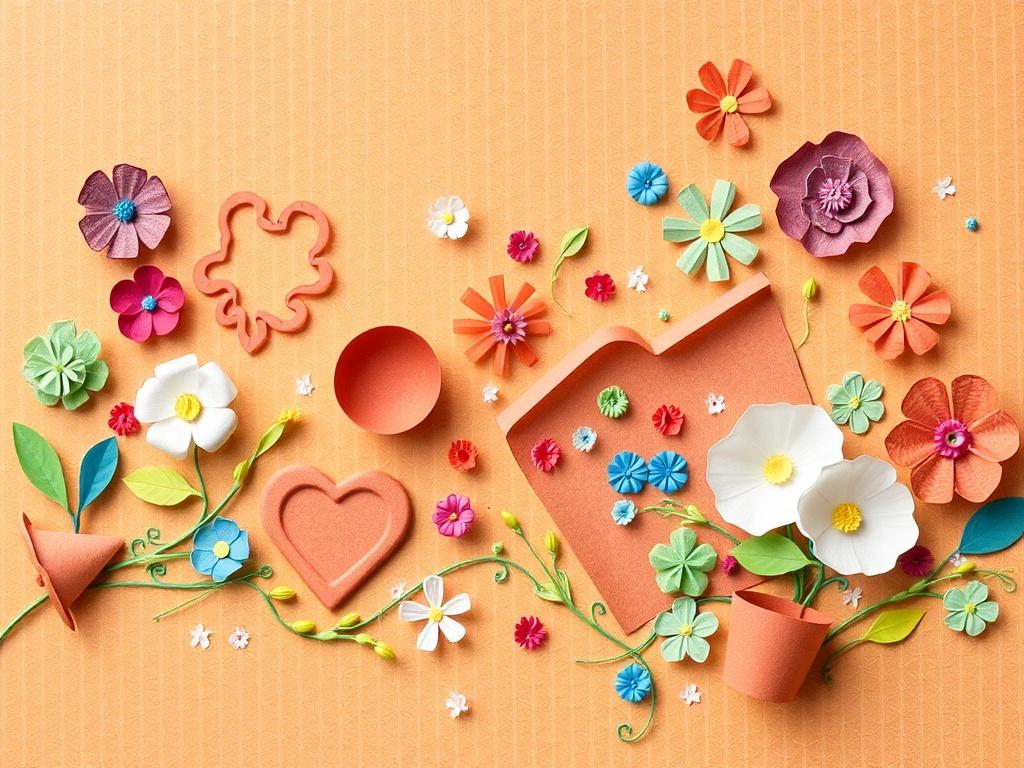
Paper craft communities are generous and practical places to learn. Join local guilds, online forums, or social media groups that focus on specific techniques like bookbinding or quilling for focused feedback.
Regular practice — even 15 minutes a day — compounds into skill and confidence. Set micro-projects that push one technique at a time rather than trying to master everything at once.
Where to find inspiration
Look beyond the craft world: architecture, textiles, and nature offer endless inspiration for paper forms and patterns. Museums, botanical gardens, and design blogs can ignite new directions for your work.
Keep a visual library — photos, swatches, and sketches — that you can return to when starting a new project. This archive becomes increasingly valuable as your style develops.
Common pitfalls and how to avoid them
Many beginners struggle with warping, brittle paper, and adhesives that show through. Simple habits prevent these issues: score heavy papers before folding, test adhesives on scraps, and keep the work area clean to avoid accidental smudges.
Another common trap is over-embellishing. A restrained approach often reads as more intentional and professional. Ask yourself which elements serve the idea and which are mere decoration.
Time management and batch work
When making multiples, arrange your workflow into batches: cut all pieces, then fold, then glue, then finish. This assembly-line approach reduces set-up time and keeps your attention focused on one type of action at a time.
Batching also helps when you’re teaching, selling, or preparing kits because it produces uniform results and predictable timelines.
Tools and techniques I still return to
Over the years I’ve found three techniques that keep returning to my work: scoring with a bone folder, hand-stitching simple books, and heat-embossing a single motif as a finishing touch.
These small habits create a consistent base quality in almost anything I make, whether it’s a quick card or a commissioned book, and they’re easy skills to teach in a single afternoon.
Resources to deepen your practice
Good books, local workshops, and targeted online courses can accelerate skill development. Look for resources that provide step-by-step photos and templates when learning structural techniques like pop-ups and binding.
Subscribe to a few focused magazines or blogs and keep a short reading list so you can return to trusted sources rather than getting lost in endless tutorials.
Where to go next with your paper work
If you’ve enjoyed cards and scrapbooking, try moving one step away from pattern paper: learn a basic bookbinding stitch, cut a kirigami lantern pattern, or make a simple pulp sheet with inclusions. Each small pivot yields new forms and language for your work.
Experiment with scaling projects up or down. Tiny objects teach precision; larger works invite architectural thinking and different tools. Both expand what a single sheet of paper can become.
Final thoughts
Paper crafting is deceptively deep. What begins as a pastime becomes, over time, a practice that sharpens your eye, hones your hand, and invites you to see everyday materials as potential stories.
Pick one technique from this article and commit to five small projects. You’ll discover that with a little time and curiosity, the flat becomes three-dimensional, the ordinary becomes meaningful, and your skills keep unfolding — one satisfying fold at a time.