Starting your first knitting project brings a rush of possibilities: colors, textures, and patterns whispering from the shelves. Picking the right yarn is the single most powerful decision you’ll make before your needles click for the first time, and it can turn a frustrating start into a joyful, steady rhythm.
This guide walks you through the practical choices—fiber, weight, gauge, care—and the subtler ones, like how a yarn feels between your fingers or how color behaves under sunlight. If you’re wondering How to Choose the Perfect Yarn for Your First Knitting Project, you’re in the right place; I’ll show how to decide with confidence rather than luck.
Why the right yarn matters more than you think
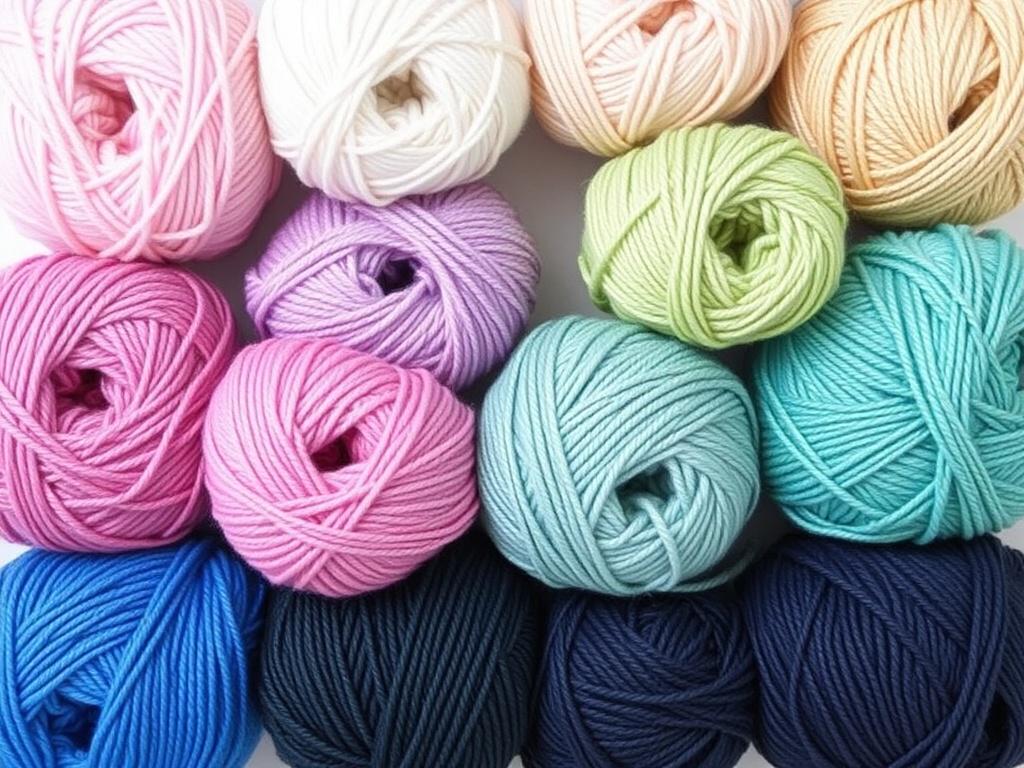
A yarn isn’t just string—it’s the personality of your finished piece. Different yarns drape, wear, and block differently, which means a sweater can feel like a blanket or like a paper cut depending on what you pick.
Beginners often blame their skills when a project looks off, but many early frustrations trace back to a mismatch between pattern and yarn. Choosing appropriately removes a lot of accidental difficulty and speeds up learning.
Think of yarn as a co-conspirator in your project: the wrong one can sabotage even a simple pattern, while the right one will make mistakes forgiveable and results rewarding.
Basic fiber categories and what they do
Fibers have distinct temperaments. Natural fibers such as wool and cotton bring warmth and breathability; man-made fibers like acrylic offer durability and easy care. Each fiber group has trade-offs worth knowing before buying a single skein.
Ask yourself what matters most: softness, warmth, washability, or longevity. Your answers will narrow the field quickly and prevent impulse purchases that sit in a closet for years.
Wool: elastic, warm, and beginner-friendly
Wool is the classic starter fiber because it has natural elasticity, stitches settle more evenly, and it blocks nicely to smooth out tension. Sheep’s wool ranges from robust aran to fine merino, and that variety gives you options for most projects.
Wool traps warmth and breathes, but it can be itchy for some skin types and often requires handwashing or gentle machine care on a wool setting. Superwash wools can be machine-washed, but they may pill faster than untreated wool.
Cotton and linen: cool, stitch-defining, less forgiving
Cotton and linen are great for dishcloths, summer garments, and projects where crisp stitch definition matters. They lack the bounce of wool, so tension mistakes stay visible and seams may gap if you’re still learning even tension.
These fibers often become softer with wear and washing, though linen can be initially stiff. For first-time garments, consider pairing cotton with a relaxed pattern or trying it on a small accessory first.
Acrylic and other synthetics: affordable, low-maintenance
Acrylic yarns are inexpensive, machine-washable, and widely available, making them tempting for beginners. They’re forgiving and durable, but some feel plasticky and may not breathe as well as natural fibers.
Modern acrylics are much improved; many mimic wool’s hand reasonably well. They’re excellent for children’s items, practice swatches, and projects that need frequent washing.
Specialty fibers: alpaca, silk, bamboo, and blends
Alpaca and silk bring luxury—aloft warmth, sheen, and drape—but they can be pricey and sometimes slippery to work with. Bamboo and tencel add sheen and a cool hand suitable for summer wear.
Blends often combine the best traits: wool for elasticity with silk for sheen, or cotton for softness with acrylic for strength. For a first project, a simple wool or wool-blend often gives the clearest learning curve.
Understanding yarn weight and what it means for your project
Yarn weight describes thickness and directly influences gauge, drape, and how quickly a project grows. Common labels range from lace to super bulky, and each weight suggests needle sizes and project types.
For beginners, worsted (medium) weight yarn is a sweet spot: it knits up at a comfortable pace, is easy to see, and works for many simple patterns like scarves and hats. However, some projects call for lighter or heavier yarns, so checking pattern requirements is essential.
| Weight category | Number | Approx. gauge (stitches per 4 in) | Typical needle size (US) | Common projects |
|---|---|---|---|---|
| Lace | 0 | 8+ sts | 000–1 (1.5–2.25 mm) | Shawls, delicate lace |
| Super fine (sock) | 1 | 7–8 sts | 1–3 (2.25–3.25 mm) | Socks, lightweight garments |
| Fine (sport) | 2 | 6–7 sts | 3–5 (3.25–3.75 mm) | Light sweaters, kids’ wear |
| Light (DK) | 3 | 5–6 sts | 5–7 (4–4.5 mm) | Sweaters, hats |
| Medium (worsted) | 4 | 4–5 sts | 7–9 (4.5–5.5 mm) | Scarves, sweaters, blankets |
| Bulky | 5 | 3–4 sts | 9–11 (5.5–8 mm) | Warm hats, thick scarves |
| Super bulky | 6 | 1–3 sts | 11+ (8 mm+) | Chunky blankets, instant projects |
Gauge: why swatching is non-negotiable
Gauge is the number of stitches and rows in a measured square, and it determines whether your finished piece fits. Knitting a swatch may feel like busywork, but it saves you from resizing and ripping a whole sweater later.
Make a swatch at least 4×4 inches, ideally 6×6 for garments, using the needles the pattern recommends. Wash and block the swatch as you would the finished item; fibers like wool can change dramatically after blocking.
If your gauge doesn’t match the pattern, don’t change the pattern—change needle size. Larger needles give fewer stitches per inch; smaller needles give more. Adjust until your swatch lines up with the pattern’s gauge before casting on.
Texture, ply, and how yarn structure affects knitting
Ply describes how many strands are twisted together and affects stitch definition and strength. A tightly plied yarn gives clear stitch borders ideal for cables, while single-ply or loosely spun yarns create a softer, haloed look suited to garter stitch scarves and cozy hats.
Textures such as boucle, eyelash, or slubby yarn are beautiful but can obscure stitch patterns and make counting difficult. For your first projects, pick something smooth and plied so you can see individual stitches and learn tension control.
Also consider the yarn’s elasticity. High-turn elasticity helps maintain stitch shape and makes correcting mistakes easier. Blends with wool or synthetic fibers tend to offer more give than pure cotton or linen.
Color choices and dye lot realities
Color changes how quickly a pattern will show and how forgiving a project is. Solid colors make stitchwork pop; variegated yarn can hide uneven tension but may obscure lace or cables. Think about highlighting your handiwork versus letting the yarn carry the visual interest.
Dye lots mean skeins from the same batch will match; buying all the yarn for a project from a single lot avoids subtle color shifts. If a yarn is hand-dyed, buy extra skeins beyond the pattern’s yardage or alternate skeins every other row to blend any differences.
Lighting matters too: natural daylight shows the truest color, while indoor bulbs can shift hues. Examine colors in different lights when possible to avoid surprises at home.
Care instructions: what you’ll actually be willing to do
Ask yourself how much maintenance you want to commit to. If you’re knitting for daily use—like a cozy hat or a baby blanket—choose fibers that stand up to washing and wear. If you’re crafting a special heirloom, hand-care and delicate fibers may be acceptable.
Machine-washable yarns reduce the stress of daily life, especially for gifts or kid’s clothing. Keep in mind that superwash treatments can dull natural fibers over time, and some cellulosic fibers may lose shape or pill after repeated washes.
Label care symbols and fiber percentages will guide you. When in doubt, prioritize ease of care for beginners to reduce fear of ruining your first finished piece.
Budgeting without sacrificing learning
You don’t need to splurge to learn—many affordable yarns are well-suited to practice projects. Save premium skeins for special projects once you’re comfortable with technique and tension.
Buy one or two skeins of a higher-quality yarn to experience the difference, but rely mainly on mid-range yarns for swatching and practicing. This gives you reference points and helps you develop an eye (and touch) for what you prefer.
If you find a pricey yarn you can’t live without, consider mixing it with a cheaper yarn in larger projects or using it for accents like cuffs and hems to stretch your budget.
Ethical and sustainable considerations
Where yarn comes from and how it’s produced matters to many knitters. Look for certifications and information on animal welfare, dyeing processes, and sustainable sourcing if those factors are important to you.
Some brands use recycled fibers or low-impact dyes; others focus on fair wages and traceability. These attributes may cost more, but they can be rewarding to support, and many sustainable options perform excellently.
Local yarn shops and small indie dyers often provide transparency and a chance to ask questions about provenance, so consider supporting local makers when possible.
Shopping in person: tips for the yarn store
Walking into a yarn shop can feel like candy for knitters. Take time to touch the yarn, fluff the skein, and run a finger along it; tactile feedback is the fastest way to decide if a yarn speaks to you.
Ask staff about gauge, needle recommendations, and whether skeins will match across dye lots. Tell them your intended project—staff can steer you away from tempting but unsuitable choices.
Bring a swatch scrap, a pattern excerpt, or even a picture of your project idea; local experts often suggest substitutions that work better and save you grief down the road.
Online buying: what to check before checkout
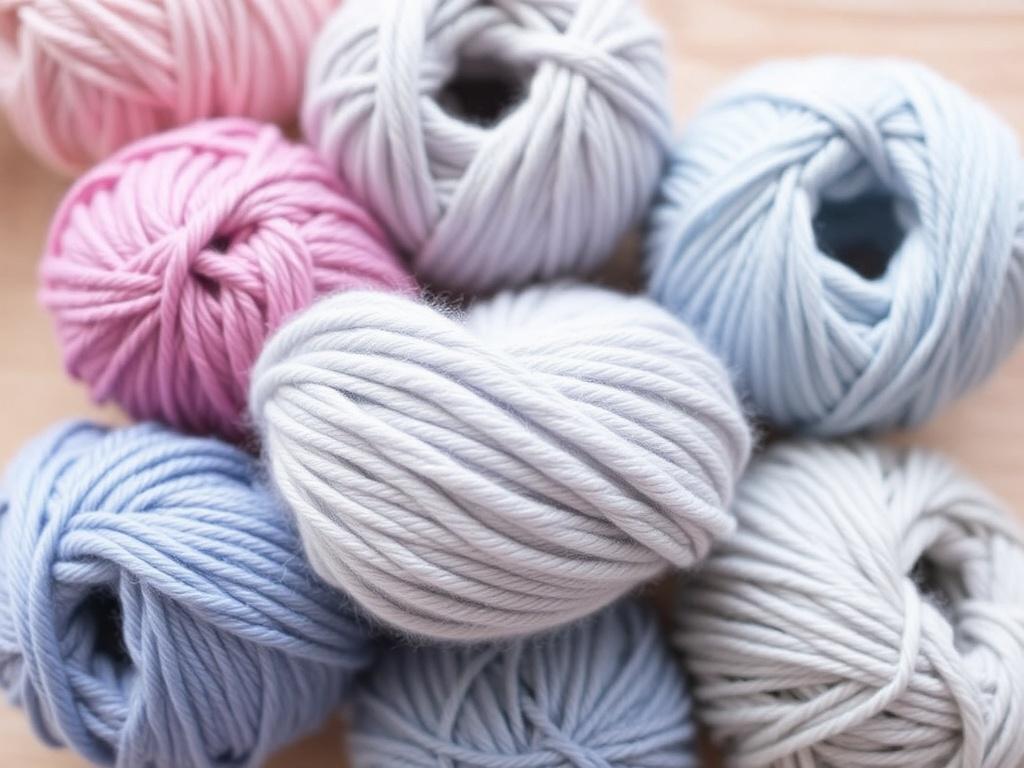
Buying yarn online opens vast choices but removes the touch test. Read the product description carefully for fiber content, weight, yardage, and recommended needle sizes. Search for customer photos and reviews to see how the yarn behaves in real projects.
Note the dyeing method: hand-dyed items can have variations; check the seller’s return policy if you need to exchange. When possible, buy one skein first to test and then order more from the same lot.
Online shops often provide color swatches or samples you can order; if you’re choosing for a garment, investing in a sample is worth the peace of mind.
Tools and extras you’ll want alongside your yarn
Along with yarn, collect a small toolkit: a set of appropriate needles, a yarn needle for weaving ends, stitch markers, a tape measure, and a pair of sharp scissors. For swatching, blocking pins and a blocking mat are surprisingly helpful.
A gauge ruler or row counter can smooth the learning curve, and a simple yarn swift and ball winder are luxuries that make winding skeins faster and tangle-free. For beginners, a basic set of bamboo needles provides grip and warmth, which many find easier to handle than slick metal needles.
Keep a small notebook or digital app to record yarn details, dye lot numbers, and swatch results so you won’t forget what worked for each project.
Project picks that keep frustration low and satisfaction high
For your first few projects, choose patterns that are forgiving and build skills gradually. Scarves, cowls, simple beanies, and dishcloths teach basic stitches and finishing without complex shaping.
Dishcloths are especially useful: they use worsted or cotton yarn, small amounts of yardage, and show mistakes clearly which helps you learn quickly. Scarves and cowls let you practice stitch consistency and knitting rhythm while producing a wearable result.
Once you’ve mastered flat pieces, move to a simple hat or a rectangular shawl that requires seaming or minimal shaping. Each project should introduce just one new skill so learning stays manageable.
Best yarn choices by beginner project
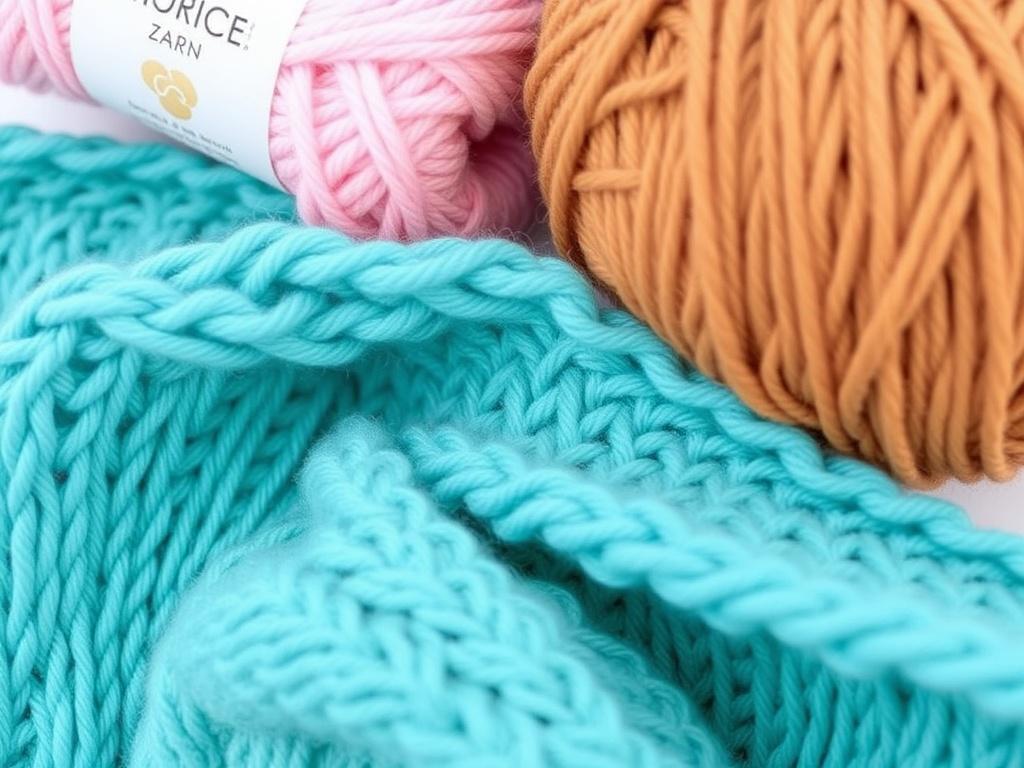
Selecting the right fiber and weight for a specific project simplifies decision-making. Below are practical pairings that work well for newcomers learning key techniques.
- Dishcloths: worsted-weight cotton for absorbency and durability.
- Scarf: worsted-weight wool or wool-blend for warmth and forgiving stitches.
- Hat: bulky or worsted wool for fast results and easy shaping.
- Baby blanket: soft acrylic or cotton blends for washability and ease of care.
- Simple sweater: DK or worsted wool-blend with good yardage planning.
These pairings balance stitch visibility, project speed, and care requirements so your first successes are satisfying and teachful.
Common beginner mistakes and how to sidestep them
One frequent error is skipping the swatch. Don’t skip it: gauge is the final arbiter of fit. A quick swatch is cheaper than a re-knit of an entire garment.
Another pitfall is choosing novelty yarns for first projects. Eyelash or wildly variegated yarns hide your stitches and make learning harder. Save them for after you’re comfortable reading and counting stitches.
Also avoid buying insufficient yardage. Finish a pattern’s yardage requirements and add 10% for margin; running out mid-project is demoralizing and can force awkward color joins.
How to test a skein in the store
When you find a yarn you like, do a quick in-store test: wrap a few yards around your fingers and knit a 4×4-inch swatch on the suggested needle size if possible. This confirms hand, color behavior, and tension tendencies before you buy a full supply.
If you can’t swatch in the shop, wind a small ball and make a 20-stitch sample at home before committing. Wash and lay it flat to see how the fiber behaves—this tells you everything about shrinkage, colorfastness, and drape.
Trust your touch: if a yarn feels scratchy now, it won’t get dramatically softer once knitted, though some fibers do bloom. Your skin’s comfort is a practical and important guide.
Swatching: how to do it so it teaches you something
Cast on about 30–40 stitches and work in the stitch pattern used in your project for at least 4 inches in height. Use the same needles and tension you intend for the final piece and measure after blocking to match pattern gauge accurately.
Record your stitch and row counts per inch and note how the fabric behaves when stretched or washed. If edges curl excessively or the stitch pattern looks uneven, consider switching fibers or adjusting needle size.
Swatches are also great for trying colorwork or texture before committing. They save time and heartbreak—and they’re a legitimate part of the process, not optional busywork.
Adapting a pattern when you love a different yarn
If you fall for a yarn that doesn’t match the pattern’s specifications, you can adapt by adjusting needle sizes, altering stitch counts, or changing the project size. Measure your swatch carefully and recalculate until the fabric behaves like the pattern expects.
For garments, consider adjusting ease: a sweater can be made slightly more oversized to accommodate a thicker yarn. But for fitted pieces, matching gauge is critical, and sometimes the simplest choice is to find a pattern written for your chosen yarn weight.
When in doubt, ask the knitting community or shop staff—experienced knitters often have clever substitutions that preserve the pattern’s intent while using a different yarn.
Personal lessons from my first knitted sweater
I remember choosing a lofty alpaca for my very first sweater because it looked luxurious in the skein. Halfway through, I discovered the yarn had almost no elasticity and the fabric sagged around the shoulders.
After frustrating evenings of reworking, I learned to match fiber properties to garment needs: wool for structure, alpaca for drape and accents. That one painful project taught me the value of patience and swatching more than any tutorial ever could.
Since then I always make at least two swatches—one as the pattern prescribes and one on a different needle size—so I can feel confident before committing to a large project.
How to handle gifted or leftover yarn
Leftover skeins and gifted yarn can become treasures if you plan carefully. Keep a record of fiber content and yardage and use small projects like hats, mitts, or colorwork accents to use them up creatively.
For mismatched colors, consider techniques like mosaic knitting or slip-stitch patterns that blend hues elegantly. Stripes are always a forgiving way to combine different fibers in one piece.
If you inherit large quantities of a single yarn but not enough for a garment, consider community projects, donations, or collaborative quilts to make good use of the material.
Common questions newcomers quietly ask
Many beginners worry about “ruining” yarn by blocking or washing; most yarns meant for garments can handle gentle care if you follow the label. When unsure, err on the side of gentle handwashing and flat drying to preserve shape and texture.
Another common concern is whether to invest in luxury fibers right away. You can learn core skills on modest yarns and reserve splurges for projects you’ll wear and treasure, which makes those luxuries more rewarding when you’re ready.
Finally, if a yarn seems too beautiful to use, remember that knitting it into something wearable lets you enjoy it every day—that’s the real point of beautiful yarn.
Quick checklist to bring to the yarn store
- Know your project and required yarn weight or pattern name.
- Bring a swatch or pattern gauge if you’ve started testing.
- Check fiber content for care and allergies.
- Buy enough skeins from the same dye lot; add 10% extra yardage.
- Ask staff for substitution advice if unsure.
Having this checklist keeps shopping focused and reduces the impulse to buy for the sake of beauty alone. It also ensures your project starts on a practical foundation.
Final tips to make your first knitting experience smooth
Start with yarn that is smooth, medium-weight, and has clear stitch definition. It will be forgiving when you miss a stitch and will show your progress clearly, which encourages steady practice.
Match your yarn choice to how often you’ll wear or wash the finished item, and prioritize ease of care for gifts and everyday pieces. Learning on accessible yarn makes the craft feel less fragile and more like play.
Keep a small sample library of yarns you try; over time you’ll develop favorites that suit your hands and projects. Trusting your tactile judgment grows with experience and saves you from unnecessary experiments.
Choosing yarn is part science, part taste, and part intuition—each skein teaches you something and makes the next choice easier. Use swatches, ask questions, and let practical needs guide your taste, and your first projects will be both educational and wonderfully wearable.
When you’re ready to cast on, you’ll have more than a pretty skein in your hands: you’ll have a plan, a tested gauge, and the quiet confidence that comes from knowing How to Choose the Perfect Yarn for Your First Knitting Project without second-guessing every stitch.