There’s a special kind of chaos that follows craft supplies: colorful paper peeking out of stacks, jars of buttons rolling across the floor, scissors that go missing at the moment inspiration strikes. Organizing a craft room can feel overwhelming, especially when you want to avoid spending a fortune. This guide walks you through practical, tested strategies to reclaim your space without emptying your wallet.
Begin with a plan: assess what you have and what you need
The first step is honest inventory. Lay everything out—paints, yarn, glue guns, tools—and take quick notes on quantities and frequency of use. Seeing supplies spread across a table makes it plain which items are hoarded, which are essentials, and which can be donated or discarded.
Set realistic priorities. Do you need a dedicated sewing zone, a work table for paper crafts, or storage that keeps kids out of delicate tools? Decide which activities are most important and plan the room around those core functions. This prevents buying generic storage that won’t support your main projects.
Finally, set a budget limit and a timeline. Even a modest cap like $100 or $300 focuses choices and encourages creative solutions. A clear deadline—an afternoon, a weekend, or a week—keeps the project from stretching out indefinitely and lets you enjoy the benefits sooner.
Declutter with purpose: keep, donate, or rehome
Decluttering isn’t just about getting rid of things; it’s about making space for the projects you actually care about. Create three labeled boxes: keep, donate/sell, and recycle/trash. Be decisive when items haven’t been used in a year and there’s no sentimental reason to keep them.
For specialty or duplicate items, consider a “maybe” box stored out of sight for 30–60 days. If you don’t retrieve anything, those items move to donate. This buffer reduces buyer’s remorse while preventing clutter from returning immediately.
Donate usable supplies to schools, community centers, or local craft groups. You’ll free space and help others—plus you’ll likely avoid the time and hassle of selling small items individually. Take pictures of particularly nice items before donating if you want to remember what you gave away.
Zone your room: design for how you work
Zoning is arranging the room into areas dedicated to single tasks: prep, make, store, and finish. Separating functions reduces time wasted moving between activities and keeps frequently used supplies within arm’s reach of the work area. Think of your craft room as a small studio: each zone should have a clear, practical purpose.
Create a cutting and prep zone with a sturdy surface and good lighting. Reserve a separate assembly area for glueing and messy work, ideally on a surface that’s easy to clean. If you sew, make a sewing zone with machine access to outlets and a flat area for fabric layout.
Storage zones belong against walls or above work areas. Use vertical space to store bins and shelves so your central floor area remains clear. Even a narrow shelf above a desk can hold frequently used tools without crowding your workspace.
Work zones: placement and ergonomics
Place your main work table where natural light is best, or supplement with an adjustable desk lamp. Comfortable seating and the right table height prevent fatigue and help you enjoy longer creative sessions. A chair with wheels and adjustable height is a very small splurge that pays off in productivity.
Keep the top of your work surface relatively uncluttered—store supplies nearby, not on it. A small caddy or tray for project-in-progress will stop stray bits from spreading all over the table, so cleanup is quicker and less painful.
Storage zones: daily use vs. long-term
Split storage into daily-use and long-term. Daily-use items live in easy-to-reach containers at desk level. Long-term supplies—seasonal fabrics, backup paints, finished pieces—can go higher up or in closed cabinets. This prevents deep storage from becoming a messy black hole.
Label shelves and bins according to how often you use them. That visual cue makes it easier to maintain order and teaches others in the household where things belong when they help put stuff away.
Smart storage solutions that won’t break the bank
There’s a lot of inexpensive storage that looks tidy and performs well. Clear plastic bins, shoe organizers, small parts drawers, and rolling carts are affordable and widely available. Prioritize visibility and accessibility: being able to see what you have reduces impulse repurchases and saves time hunting for materials.
Use uniform containers where possible—the eye appreciates consistency. Matching bins from a big-box store create a cleaner look and stack more securely than mismatched boxes. That doesn’t mean everything needs to be brand new; thrifted or donated containers work fine when cleaned and relabeled.
Open shelving is often cheaper than closed cabinets and gives instant access to supplies. Add baskets or bins to keep small items from scattering. If dust is a concern, use clear plastic lids or keep delicate items inside fabric-covered boxes.
Vertical storage and wall systems
Wall space is underused in many rooms. Pegboards, slat walls, and hanging rails keep tools in plain sight and off work surfaces. Pegboards are affordable, customizable, and ideal for frequently used tools like scissors, rulers, and paintbrushes. Hooks and baskets transform a simple pegboard into a highly functional organizer.
For a refined DIY look, paint a pegboard to match the room, or insert it into a framed area above your desk. Pegboard hardware is inexpensive and can be relocated as your needs change, so it’s a flexible long-term solution.
Clear containers and stackables
Clear containers are the unsung heroes of craft organization. They remove guesswork and reduce duplicate purchases because you can see quantities at a glance. Use small clear boxes for beads and hardware, medium tubs for yarn and ribbon, and larger bins for fabric and bulk paper.
Look for stackable containers with secure lids so stacks don’t topple. Label both the front and the top of each stack to make retrieval easier when containers are nested or piled in a closet.
Budget-friendly storage ideas: a comparison table
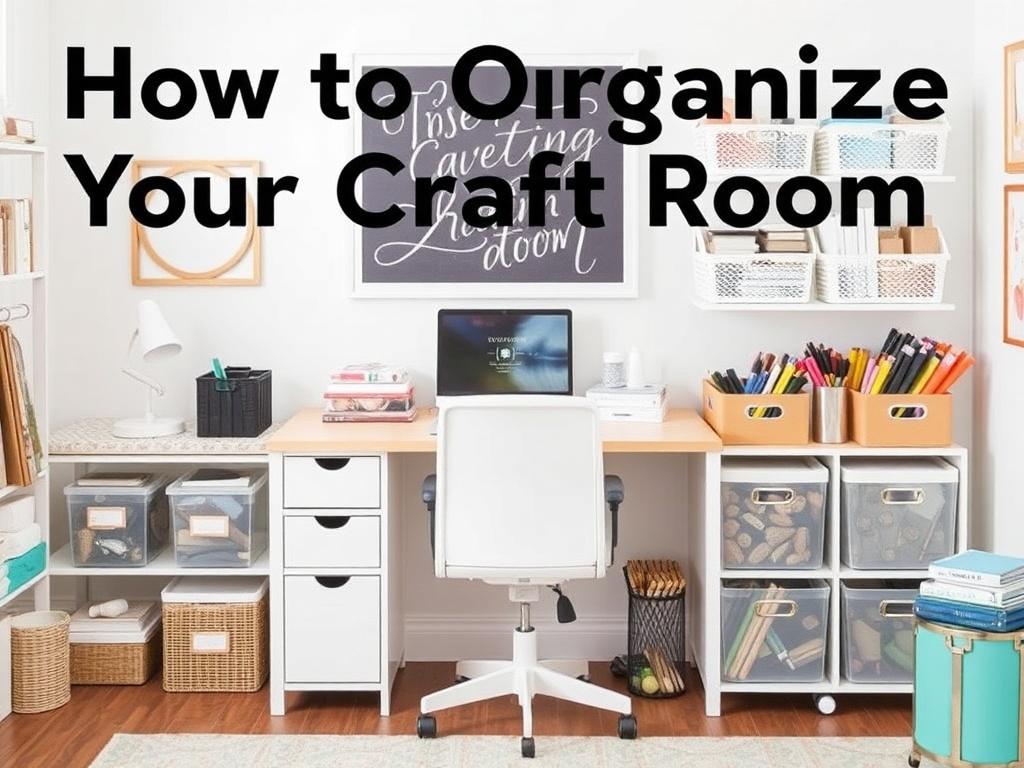
Below is a compact comparison of common low-cost storage options to help you decide where to spend and where to save. Prices are approximate and reflect typical retail or thrift-store costs.
| Storage type | Estimated cost | Best use | Pros | Cons |
|---|---|---|---|---|
| Pegboard | $10–$30 | Tools, scissors, rulers | Visible, customizable | Requires wall mounting |
| Clear plastic bins | $1–$10 each | Paper, fabric, yarn | Affordable, stackable, visible | Can look utilitarian |
| Rolling cart | $15–$50 | Project supplies, paints | Mobile, fits small spaces | Limited weight capacity |
| Thrifted shelving | $5–$60 | Bulk storage, baskets | Cheap, sturdy options | May need refinishing |
| Drawer organizers | $2–$15 | Beads, small tools | Neat, compartmentalized | Small items can get lost without labels |
Repurpose and DIY: creative fixes that save money
Before buying new, look around your home for repurposeable items. Mason jars, cereal boxes wrapped in fabric, ice cube trays for beads, and old picture frames turned into pinboards can all be adapted for craft storage. These solutions are inexpensive and add character to your space.
I once converted an old dresser into a paper and ribbon station by removing a few drawers and adding tension rods. It cost me under $30 to refinish and repaint, and the result was custom storage that suited my workflow perfectly. Small DIY projects like that stretch a tight budget into a tailored solution.
Simple hardware-store buys—hooks, screws, adhesive strips—can transform household items into efficient organizers. A wooden cutting board becomes a flat tool caddy with a few cup hooks. An unused spice rack can hold rolls of washi tape. Think laterally and you’ll be surprised what functions can be repurposed.
DIY organizers to consider
Make a fabric ribbon dispenser from a shoe box and dowel to keep ribbons tangle-free. Craft a vertical fabric holder from a skirt hanger to store different types of fabric in one place. Use cereal boxes cut to the right height and wrapped in decorative paper to create instant magazine holders for pattern books and instruction leaflets.
For small hardware and beads, an ice cube tray or pill organizer is perfect. Attach small magnetic strips to the inside of a cabinet door and use metal spice tins or magnetic jars to hold sequins and fasteners. These tiny touches keep bits from scattering and add joy to the clean-up process.
Labeling and inventory systems that actually work
Labels are more powerful than storage containers. A label tells you where things belong, speeds cleanup, and prevents the “I’ll put this here for now” syndrome that leads to clutter. Keep labels simple: category, color, or project name is usually enough. Use a consistent label style for clarity.
Maintain a running inventory spreadsheet or a dedicated notebook for costly or rare supplies. Note quantities and project destinations. This is low effort and pays off by preventing duplicate purchases and helping you plan future projects with what you already own.
A quick nightly five-minute tidy-up and relabeling session keeps order sustainable. You don’t need a complicated system—just one that you actually use consistently.
Practical labeling tools
Use a label maker, washi tape with a permanent marker, or printable labels for a polished look. Waterproof labels are worth the extra few dollars for items stored in humid garages or basements. For quick changes, removable labels or sticky notes work well until you decide on a permanent home.
Label both the outside of bins and their lids so you can identify contents in a stack. For clear containers, a small front-facing label is usually sufficient, but marking the top speeds retrieval if bins are shelved in piles.
Paper, fabric, and small parts: storage by material
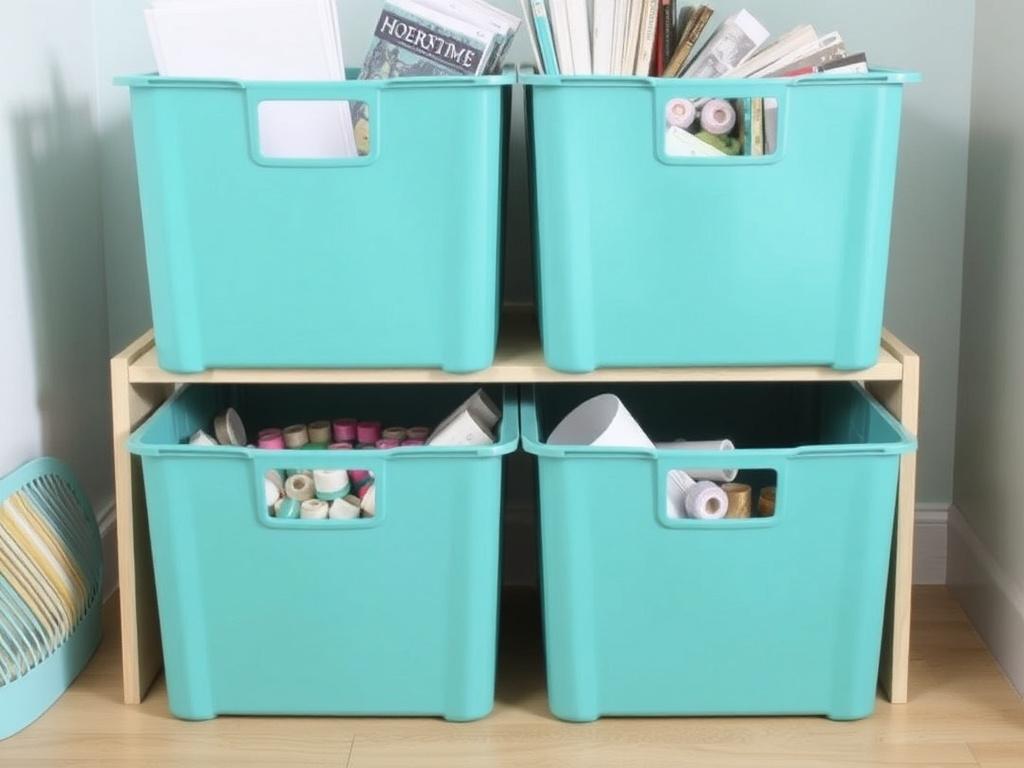
Paper needs flat, shallow storage to prevent curling and damage. Use large shallow drawers, under-table flat bins, or a magazine rack for scrapbooking paper and card stock. Sort paper by size and color to make finding the right sheet fast and enjoyable.
Fabric benefits from being visible and folded consistently. Store quilting cotton by color or project, and heavier upholstery fabrics on higher shelves. For long-term storage, avoid plastic tight-seal tubs that trap moisture; breathable fabric bins or acid-free archival boxes are better for delicate materials.
Small parts—beads, snaps, brads—are easiest kept in divided organizers. Craft-specific organizers with adjustable compartments are affordable and prevent the “shake and mix” disasters that send tiny bits across the floor. Keep an extra tray handy for sorting during a project.
Tools and equipment: where to place heavy or expensive items
Keep expensive tools like cutting machines or sewing machines on sturdy, dedicated surfaces. If they’re heavy, place them on lower shelves or stable cabinets rather than flimsy carts. Consider adding caster locks to rolling units to prevent accidental movement while you work.
Group heavy or sharp tools together in a secure area and keep them out of reach of children if your home is shared. A lockable drawer or a high shelf with a childproof latch is a modest safety investment that protects both belongings and family members.
Make power access simple by consolidating tools that need electricity near outlets. Use cord organizers and surge protectors to keep cords tidy and reduce tangling. Label cords if you have several similar-looking chargers to avoid unplugging the wrong device mid-project.
Maintenance routines: small habits, big results
Consistency makes an organized craft room last. Set a weekly ten-minute tidy session to return stray items to their homes. Small, regular maintenance beats marathon cleanups that feel daunting and unsustainable.
Adopt a one-in, one-out rule for supplies that are inexpensive or likely to replicate. If you buy a new pack of brushes, consider donating a worn set you no longer use. This habit keeps accumulation in check and teaches mindful consumption.
Create a project-closure routine: when a project is finished, put leftover supplies back into their labeled containers and snap a photo of the finished work for your archive. This prevents half-done projects from becoming permanent fixtures in your workspace.
Shopping smart: where to buy and what to skip
Thrift stores, yard sales, and estate sales are goldmines for inexpensive shelving, jars, and vintage finds that add personality to a craft room. I once found a solid wooden shelf for $12 that I stripped and painted; it’s still the backbone of my storage system. Keep a flexible eye when shopping secondhand—you’ll often snag sturdier pieces at a fraction of retail prices.
Dollar stores are great for basics like glue sticks, basic bins, and trays, but quality varies. For items that take repeated use—rotary cutters, heavy scissors—invest a bit more in a well-reviewed tool. Spending more on a tool that lasts years saves money and frustration long term.
Watch clearance sections and end-of-season sales at big craft retailers. Sign up for newsletters from stores you like; coupons and targeted discounts can make mid-range storage solutions affordable. Also consider local community swaps or Facebook Marketplace for bargains close to home.
Adapting small or shared spaces
When space is at a premium, vertical and foldable solutions are essential. A wall-mounted fold-down table provides a full workspace when needed and disappears when not. Over-the-door shoe organizers are perfect for paints, glue, and small bottles in shared rooms.
If your craft area doubles as another room, use stylish storage that blends with decor. Woven baskets, closed cabinets, and fabric-covered boxes keep clutter contained and maintain a tidy look when guests visit. Choose storage that looks intentional rather than temporary to keep the room feeling restful.
When sharing space, create clear boundaries by assigning shelves or bins to each person. Labels, color-coding, and simple rules about shared tools reduce conflict and ensure everyone knows where to return items after use.
Personal case study: how I organized my tiny studio for under $150
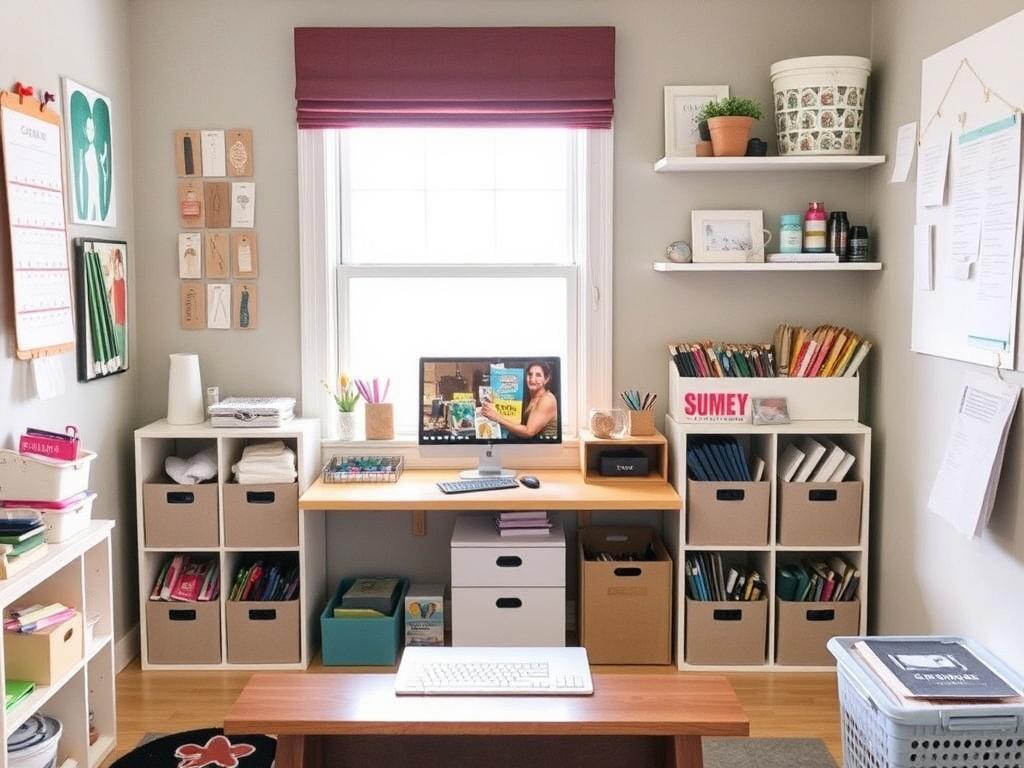
My first dedicated craft room was the size of a walk-in closet, so I had to be resourceful. I started by decluttering and donating supplies I hadn’t used in two years. That freed up a surprising amount of space and gave me momentum for the next steps.
I bought a pegboard from the hardware store for about $12, a used baker’s rack from a thrift shop for $20, and a set of clear bins from a discount store for about $25 total. I repurposed an old dresser, removing drawers to create cubbies and adding baskets for fabric. The total spend was roughly $140, including paint and hooks.
The result was a highly functional area with accessible storage, a clear work surface, and a system I could maintain. The low cost made the changes feel sustainable, and the time invested in planning paid off in daily efficiency and enjoyment.
One-day overhaul: a practical checklist and timeline
Set aside a full day and use the following steps to transform a messy craft nook into a usable workspace. This timeline keeps the job focused and realistic, letting you complete the overhaul quickly and with minimal stress.
- Morning: Clear the room and sort into keep, donate, and trash piles (2 hours).
- Late morning: Deep clean surfaces and assess available shelving and walls (1 hour).
- Early afternoon: Install pegboard or mounting hardware and set up major storage pieces (1–2 hours).
- Mid afternoon: Place clear bins and label them; arrange daily-use items within reach (1 hour).
- Late afternoon: Final clean-up, photograph the new layout, and store donate items in your car for immediate drop-off (1 hour).
This schedule is a template. Adjust times to fit the size of your space and the amount of clutter. The important part is to maintain momentum and finish the day with a clean, organized room that feels usable immediately.
Keep it flexible: adjust systems as projects change
Your craft needs will evolve. A seasonal project might require a temporary reconfiguration of storage; that’s fine. Build flexibility into your system with modular shelving, removable baskets, and mobile carts. The easier it is to change, the more likely you’ll adapt rather than abandon an organizational scheme.
Every six months, revisit your inventory and layout. Small tweaks—moving a bin closer or swapping a shelf for a drawer—can dramatically improve the way you work. An organized room should evolve with your creativity, not restrict it.
Organizing your craft room on a budget isn’t a single act but a series of small, intentional choices—purging what you don’t use, adapting what you already own, and investing selectively in key pieces that improve workflow. Start with a plan, use a mix of thrifted, DIY, and affordable new items, and commit to tiny maintenance habits that keep the system working. With patience and a few creative hacks, your craft space can become the efficient, inspiring studio you’ve been dreaming of.