Learning to sew can feel like learning a secret language: mysterious stitches, a humming machine, and suddenly a rectangle of fabric becomes something useful.
This collection of straightforward projects is designed to guide someone who has never threaded a needle through a machine toward quick wins and growing confidence.
Each project here teaches one or two core skills—straight seams, gathering, inserting elastic, or adding a zipper—so you build a toolkit of techniques without getting overwhelmed.
Before you begin: basic supplies and a simple sewing vocabulary
Start with a few reliable tools. A basic domestic sewing machine, a pair of fabric scissors, pins or clips, a seam ripper, measuring tape, and a washable fabric marker will cover most beginner needs.
Choose midweight cotton fabrics to practice on; they’re stable, inexpensive, and forgiving. Muslin or quilting cotton are excellent for first projects because they press well and feed smoothly through a machine.
Learn a handful of terms before you sew: seam allowance (the distance between the stitch line and the fabric edge), right sides (the side meant to be visible), and grain (direction of the fabric threads). Understanding these will save you from common mistakes.
Essential tools
Here’s a compact checklist to keep by your sewing space.
- Sewing machine (basic features: straight stitch, zigzag stitch, reverse)
- Pins or sewing clips
- Fabric scissors and small snips
- Measuring tape and a clear ruler
- Seam ripper and iron with an ironing board
- Thread in neutral colors, assorted needles, and a few spare machine needles
Having these on hand means you won’t stop mid-project to hunt for a tool, which keeps momentum—and enjoyment—going.
Quick skills to practice before starting projects
Spend an hour making a few sample seams on scrap fabric. Sew straight lines at a consistent seam allowance and try a few backstitches to lock the ends.
Practice pivoting at corners by leaving the needle down, lifting the presser foot, turning the fabric, and lowering the foot to continue sewing. That small motion makes crisp corners possible.
Finally, test tension and stitch length on scrap to make sure stitches look even and fabric isn’t puckering. Adjusting tension is part of the learning curve but it becomes intuitive with practice.
Project 1: simple pillow cover (envelope style)
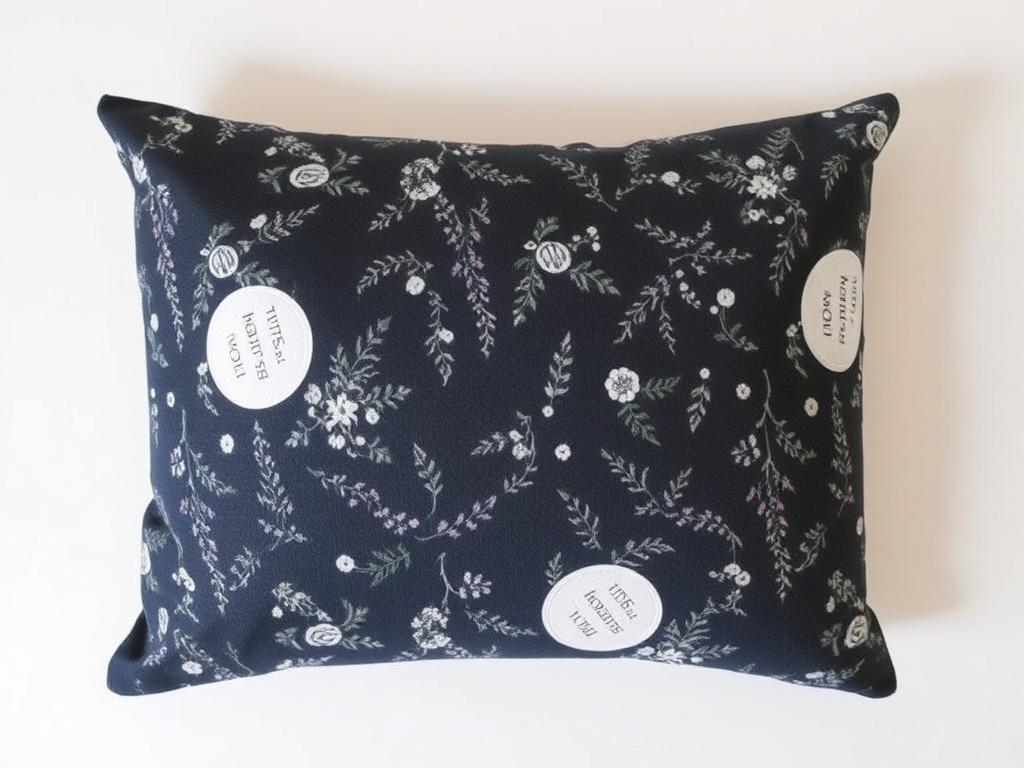
A pillow cover is one of the most satisfying first projects: quick construction, visible results, and room to experiment with fabric patterns.
This version uses an envelope closure so you won’t need a zipper. It teaches measuring, straight sewing, and basic pressing techniques.
Materials
For one standard 18-inch pillow cover you’ll need roughly 1/2 yard of fabric for the front and 1/2 yard for the back, or a single yard if your fabric is wide enough.
- 18-inch pillow insert
- 1 yard cotton or linen (or two coordinating fabrics)
- Thread to match
- Pins, iron, measuring tape
Step-by-step
- Cut one front piece 19″ x 19″ (add 1″ total for seam allowances) and two back pieces 19″ x 12″ each.
- Hem the long edges of the two back pieces by folding 1/4″ then 1/2″, pressing and sewing close to the inner fold.
- Place the front piece right side up, align the two back pieces on top with right sides down, overlapping in the center to form the envelope.
- Pin around the edges, sew a 1/2″ seam all the way around, and clip corners. Turn right side out and press. Insert pillow.
Tips and troubleshooting
If corners are bulky after turning, trim the fabric diagonally near the seam before turning to reduce bulk and get crisp points.
Use contrasting fabric for the back pieces if you want a cheeky peek of pattern when the pillow sits on a sofa; it’s an easy way to practice color blocking without extra difficulty.
Project 2: gathered drawstring bag
A drawstring bag is perfect for gifts, organizing craft supplies, or storing shoes for travel. It introduces gathering and channel casing—simple skills that open doors to skirts, hooded bags, and more.
This project can be made in 30–45 minutes and gives you a sense of how fabric behaves when you add fullness.
Materials
Choose a sturdy cotton or quilting weight fabric for durability. You’ll also need cord or ribbon for the drawstring and a safety pin to thread it.
- Fabric: two rectangles 12″ x 16″ (for a medium bag)
- Cord or ribbon 40″–60″
- Thread, pins, iron
Step-by-step
- With right sides together, sew the two side seams of the bag, leaving the top open. Press seams open or to one side.
- Fold the top edge down 3/4″ and press, then fold again 1″ to create a casing. Stitch close to the lower fold, leaving a 2″ gap to insert the drawstring.
- Attach a safety pin to one end of the cord and thread it through the casing, out the gap, and then back through the other side of the casing so the ends meet.
- Tie knots at the cord ends or add decorative beads. Turn bag right side out and cinch closed.
Tips and variations
To make a lined bag, cut two sets of rectangles: sew each set into a bag, stop near the top, tuck one bag inside the other right sides together, sew around the top edge, and turn through the opening.
Gathering becomes neater with two rows of basting stitches: sew two parallel long stitches near the top with long stitch length, then pull the bobbin threads to gather evenly before sewing the casing.
Project 3: zipper pouch (boxy or flat)
Adding a zipper feels like leveling up, but a small pouch is forgiving and an excellent zipper primer. Make a flat pouch for cosmetics or a boxy version for chargers and cables.
Expect to practice sewing close to the zipper teeth and handling right-side/ wrong-side placements—skills you’ll use in bags and garments.
Materials
Choose two coordinating fabrics for outer and lining, and select a zipper slightly longer than the pouch width.
- Outer fabric and lining: two rectangles 10″ x 7″
- Zipper 8″–9″
- Thread, small clips, optional interfacing for structure
Step-by-step for a flat pouch
- Place zipper face down on the right side of the outer fabric along the top edge. Align the lining on top, right side facing the zipper. Pin or clip and sew with a zipper foot.
- Flip fabric so outer right side is up and press. Repeat for the other side of the zipper with the remaining pieces.
- Open the zipper halfway, then sew around the three remaining sides with right sides together, leaving a small opening in the lining for turning if needed.
- Turn right side out through the zipper, poke out corners, and press. Hand-stitch the lining opening closed or sew topstitch around the zipper to finish.
Tips for neat zipper insertion
A zipper foot is worth the small investment; it lets you sew very close to the teeth and gives a professional finish. Go slowly and keep the fabric flat to avoid puckers.
If your zipper is longer than the pouch, leave some length and stitch across the excess, then trim. For boxy pouches, create boxed corners by measuring and sewing small triangles at the bottom corners before turning.
Project 4: simple tote bag
A tote is a wardrobe staple and a brilliant canvas for learning straight seams, topstitching, and attaching handles. It’s quick enough to finish in an afternoon and becomes a go-to bag for groceries or books.
Use canvas, denim, or a sturdy quilting cotton for the outer fabric and a lighter cotton for the lining.
Materials
Decide on size first: a useful everyday tote is around 14″ tall by 14″ wide with 4″ depth. Cut two outer pieces and two lining pieces to this size, plus handles.
- Outer fabric 14″ x 14″ (two pieces)
- Lining fabric same size (two pieces)
- Handles: two strips 4″ x 24″ or store-bought webbing
- Thread, interfacing if desired for structure
Step-by-step
- Sew outer pieces right sides together on three sides, then repeat for lining but leave a 4″ opening in the lining base to turn the bag later.
- Create boxed corners by flattening the bottom corner so the side seam and bottom seam align, measure 1.5″ in from the point, sew across perpendicular to the seam, and trim the excess triangle. Repeat on all corners.
- Turn the lining right side out and insert it into the outer bag (outer right side is out, lining right side in). Match side seams and clip.
- Fold the top raw edges together and topstitch all the way around, attaching the handles as you go by sandwiching the handle ends between the layers and stitching reinforced rectangles.
- Close the lining opening with a ladder stitch or a neat top stitch and press the top edge for a crisp finish.
Durability and styling
Topstitching reinforces the top and gives a polished look. If you plan to carry heavy items, add a layer of fusible interfacing to the outer pieces before construction for extra body.
Try contrast handles for a modern look or add an internal pocket by sewing a small rectangle of fabric onto one lining piece before assembling.
Project 5: elastic-waist skirt
Making a simple gathered skirt with an elastic waist is a direct route into garment sewing. The pattern is forgiving, and you’ll learn measuring for fit and working with elastic casings.
This project can be adapted for any size by changing the waist measurement and length without complex pattern drafting.
Materials
Light to medium-weight woven fabric works best; knits can be used but behave differently. Measure your waist and decide on skirt length before cutting fabric.
- Fabric: width should be 1.5–2 times your hip measurement for gathers
- 1″ or 1.5″ elastic to match your waist measurement plus overlap
- Thread, pins, safety pin
Step-by-step
- Cut a rectangle equal to your desired finished length plus 2″ for hems and a width that’s 1.5–2x your hip measurement for gathers.
- Sew the short ends together to create a tube. Press the seam open. Hem the bottom by folding 1/4″ then 1/2″ and stitching close to the fold.
- Fold the top edge down to create a casing: fold 1/4″ and press, then fold another 1″ or enough to accommodate your elastic. Stitch the casing close to the lower fold, leaving a 2″ gap to insert elastic.
- Attach a safety pin to the elastic and thread it through the casing, overlapping the ends by 1″–2″ and sewing them securely. Close the casing opening and adjust gathers evenly.
Fit tweaks and styling
If the skirt feels bulky at one side, redistribute the gathers by sliding the elastic while the skirt is on. You can also add side pockets before sewing the tube for a functional upgrade.
For a smoother look, reduce the gather ratio. For more drama, double the fabric width and enjoy fuller gathers and a twirly silhouette.
Project 6: reversible apron
An apron is practical, quick to cut and sew, and presents a chance to practice making neat edges and attaching straps. A reversible version teaches finishing seams so both sides are presentable.
This project scales easily from child to adult sizes and makes a thoughtful handmade gift.
Materials
Choose two coordinating medium-weight fabrics so both sides feel substantial. You’ll also need waist and neck ties—either made from fabric or purchased webbing.
- Two rectangles for the body: 28″ x 22″ (adult) in each fabric
- Two waist ties 4″ x 40″, one neck tie 4″ x 30″
- Thread, pins, iron
Step-by-step
- Place the two apron body pieces right sides together and sew around the perimeter, leaving a 6″ opening on a side for turning.
- Clip the corners, turn the apron right side out through the opening, push out corners, and press the edges flat, folding the opening seams inward.
- Topstitch around the entire apron close to the edge to close the opening and create a finished look. Attach ties by tucking ends into the side seams and sewing reinforced rectangles.
- Add a pocket by placing a rectangle on one side before assembling and stitching around three sides, then topstitch the top edge for reinforcement.
Design notes
Selecting a solid for one side and a pattern for the other gives you two looks in one apron. If you like a cleaner finish, add a narrow strip of interfacing to the pocket for stability.
When attaching ties, triple-stitch the connection points to handle stress from pulling and wear—this small step extends the life of your apron considerably.
Project 7: set of cloth napkins and placemats
Making napkins and placemats is the quickest way to elevate everyday meals and learn precise cutting and edge finishing. They’re also ideal first projects for practicing mitred corners or narrow hems.
These pieces make excellent starter gifts and help reduce waste compared with disposable napkins.
Materials
Use cotton or linen for napkins and heavier weight linen or canvas for placemats. Decide sizes beforehand: napkins are commonly 18″ or 20″ square, placemats around 14″ x 18″.
- Fabric pre-washed and ironed
- Thread to match, pins, iron
- Optional: fusible interfacing for placemats
Step-by-step for napkins
- Cut squares slightly larger than desired finished size, allowing 1/2″–1″ overall for hems.
- Fold the edge 1/4″ then 1/4″ again to encase the raw edge, press, and pin. Sew close to the inner fold all the way around.
- To get crisp, even corners, press each corner neatly before stitching and use small, careful stitches as you sew around.
Finishing touches and care
Wash and iron napkins after the first laundering to soften the fabric. Linen develops a lovely lived-in look over time, while cotton will retain a crisper finish with more pressing.
Create a set with mixed patterns and solids for an inviting table. If you’re making placemats, consider adding a thin batting layer and quilting a simple stipple or straight lines for texture.
Project 8: fabric coasters and mug rugs
Small-scale projects like coasters and mug rugs are ideal for learning to handle layers, sew through multiple thicknesses, and try quilting without a long commitment.
They’re great use for fabric scraps and make quick, satisfying gifts when paired with a favorite mug or a bag of coffee.
Materials
Use cotton for top and bottom layers plus a thin piece of batting or thick interfacing for absorbency. Aim for finished sizes of 4″–6″ square for coasters and 7″–9″ for mug rugs.
- Two squares of fabric per coaster plus batting
- Thread, pins, optional decorative trim
Step-by-step
- Layer fabric right side up, batting, and backing right side down. Pin or use basting spray to hold layers together.
- Sew around the perimeter with a 1/4″–1/2″ seam allowance, leaving a small opening for turning, or leave open and topstitch if you prefer not to turn.
- Turn right side out if applicable, press edges, and topstitch close to the edge to close the opening and secure the layers.
Decorative ideas
Experiment with patchwork tops by sewing small strips together before layering. Decorative topstitching or simple quilting lines add texture and help the coaster hold shape after washing.
For longevity, use a water-resistant backing or treat coasters as hand-wash items to prevent frequent shrinkage and maintain crisp edges.
Project 9: scrunchies and headbands
Scrunchies return style with gentle hair care, and sewing them is nearly instant gratification. You’ll learn narrow casings, handling elastic, and finishing small tubes of fabric.
Headbands introduce slightly longer constructions and often include interfacing or elastic inserts for fit—still friendly for earliest sewing sessions.
Materials
Choose silky or cotton fabrics depending on the look you want. For scrunchies use 3″ x 18″ strips; for headbands the dimensions will depend on the wearer’s head circumference.
- Fabric strips, 3″ x 18″ for scrunchies
- Elastic 1/4″ wide, 8″ for scrunchies
- Thread, safety pin
Step-by-step for scrunchies
- Fold the fabric strip lengthwise right sides together and stitch along the long edge with a 1/4″ seam, creating a tube. Turn right side out.
- Insert elastic with a safety pin, sew the elastic ends together securely, then tuck the elastic seam into the fabric tube and sew the tube ends together with a slip stitch or topstitch them closed.
- Adjust fabric gathers evenly around the elastic and admire the instantly charming result.
Customization and care
Silk scrunchies extend hair health by reducing friction. Cotton varieties work well for everyday use and are machine washable. For headbands, consider adding a small piece of interfacing to the center for shape retention.
To make a reversible headband, sew two strips right sides together, leave an opening, turn and slipstitch closed, then topstitch for a clean finish.
Project 10: potholders or oven mitts (quilted)
Potholders and oven mitts introduce batting and insulation and teach you how to sandwich layers and quilt through them. They require a bit more bulk-handling but are still accessible to a determined beginner.
Working slowly and using a heavy-duty needle will make sewing through several layers manageable and safe.
Materials
You’ll need heat-resistant batting (like Insul-Bright), cotton fabric for top and bottom, and strong thread. For mitts, add an inner cotton lining for comfort.
- Two layers of cotton fabric, one layer of batting, and one Insul-Bright layer per potholder
- Thread, heavy-duty or denim needle for your machine
- Optional: quilting clips and a loop for hanging
Step-by-step for a basic potholder
- Cut two fabric squares (8″–9″) and matching layers of batting. Stack with outer fabric right side up, batting, Insul-Bright, then backing fabric right side down.
- Quilt through the layers with straight lines or a simple grid to keep everything from shifting. Trim edges square and add binding by folding fabric strips over the raw edge and topstitching, or fold and stitch a 1/2″ hem all around.
- Add a hanging loop in a corner before topstitching the binding for a practical finish.
Safety and maintenance
Use proper heat-resistant batting in any project exposed to hot surfaces; regular cotton batting alone won’t offer the same protection. Inspect mitts and potholders regularly for wear and replace when batting is compressed or fabric is scorched.
Sewing slowly through dense layers, using a fresh heavy-duty needle, and adjusting stitch length to longer settings will reduce skipped stitches and machine strain.
Simple ways to progress after these projects
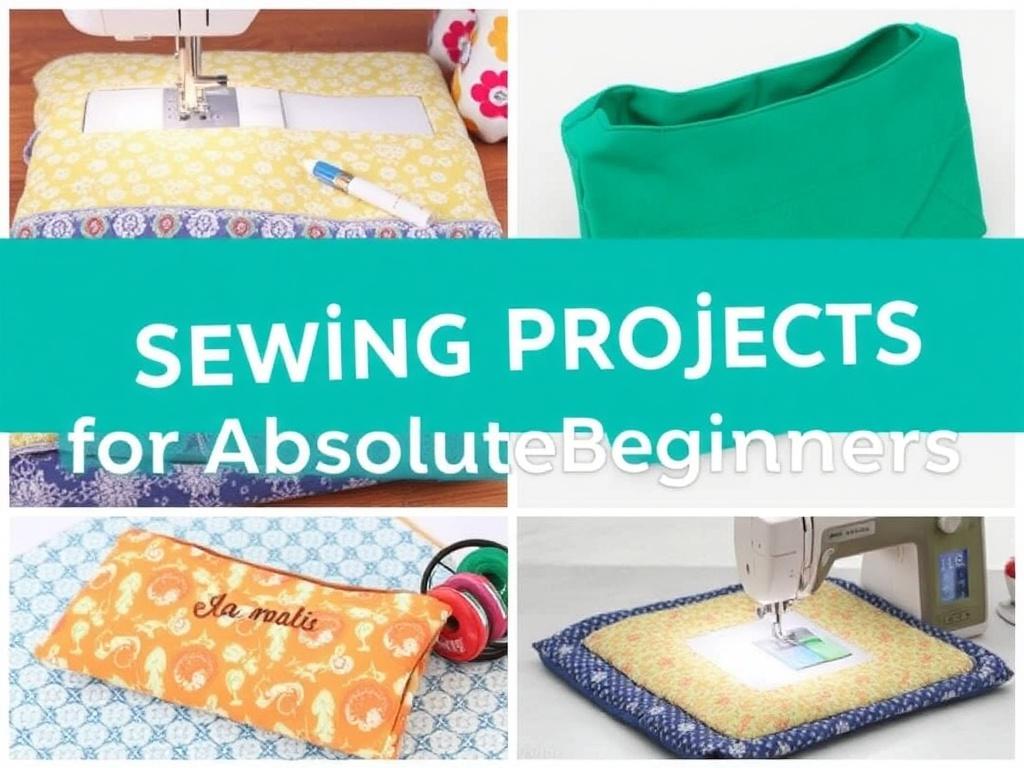
After completing several of these beginner projects you’ll notice recurring skills: accurate measuring, handling corners, inserting elastic and zippers, and finishing edges cleanly.
To progress naturally, choose one skill you want to refine and focus on projects that use it repeatedly—zippers in pouches, topstitching in totes, or gathering in skirts. Repetition builds speed and confidence faster than moving between entirely different techniques.
Organize practice sessions
Set aside short, focused sessions instead of marathon sewing days. Fifteen- to thirty-minute practice runs on specific techniques—like sewing straight lines or pressing perfect seams—yield better retention and steady improvement.
Keep a small box of successful practice pieces. Over time you’ll have a tangible record of progress and a stash of useful items for gifts or the home.
Resources and next steps
Look for local sewing meetups, community classes, or beginner-friendly online tutorials that show techniques up close. Watching a hand-sewing or machine foot movement can clear up confusion that written instructions sometimes leave behind.
Invest in one good craft book or a course that focuses on foundational skills. A structured approach helps because you’ll be practicing in a logical order rather than randomly jumping between projects.
Project comparison at a glance
Here’s a simple table to help you pick what to try next based on time, cost, and skills learned.
| Project | Time | Approximate cost | Key skills |
|---|---|---|---|
| Envelope pillow cover | 1–2 hours | $5–$15 | Straight seams, hems, pressing |
| Drawstring bag | 30–45 minutes | $3–$10 | Casings, gathering |
| Zipper pouch | 45–90 minutes | $5–$15 | Zipper insertion, topstitching |
| Tote bag | 2–3 hours | $10–$25 | Bag construction, boxed corners |
| Elastic waist skirt | 2–4 hours | $10–$30 | Elastic casings, hemming |
| Reversible apron | 2–3 hours | $10–$30 | Seam finishing, attachments |
| Napkins & placemats | 1–3 hours | $5–$25 | Hems, mitred corners |
| Coasters/mug rugs | 30–60 minutes | $2–$10 | Layering, quilting basics |
| Scrunchies/headbands | 15–45 minutes | $1–$8 | Casing, elastic handling |
| Potholders/oven mitts | 1–3 hours | $8–$30 | Quilting layers, thick seams |
Final tips to keep you sewing happily
Patience beats perfection. Every project will have seams you wish were neater; that’s how you learn what to do differently next time.
Use scrap fabric to test stitch settings and practice small parts of a project before cutting main fabric. This habit prevents waste and builds confidence when you move to the real piece.
Celebrate small victories: a tidy corner, a zipper sewn without puckers, the first time you finish a hem neatly. Those wins compound into real skill—and more enjoyable sewing sessions ahead.