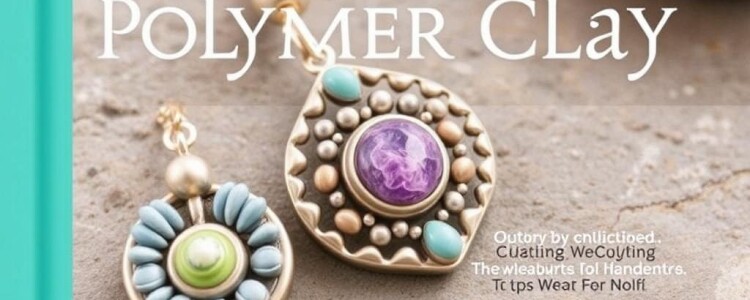
Polymer clay invites you in with small promises: colorful blocks, endless shapes, and the satisfaction of making something wearable from scratch. You don’t need a degree in design or an expensive studio to start; a few affordable tools and a little patience will take you far. This guide walks you through everything from choosing clay to selling finished pieces, with practical tips I learned while teaching workshops and making gifts for friends.
Why polymer clay is perfect for beginners
Polymer clay is forgiving in ways many new makers appreciate. It’s easy to manipulate at room temperature, mistakes can often be fixed before baking, and the learning curve for basic shapes is short.
Unlike cold porcelain or metalworking, polymer clay doesn’t require specialized ventilation or high-heat equipment, which lowers the initial barrier. You can mix colors, create textures, and experiment with dozens of techniques without a steep investment.
Because it bakes at relatively low temperatures in a regular oven, finished pieces are durable enough for everyday jewelry. That balance of ease and durability makes polymer clay ideal for exploring your creative voice and building useful skills quickly.
Essential supplies: what you really need
Start small and buy only what you’ll use. A compact starter kit usually covers clay, a basic set of tools, and a brand-recommended baking guide; it’s enough to get comfortable with the medium without cluttering your space.
- Polymer clay (two or three colors to begin)
- Cutting blade and craft knife
- Acrylic roller or dedicated pasta machine for conditioning
- Baking surface: ceramic tile or dedicated metal tray
- Sanding papers, opaque and fine grits
- Varnish or dedicated polymer clay sealant
- Jump rings, earring posts, wire, eye pins
I recommend a small polymer clay roller and a set of fine blades. When I taught a weekend class, students who brought only a basic blade and roller could complete multiple projects; extra tools help but aren’t required to see results.
Understanding polymer clay types and brands
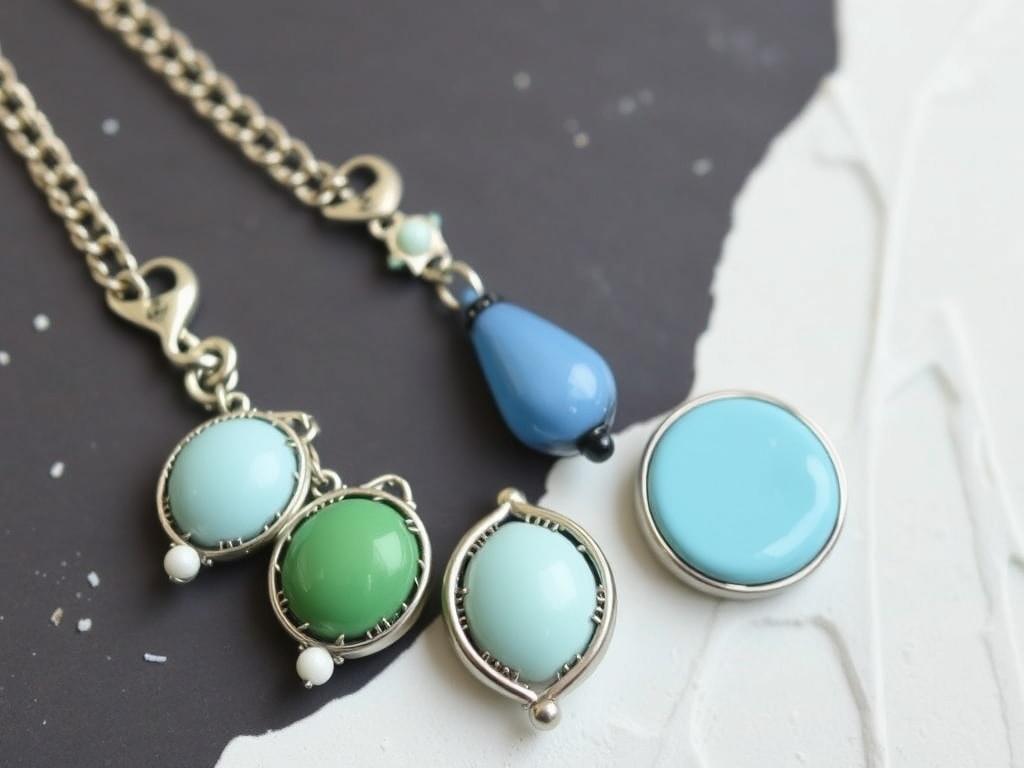
Not all polymer clays are identical. Different brands offer subtle variations in texture, softness, translucency, and curing requirements. Those differences influence project decisions—some clays are better for detailed canes, others for translucent effects.
Below is a quick reference table with a few popular brands and their typical baking temperatures. Always check the package; manufacturers occasionally update formulas and instructions.
| Brand | Typical Bake Temp | Notes |
|---|---|---|
| Sculpey III | 275°F (130°C) | Soft, good for beginners, less durable |
| Sculpey Premo | 275°F (130°C) | Firm, great for detail and caning |
| Fimo Soft/Professional | 230–275°F (110–130°C) | Professional grade has higher strength |
| Kato Polyclay | 275°F (130°C) | Very firm and stable for complex work |
In my early experiments I favored Premo for its balance of firmness and blendability. Kato’s firmness is fantastic for sculptural pieces, but beginners can find it a little tough on the fingers at first.
Setting up a beginner-friendly workspace
Designate a small, tidy area where you can leave projects undisturbed. Polymer clay can be dusty and sticky, so a cleanable surface—like a glass or ceramic tile—is ideal for rolling and cutting.
Keep supplies organized in clear containers so you can see colors and tools at a glance. A small lamp with good color rendering helps you match tones and notice flaws you’ll want to fix before baking.
Consider safety: use tools strictly for clay and keep food preparation areas separate. I learned this the hard way after leaving a blade on a kitchen counter; now I store clay tools in a labeled box and keep a dedicated apron and towel nearby.
Basic techniques: conditioning, shaping, and texturing
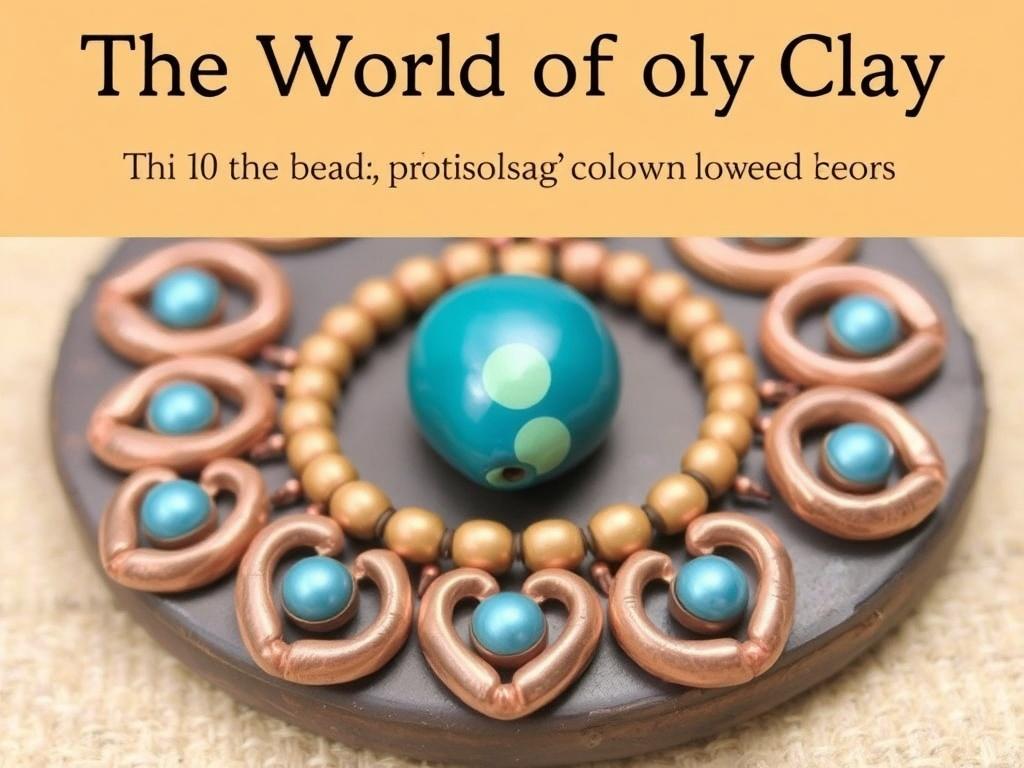
Conditioning is the first technical step—kneading or running clay through a pasta machine makes it pliable and eliminates streaks. Proper conditioning prevents brittle bakes and improves blending when mixing colors.
Shaping can be as simple as rolling beads or pressing clay into silicone molds. Use firm, even pressure when forming shapes to avoid air pockets that can cause cracks during baking.
Texture adds interest and hides minor imperfections. Everyday objects like lace, leaves, or wood stamps create professional-looking surfaces, and blending texture with sanded edges produces a refined result.
Color mixing and surface design
Mixing colors is a practical shortcut to unique palettes. Start with primary colors and white to learn subtraction and addition; small batches are fine for experimentation and waste less material.
Surface design extends beyond color: mica powders, alcohol inks, and metallic leaf can transform a simple pendant into something gem-like. Layering translucent clay over color chips creates depth that photographs beautifully.
Personal note: I once created a small pendant using coffee grounds pressed into clay for a matte organic texture. People asked about the “antique finish,” and I learned that unconventional materials can produce memorable effects when used thoughtfully.
Advanced effects you can try early on (cane, mokume, marbling)
Cane techniques build intricate patterns by assembling a log of composite slices, then stretching and slicing to reveal repeating designs. Start with simple spirals or stripes before attempting floral or complex imagery.
Mokume gane borrows a metalworking technique—layers of clay are stacked, textured, and sanded to expose internal layers in organic patterns. It looks complex but is surprisingly accessible with practice and patience.
Marbling is an approachable effect: twist and fold colors until you see pleasing veins, then slice or shape. It’s forgiving—you can recondition and remix if the pattern doesn’t satisfy you.
Baking and curing: myths and best practices
Baking polymer clay properly is crucial. Follow manufacturer temperatures and times precisely; overbaking can burn pigments and weaken the piece, while underbaking leads to brittleness. Oven temperatures vary, so an inexpensive oven thermometer is essential.
Use a dedicated ceramic tile, glass baking dish, or metal tray for curing. Place pieces on a flat, heat-safe surface and avoid direct contact with open metal that can’t spread heat evenly, which helps prevent warping.
Cooling matters. Let pieces cool fully before handling to prevent fingerprints or warpage. When I rushed the cooling step in a rush to assemble jewelry, some pendants bent slightly; now I plan my workflow to include cooling time.
Finishing, sanding, and sealing your pieces
Finishing transforms a raw bake into wearable, polished jewelry. Start with sanding to remove bake residue and smooth edges. Progress through grits: begin with a coarse or medium grit and finish with a very fine grit for sheen.
Buffing with a soft cloth or a rotary tool on low speed brings out a lovely satin finish on many clays. For a glassy shine, choose a sealant designed for polymer clay; avoid solvent-based sprays that can dissolve or dull certain clays.
Consider leaving some pieces matte and others glossy—both have markets. I once sealed a set of earrings with a high-gloss coat that made the colors sing, and a buyer later requested the exact same finish for a custom pair.
Making common jewelry items: step-by-step mini projects
Mini projects build confidence. Below are simple, practical steps for earrings, pendants, beads, and rings. Each project assumes you have conditioned clay and a clean work surface ready.
Earrings: lightweight statement pieces
Roll clay into thin, even sheets and use cutters or a craft knife to shape your design. Bake on a ceramic tile per package instructions, then sand edges and attach posts, jump rings, or hooks using a jewelry adhesive or by baking eye pins into the clay.
For mixed-media drops, bake shapes first and assemble after cooling to avoid heat-sensitive hardware damage. I teach students to keep earring pieces under 1.5 inches wide for comfort and balance; bigger is possible but requires counterweights or lighter design choices.
Pendants: centers of attention
Create a pendant base by rolling a uniform slab and cutting a shape, or form a bezel to hold inlaid textures. Add a bail by embedding an eye pin before baking, or glue a metal bail afterward for precise placement.
For depth, layer translucent clay over color chips or mica. When making a pendant for a necklace, consider how it will hang—test with a cord before final assembly to ensure the orientation feels right.
Beads: stringable and versatile
To make beads, roll clay into balls and use a needle or bead reamer to create holes slightly larger than the final stringing material. Keep holes perpendicular to prevent slanted beads that sit awkwardly on a necklace.
Textured or millefiori beads add visual interest to simple chains. I once made a set of beads for a client who wanted “earthy” tones; I baked them with a very fine grit sanding to mimic worn stone, and they sold quickly at a craft fair.
Rings and sculptural pieces
Rings often require armatures or metal bases to improve durability. Create a band of clay around a metal ring blank or bake a clay bezel that can be glued to a pre-made adjustable ring base after curing.
Sculptural pieces may need thicker bakes; follow manufacturer instructions for larger volumes and consider internal supports for very large pieces. Always test-fit to ensure comfort—no one wants a ring that pinches.
Photographing and presenting your jewelry
Good photography increases sales and helps you evaluate your own work. Use natural light when possible, a neutral background, and a few well-chosen props to convey scale and style without stealing focus from the piece.
Take multiple angles and include close-ups of texture and edges. I keep a small lightbox and a handful of backdrops; even simple setups dramatically improve images taken on a phone camera.
Consistent presentation—same background, lighting style, and image sizes—creates a cohesive shop front that looks professional and encourages buyers to explore more listings.
Selling your polymer clay jewelry: pricing and platforms
Price your work by factoring materials, labor, overhead, and a reasonable hourly rate for your time. Track how long each piece takes during the learning phase so you can calculate costs accurately for future pieces.
Marketplaces like Etsy, Instagram Shops, and local craft fairs each attract different audiences. Etsy remains strong for handmade jewelry, while Instagram and TikTok help with visual discovery and building a brand personality.
When I started selling, I underpriced items because I didn’t account for prep and marketing time. Adjusting prices upward felt risky, but buyers accepted the higher prices when I improved photos and added thoughtful packaging.
Safety, health, and sustainability
Polymer clay is generally safe when handled properly, but some colors and additives may contain pigments or mica powders that require cautious handling. Use a dust mask when sanding and avoid eating or drinking while working to reduce ingestion risks.
Ventilation is important near ovens and when using solvent-based glazes. Even with low-temp baking, ensure the area has airflow and avoid prolonged inhalation of fumes from inappropriate varnishes or adhesives.
To reduce waste, reclaim scraps by conditioning them into new colors or storing them for later blends. I keep a clear box for odds and ends; it’s an easy way to generate unique marbled effects without buying more clay.
Troubleshooting common problems
Cracking during baking usually comes from insufficient conditioning or trapped air. Recondition clay thoroughly and press firmly to remove bubbles before baking to reduce the risk of cracks.
White bloom or residue can occur with some sealants or from oil transfer. Clean pieces gently with a soft brush and use water-based sealants recommended for polymer clay to minimize unwanted films.
If pieces become brittle, they may be underbaked; try increasing the bake time by small increments while monitoring closely. Conversely, a burned or glossy dull patch often indicates too high a temperature—double-check oven accuracy before a second bake.
Learning resources and next steps
Books, online workshops, and community groups are excellent for expanding skills. Seek tutorials with clear step-by-step photos or videos and follow instructors who explain not only the how but the why behind techniques.
Join local or online polymer clay communities to get feedback. In one forum, I shared a photo of a wonky cane and received specific, actionable tips that improved my next attempt—community critique accelerates progress in ways solo practice can’t match.
Set small, achievable goals: perfect one bead style, experiment with three color mixes, or master one finishing technique. Incremental focus keeps the learning curve manageable and leads to visible improvement.
Projects to try: 10 beginner ideas
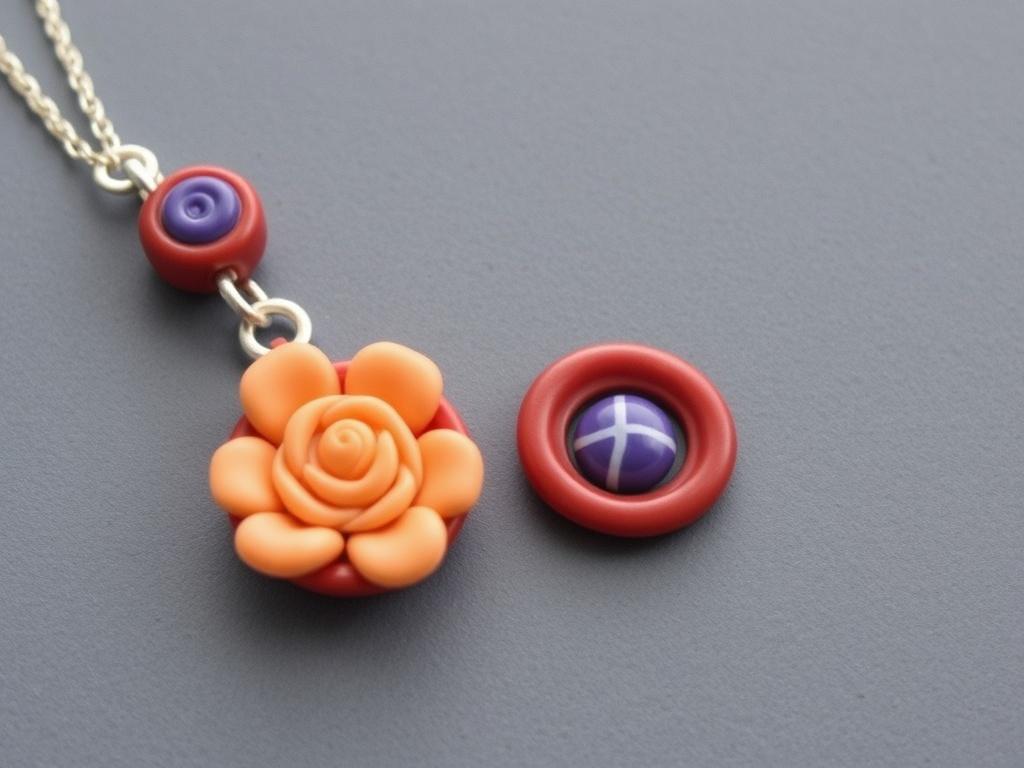
Short projects build confidence and produce items you can gift or sell quickly. Here are ten approachable ideas to try over a few weekends.
- Simple stud earrings in one or two colors
- Marbled pendant on a leather cord
- Textured bead bracelet
- Small stamped charms for a charm bracelet
- Millefiori button covers
- Leaf imprinted brooch
- Tiny animal charms for keychains
- Geometric stackable rings on metal bases
- Translucent cabochon for a pendant
- Miniature picture frames using cane slices
These projects cover a range of skills: cutting, texturing, caning, and finishing. Completing them will give you both inventory ideas and lessons to refine your own style.
How to develop a signature style
Signature styles grow from consistent choices in color, texture, and scale. Pay attention to which pieces you enjoy making and which sell or receive compliments, then amplify those elements in new work.
Experimentation is important, but refine slowly. If your work tends toward earthy, muted palettes, explore variations on that theme rather than switching abruptly to neon geometric pieces—cohesion helps brand recognition.
I found my niche by combining botanically inspired textures with subtle metallic accents. The idea evolved across dozens of pieces before it felt coherent enough to become a recognizable look that buyers associated with my shop.
Maintenance and care for polymer clay jewelry
Advise buyers to avoid prolonged exposure to water and harsh chemicals. Polymer clay is resilient, but repeated exposure to soaps, perfumes, and sweat can dull finishes and loosen glued components.
For cleaning, a soft damp cloth usually suffices. Recommend storing pieces flat and separated to prevent scratches, and suggest reapplying a compatible sealant over time if a high-gloss finish is part of the design.
If a buyer reports a problem, offer repair options or replacements when feasible—great after-sales service builds trust and repeat customers in ways discounts do not.
Final creative encouragement
Start with small, satisfying wins and use them as the foundation for more ambitious work. Polymer clay is uniquely generous: mistakes can be remixed into something new, and simple techniques can yield unexpectedly beautiful results.
Keep a sketchbook or digital folder of ideas, color mixes, and effects you like. Over time you’ll build a personal recipe book of techniques and palettes that make your work unmistakably yours.
Above all, enjoy the process. The tactile joy of rolling, the thrill of a successful bake, and the small victories—like a perfectly sanded edge—are what turn a hobby into a craft you return to again and again.
For readers who want a clear starting point, remember this phrase as a gentle invitation: The World of Polymer Clay: Jewelry Making for Beginners is vast, but the first projects are thrillingly close at hand. Pick one small project, commit an afternoon, and see what you can create.