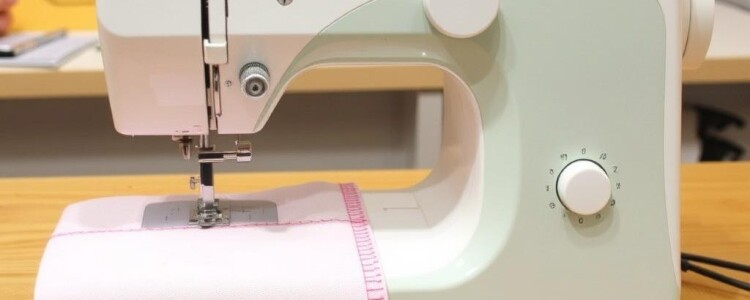
Taking the mystery out of sewing machine tensions and stitches can transform a frustrating afternoon into a satisfying session with cloth and thread. This guide walks through how stitches form, why tensions matter, and how to diagnose and fix common problems so your machine behaves. I’ll share practical steps, real-life examples, and maintenance tips that work across most home machines.
How a stitch is formed: the basics you need to know
Stitches are the result of an elegant mechanical dance between the upper thread and the bobbin thread. As the needle carries the upper thread down through the fabric, the bobbin mechanism catches it and locks both threads together to make what’s called a lockstitch.
The take-up lever, tension discs, needle, and bobbin case all play roles in this process. Each component applies or releases thread at precise moments, so if one part is out of sync or dirty, stitch quality suffers.
Understanding where a stitch “lives” — above the fabric, within it, or below it on the bobbin side — helps you diagnose which thread path needs attention. Once you visualize the path, adjusting tension becomes less mysterious and more mechanical troubleshooting.
Major components that control tension
Most tension issues trace back to a few obvious parts: the upper tension assembly, the take-up lever, the needle, and the bobbin/tension on the bobbin case. Each component affects how much thread is fed or restrained during stitching.
The upper tension assembly contains discs that grip the thread. As you adjust the dial, those discs press harder or looser against the thread, allowing more or less slack to pass. Small changes here make big differences in stitch balance.
The bobbin case also has its own tension adjustment in many machines, often a tiny screw or spring. Even slight changes to the bobbin tension will shift where the stitch locks — above, in the middle, or underneath the fabric.
Common stitch types and how tension affects them
Lockstitch: This is the standard straight stitch used in most sewing. Proper upper and lower tension balance produces a neat interlock in the fabric with no visible loops. When balanced, you should see equal thread on both sides.
Zigzag and stretch stitches: These use more lateral needle movement and sometimes different feed settings. If tensions are too tight, the zigzag can pucker; too loose and the stitch will loop or appear uneven on the underside. Slight tension tweaks help, but needle choice and stitch width also matter.
Decorative and satin stitches: Dense satin stitching lies several layers of thread close together. Upper thread tension often needs to be slightly lighter to avoid bird-nesting on the underside, while bobbin tension must remain stable to prevent dragging or thread breakage.
How to read stitch balance: what each sign means
Balanced stitch: Threads meet in the middle of the fabric without visible loops above or below. This is the goal for most garments and seams. A balanced stitch indicates correct relative tension between upper and lower threads.
Upper thread loop or bobbin thread visible on the top: Usually the upper tension is too loose or the bobbin tension is too tight. Tightening the upper tension or loosening the bobbin will help the threads lock closer to the fabric surface.
Bottom loops or upper thread visible on the underside: This suggests the upper tension is too tight or the bobbin tension is too loose. Loosening the upper tension should allow the threads to sit properly inside the fabric layers.
Simple step-by-step tension troubleshooting
Start with these basic steps whenever stitches look off: clean, rethread entirely, check needle, and test on scrap fabric. Often a full rethread solves what looks like a complicated problem.
1. Clean the bobbin area and tension discs to remove lint and debris. 2. Replace the needle with a fresh one suitable for the fabric. 3. Reseat the bobbin and ensure it’s wound evenly. 4. Re-thread top thread following the machine’s path and engage the take-up lever. 5. Sew a test seam and adjust the upper tension one click at a time.
Make only small changes and test frequently. I find that working methodically—one variable at a time—saves hours compared to wildly twisting dials and hoping for the best.
How to adjust upper tension correctly
Locate the tension dial on your machine; it usually has numbers or marks. The middle numbers are often a factory starting point but don’t treat them as universal — every thread and fabric combination behaves differently.
When adjusting, make small increments. Tighten the upper tension if you see loops on top, and loosen it if the upper thread is pulling the bobbin thread to the surface. Test on fabric layers that mimic your project, not just thin scraps.
Keep in mind that high tension can break threads or pucker fabric, while low tension causes sloppy, loose stitches. The right balance produces a smooth seam and comfortable stitching action.
Adjusting bobbin tension: when and how
Many home machines come with pre-set bobbin tension that rarely needs changing, but problems do occur, especially with vintage machines or custom bobbins. Adjusting the bobbin tension requires cautious, small turns of the tiny screw on the bobbin case.
To test bobbin tension, remove the bobbin and thread and hold the bobbin case so it can hang freely. The bobbin should unwind slowly with slight resistance. If it falls free or resists too much, tweak the screw very slightly.
Make adjustments a quarter turn at a time and test by sewing. If you aren’t comfortable adjusting bobbin tension yourself, a sewing machine technician can calibrate it precisely for heavy use or specialty threads.
Needle choice and its effect on stitch quality
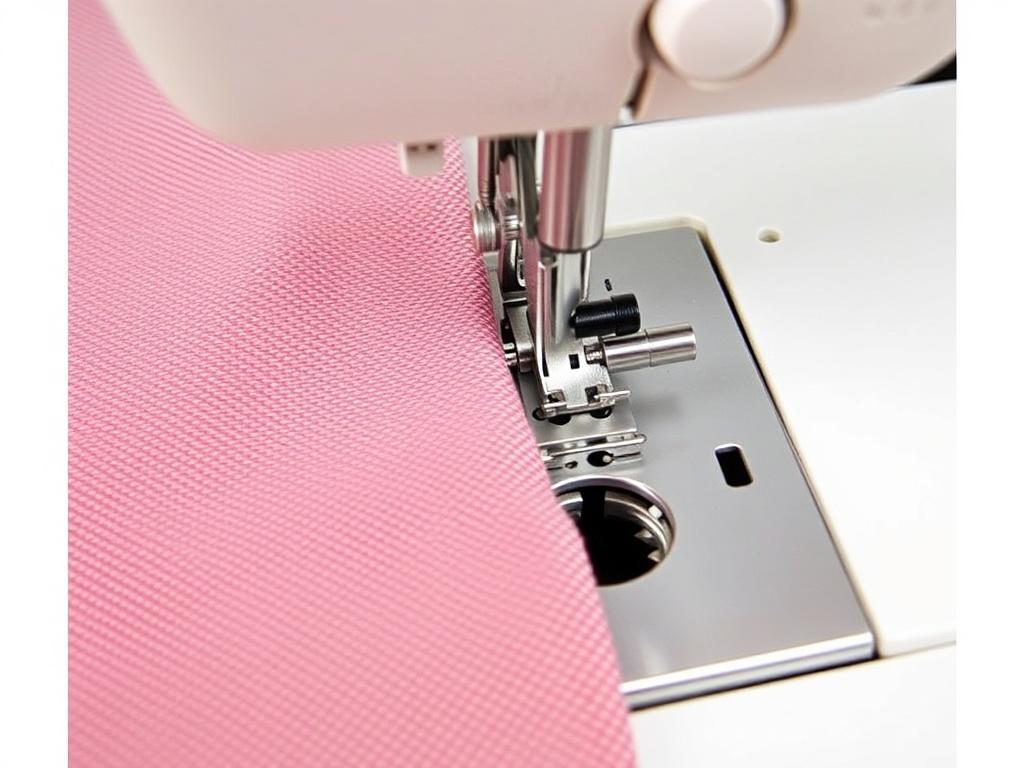
The right needle is often overlooked but critical. Needles come in sizes and types—universal, ballpoint, sharp, stretch, and specialty points for leather or denim. Using the wrong needle can create skipped stitches, break thread, or cause tension-like issues.
Match the needle size to thread and fabric: heavier fabric and heavier thread need larger needles. A tiny needle with thick thread will create more drag, increase tension on the thread, and produce uneven stitches.
I remember a quilting day ruined by skipped stitches until I swapped from a fine universal needle to a sharp, size 90/14 for densely woven cotton. The stitches became even and the puckering vanished.
Thread type matters: cotton, polyester, silk, and specialty threads
Thread elasticity and surface texture change how it reacts with tension discs and the bobbin. Polyester thread is strong and slightly elastic, forgiving in many cases, while silk is slick and may require slightly higher tension to sit properly.
Cotton thread tends to be less stretchy and can break if tension is too tight, especially on dense stitches. Metallic or novelty threads often demand reduced speed and tension because they’re delicate and prone to shredding.
When switching to an unusual thread, wind the bobbin slowly and test extensively. Sometimes using a different brand or a slightly larger needle helps tame difficult threads.
Fabric types and their tension preferences
Lightweight fabrics like chiffon and silk need gentler handling: lighter presser-foot pressure, smaller needles, and slightly reduced upper tension to prevent puckering. Stabilizers can also help when sewing very fine fabrics.
Medium-weight woven fabrics behave predictably with standard settings, but dense wovens and upholstery fabrics will require heavier needles and more robust thread, plus possible adjustment of bobbin tension to maintain good locks without thread breakage.
Knits and stretch fabrics often benefit from a stretch needle and both reduced tension and altered stitch type (like narrow zigzag or a stretch stitch). The goal is stitches that flex with the fabric rather than slicing into it.
Presser-foot pressure and feed dogs: part of the tension picture
Presser-foot pressure affects how fabric feeds under the needle. Too much pressure can stretch the fabric, creating puckers that look like upper tension issues. Too little pressure causes uneven feeding and skipped stitches.
Feed dogs control how the fabric moves forward; if they’re lowered or worn, fabric may slip, causing inconsistent stitch length and tension appearance. Check that feed dogs are up and clean, and adjust presser-foot pressure for delicate or bulky fabrics.
For slippery fabrics, I sometimes reduce presser-foot pressure and add a lightweight stabilizer. That combination prevents stretching while keeping stitches even and consistent.
Diagnosing specific stitch problems
Problem: top thread nesting on the bobbin—often called “bird-nesting.” Solution: Re-thread the machine, reduce upper tension, check bobbin winder for loose wind, and ensure the bobbin is seated correctly. A damaged hook race can also cause this.
Problem: loops on the top of the fabric. Solution: Tighten the upper tension slightly or loosen the bobbin tension if adjustable. Also inspect for lint under the tension discs and clean it out carefully using a soft brush.
Problem: thread breakage. Solution: Replace the needle, check for burrs on needle plate or bobbin case, reduce upper tension, and use the correct thread size. Examine the thread path for snags or old, frayed thread.
Practical troubleshooting checklist
When you encounter stitch problems, run through this checklist in order: clean the machine, change the needle, rethread upper and lower threads, check bobbin winding, and test on a representative fabric. This sequence solves the majority of issues.
Try a quick tension test: set the upper tension to the middle, stitch a line on a scrap, then move the upper tension up and down a couple marks and watch how the locks shift. Observing where the threads meet helps identify which side needs correction.
Keep a small notebook or digital note for each fabric/thread combo you use often. Jotting down settings that worked saves experimentation time later and builds your personal stitching reference.
Advanced adjustments for specialty sewing
Free-motion quilting, embroidery, and heavy-duty sewing often require bypassing standard settings. For quilting you typically lower tension slightly and use a stronger needle; for machine embroidery, thread tension must be tested with stabilizer and a similar fabric backing.
Sewing leather or multiple denim layers needs longer stitch length, heavy-duty needles, and often a walking foot. Adjust tension incrementally and consider using a heavier thread that the machine can handle without needing extreme tension changes.
When I learned free-motion quilting, starting with a generous top tension and then easing it down while increasing bobbin thread strength made the most consistent stitches. Trial and error with scrap sandwiches is part of the craft.
Maintenance practices that prevent tension problems
Regular cleaning is essential. Lint, dust, and stray threads accumulate in tension discs and the bobbin area, disrupting thread flow and causing erratic tension. Clean the machine per the manual, usually with a small brush and occasional compressed air.
Change needles often—after every large project or roughly every 6 to 8 hours of sewing—because dull or bent needles contribute to thread breakage and skipped stitches. Keep several sizes and types on hand for different materials.
Periodic professional servicing every couple of years keeps timing and internal adjustments correct, which directly impacts tension behavior. Technicians also spot wear on internal parts that a home user might miss.
Tension settings chart: a quick reference
The numbers on a machine’s tension dial are relative indicators, not absolute values. Still, you can use a reference chart to guide changes by fabric type and stitch density.
| Fabric/thread situation | Start upper tension | Notes |
|---|---|---|
| Lightweight voile, silk | Lower (e.g., 2–3) | Use fine needle; consider stabilizer |
| Medium cotton, quilting | Medium (e.g., 4–5) | Standard needle; balanced tension usually works |
| Denim, canvas | Higher (e.g., 5–7) | Use heavy needle and strong thread |
| Knits, stretch fabrics | Slightly lower (e.g., 3–4) | Use stretch needle and narrow zigzag if needed |
When to seek professional help
Some issues are mechanical and beyond simple user adjustments. If the timing between needle and hook is off, you’ll see consistent skipped stitches or thread trapped under the feed dog, and this typically requires a technician. Don’t force the machine; continued use with timing problems can cause more damage.
Complex electronics or servo motor issues that affect feed rate and stitch formation also need professional diagnosis. If your machine is under warranty, contact the dealer before attempting extensive repairs.
That said, many tension and stitch issues resolve with patient cleaning, proper threading, and small adjustments. You’ll save both time and money by mastering the fundamentals first.
Tools and supplies worth keeping on hand
Every home sewist should have a small kit: a set of needles in multiple sizes, quality thread, a lint brush, sewing machine oil (only where the manual recommends), a screwdriver for bobbin case adjustments, and a magnifying glass for inspecting burrs. A piece of tear-away stabilizer and fabric scraps for testing are also invaluable.
A seam ripper and tweezers help remove jammed threads and clear the bobbin area carefully. For metallic or novelty threads, a spool net reduces tangles and feeding problems. Keep a notebook to record settings that work for different fabrics.
When I started garment sewing, a $10 kit with needles and a magnetized screwdriver changed how quickly I could diagnose issues. Small investments in tools pay off in saved frustration and cleaner seams.
Case study: fixing persistent puckering on a blouse
A client brought me a lightweight polyester blouse with severe puckering along seams. The machine was new to her, and she kept tightening the upper tension, which made the problem worse. We started by rethreading, replacing the needle with a fine size 70/10, and using a stabilizer under the seam.
Next, we set the upper tension one number lower than her starting point and reduced presser-foot pressure. The fabric fed smoothly and the stitch sat cleanly without puckers. This experience reminded me how small changes can solve what looks like an impossible problem.
Always approach such problems with patience: a methodical progression from the simplest fixes to more specific adjustments will often reveal the culprit.
Tips for sewing with multiple layers or heavy seams
Use a longer stitch length for heavy seams to avoid bunching and to let the machine feed easier. A longer stitch distributes the sewing force over more space and prevents the needle from repeatedly piercing the same tiny area.
Consider a walking foot or even a roller foot to improve feed consistency across thick or varying layers. These feet help prevent one layer from advancing faster than another, which can look like tension problems but is actually a feeding issue.
Lower the tension slightly on the top thread to avoid compressing the layers. If needed, finish the seam with topstitching using a heavier thread and appropriate needle to secure bulky seams neatly.
Why rethreading often fixes problems
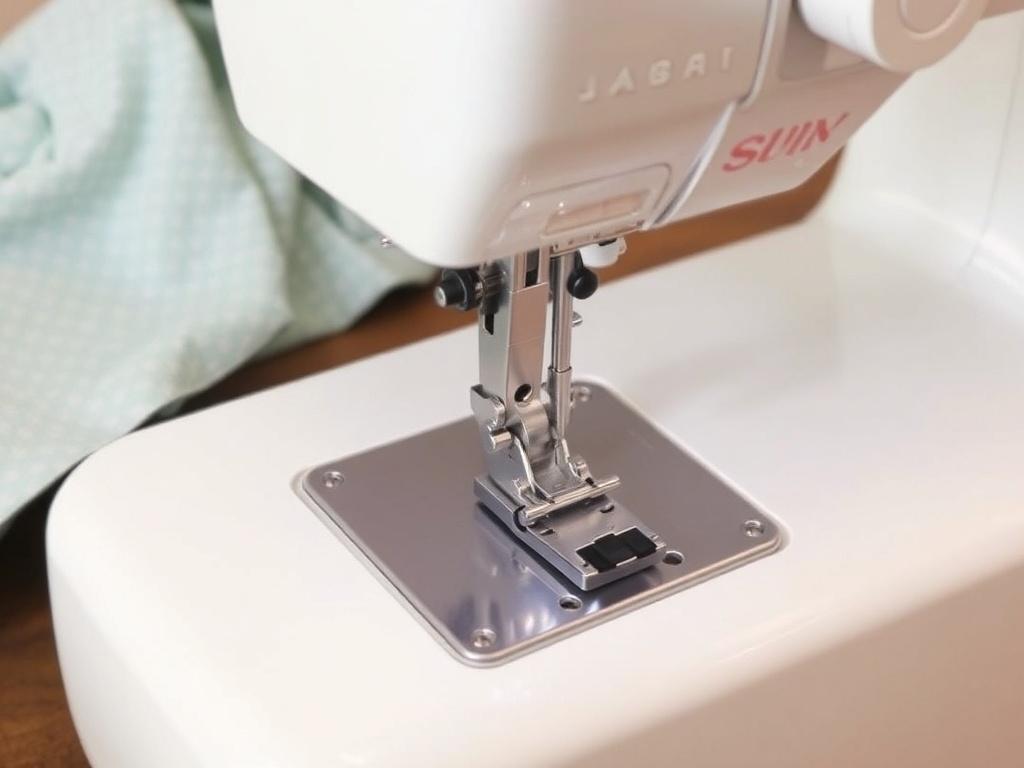
Thread can slip out of the path, catch on lint, or fray, creating variable resistance that mimics tension issues. Rethreading ensures the thread sits correctly between the tension discs, through the take-up lever, and past the needle eye, restoring predictable behavior.
Many times, a quick rethread solves bird-nesting, skipped stitches, and inconsistent stitch length. It’s the sewing equivalent of “turn it off and on again,” but far less frustrating when it actually works.
Make rethreading a regular habit, especially after winding a bobbin or changing thread types. It takes only a minute and avoids lengthy troubleshooting later.
Common myths about tension
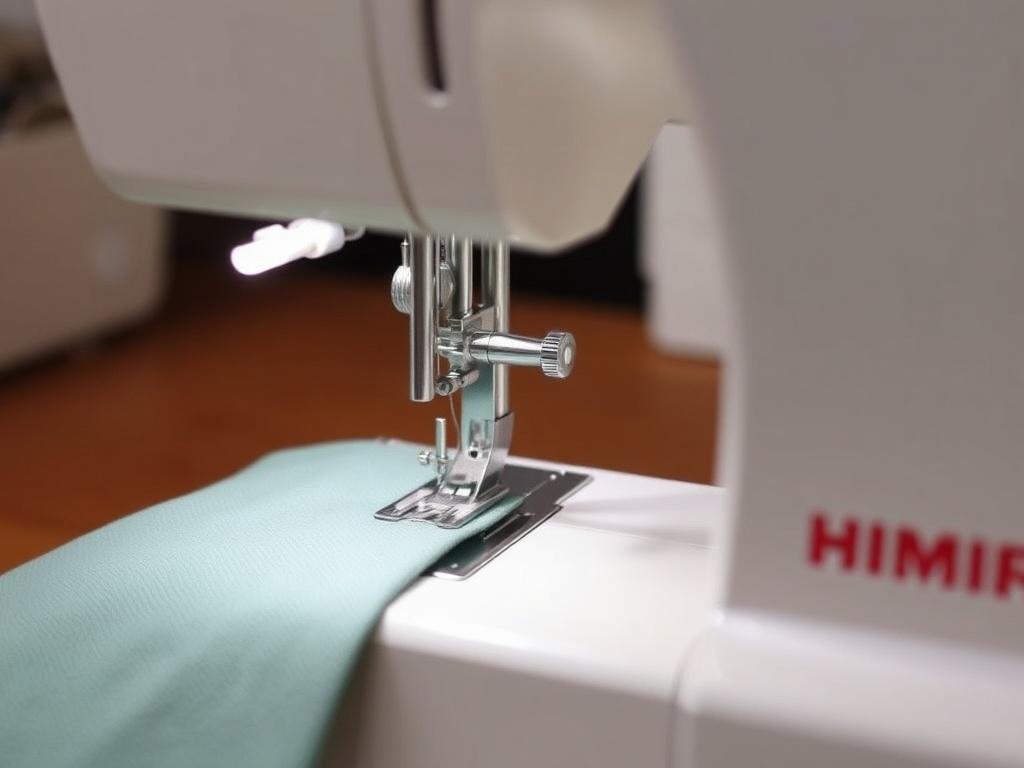
Myth: Higher numbers always mean tighter tension. Reality: Numbers are relative and machine-specific. A number that’s tight on one machine might be baseline on another, so use visual tests rather than numbers alone.
Myth: Bobbin tension never needs adjusting. Reality: While often set at the factory, bobbin tension can drift or need slight changes for unusual threads or custom bobbins. Adjust with care and small increments.
Myth: Faster sewing causes tension problems. Reality: Speed can exacerbate existing issues, but a properly tuned machine should sew well at any recommended speed. If problems appear only at high speed, take time to inspect threading, needle condition, and feed components.
How to document successful settings
Keep a small sewing log or index card for each project or frequent fabric type. Record needle size, thread brand and weight, presser-foot pressure, tension settings, and any special notes like stabilizer use or stitch length. This habit reduces repetitive testing and preserves hard-won adjustments.
Label scrap swatches with the recorded settings and pin them into a folder. When you return to a similar fabric, you’ll have a tested starting point rather than guessing anew. Over time these notes become a personalized manual for your machine.
I still refer to my notes from a long-ago upholstery project when tackling heavy canvas; those numbers saved me hours in readjustment and prevented costly trial-and-error on expensive material.
When to change your approach: replacing parts or upgrading
If your machine is old, heavily used, or shows signs of wear—like a burr on the hook race or a wobbling handwheel—consider part replacement or a professional overhaul. Worn parts can make tension inconsistent regardless of how you tweak the dial.
Upgrading to better thread, higher-quality needles, or a walking foot may be a smarter move than endlessly adjusting tension. Sometimes equipment limitations, not user technique, create persistent problems.
Discuss replacement parts with a trusted dealer or technician. They can advise whether a small part swap or a full service will deliver the best long-term results for your sewing needs.
Final practical checklist before starting a project
1. Select an appropriate needle and fresh thread. 2. Wind and insert the bobbin correctly. 3. Clean the bobbin area and tension discs. 4. Rethread the top thread through the entire path. 5. Set tension to a balanced starting point and sew a test seam on a representative scrap.
Adjust stitch length and presser-foot pressure to suit fabric thickness, and make small tension changes with tests in between. Keep a tidy, well-lit workspace so you can spot lint, burrs, or frayed thread quickly.
Starting methodically cuts down on mid-project surprises and helps you enjoy sewing rather than wrestling with the machine.
Growing confidence with practice and observation
Like any skill, improving your control of tensions and stitch quality comes from repeated observation and incremental learning. Each fabric and thread combination teaches something useful about how your machine responds.
Practice different stitches and tension adjustments on scraps and keep notes. Over time you’ll recognize patterns and need fewer tests to get excellent results right away.
At the end of the day, reliable stitches come from a clean, well-tuned machine and a patient, systematic approach. That combination turns problems into predictable, solvable adjustments so you can focus on making.