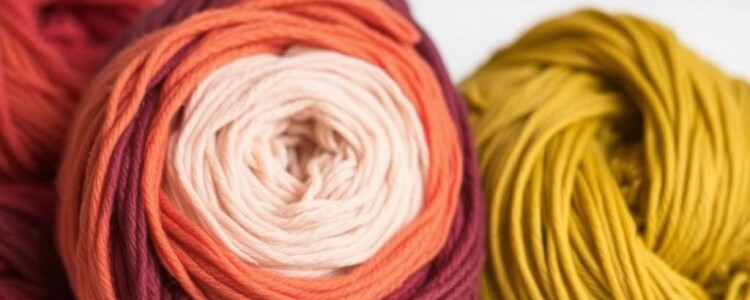
I remember the first time I boiled onion skins and watched a skein of wool slowly shift from a pale beige to a warm, autumnal gold—it felt like alchemy. Natural dyeing feels like that: a hands-on conversation with plants, roots, and insects where patience and curiosity shape the outcome. This guide walks through the practical steps, creative techniques, and gentle chemistry behind using plants and simple materials to color fabric and yarn.
why natural dyes still matter
Natural dyes reconnect fibers to the natural world and to traditional craft. Beyond the romantic appeal, many people choose plant-based dyes because they reduce reliance on fossil-fuel-derived synthetic colorants and can create unique, subtle colorways that commercial processes rarely reproduce.
Choosing natural color also encourages seasonal thinking: the palette available shifts with what you can forage or buy locally. That variability is precisely why natural dyeing appeals to makers who value small-batch, handmade qualities and the stories woven into each piece.
Finally, natural dyes teach a slow form of creativity. You learn to read color shifts, adapt recipes, and accept surprises—skills that extend to other areas of craftwork and design. The process rewards experimentation and curiosity more than exact replication.
how different fibers take dye
Not all fibers behave the same when you dye them. Protein fibers such as wool, silk, and alpaca readily absorb many natural dyes, giving saturated, durable colors. Plant fibers like cotton and linen need help—usually a mordant or different techniques—to take and hold color as strongly.
Synthetic fibers present a challenge because their surface chemistry resists many natural pigments. If you’re working with blends, test a swatch first: the synthetic portion will often remain less colored, creating a mottled or speckled result. Always dye a sample before committing to yardage or a whole skein.
Yarn structure matters, too. Singles yarns and loosely plied skeins soak up dye quickly and sometimes unevenly, producing variegated tones. Tightly plied yarns and dense fabrics take longer and may yield more uniform shades. Keep these differences in mind when planning projects.
mordants and modifiers: the mild chemistry behind rich color
Mordants are substances that help dye molecules bind to fibers; they change both color intensity and durability. Alum (potassium aluminum sulfate) is the go-to mordant for most hobbyists because it’s relatively safe, widely available, and creates clear, bright tones on protein fibers. Other mordants—iron, copper, and tin—shift hues or darken shades but require more caution and skill.
Modifiers, sometimes called color modifiers, alter the final shade without acting as a primary mordant. For example, an iron “afterbath” can age and deepen colors, turning yellows toward khaki or green. Cream of tartar can brighten some colors on protein fibers. The same mordant or modifier can produce wildly different results depending on the dye source and the fiber.
Safety matters with mordants. Even relatively safe ones like alum should be handled with gloves and measured carefully. Iron and copper are useful but toxic in concentrated, improperly disposed solutions. Always follow local disposal guidelines and avoid dumping mordant solutions down garden drains where they can accumulate in soil or waterways.
tools, supplies, and safety basics
You don’t need a long list of specialized equipment to begin dyeing naturally, but a few dedicated tools make the process cleaner and more predictable. Choose stainless steel or enamel pots labeled for dyeing use, wooden spoons, sturdy tongs, and glass or plastic measuring containers. Avoid copper or aluminum cookware because mordants can react with them and create unexpected color shifts.
Protective gear is essential: nitrile gloves, an apron, and a well-ventilated workspace keep you safe while simmering dye pots and handling mordants. Keep a small scale for measuring dry mordants and dyestuff, and buy a reliable kitchen thermometer for temperature control when necessary.
Plan for responsible disposal. Many plant dye baths are benign and can be diluted and composted, but mordanted baths and those containing synthetic additives must be treated as chemical waste. Label containers and follow municipal hazardous waste instructions to avoid environmental harm.
- Essential supplies: stainless steel pots, wooden spoons, heat-safe containers, nitrile gloves, scale, thermometer, pH strips, and protective apron.
- Optional helpful items: stainless steel steamer, mesh bags for delicate yarn, squeeze bottles for painting techniques, and a dye journal for recording recipes and results.
prepping fibers: washing and mordanting
Before dye reaches the surface, it must reach the fibers. Washing removes manufacturing finishes, oils, and dust that repel dye. A gentle scouring with non-scented dish soap or synthrapol-like soap followed by thorough rinsing sets the stage for even dye penetration. Wet the fiber thoroughly before any mordant or dye bath.
Mordanting can occur as a pre-mordant (before dyeing), simultaneous mordanting (in the dye bath), or post-mordanting (after dyeing). Pre-mordanting with alum and cream of tartar is common for wool and silk: dissolve, simmer, cool, and then add the fiber to soak for an hour or more. Simultaneous mordanting can save time but may produce less predictable shades.
Keep careful notes about temperature and timing. Protein fibers should not be shocked with extreme heat changes. Simmering at a gentle, low boil preserves fiber integrity, while cotton and linen might require additional tannin treatments or longer simmering times to bind plant dyes.
extracting color: making dye baths
Extracting dye is mostly a matter of time, temperature, and concentration. For many plant sources, simmering chopped material for an hour yields a usable bath; roots and bark often take longer. The goal is to coax pigments into water without burning or caramelizing plant matter, which can muddy colors. Strain liquids through a fine mesh or cheesecloth before adding fiber.
There are three common extraction approaches: hot extraction (simmering), cold soak (steeping in cool water for days), and reduction baths (used for indigo). Hot extraction is fast and works well for onion skins, madder, and walnut; cold soaks are gentler and can bring out subtler tones in delicate flowers. Reduction vats require specific equipment and attention to oxygen levels but produce colors unattainable by other methods.
Experiment with strength: a ratio of 1:1 (dyestuff weight to fiber weight) will usually give intense shades for some sources, but 1:10 or 1:20 is common for more economical, softer washes. Keep sample skeins for batch testing so you can adjust concentration without risking a project.
step-by-step dye bath: a basic workflow
Start by measuring your fiber and planning your dyestuff ratio. Clean and mordant your fiber according to the material, then prepare your dyestuff in a pot with enough water to cover both plant material and fiber. Heat gently and simmer to extract color, avoiding a rolling boil that can set unwanted tannins free.
Strain the dye liquor into the pot containing pre-wetted fiber. Maintain a low simmer and stir occasionally to encourage even color uptake. Keep samples aside to test depth, remembering that wet color may appear darker than the final dry result. Allow the fiber to cool in the bath to encourage even setting of the dye.
- Scour and pre-wet fibers.
- Mordant if using a pre-mordant method.
- Extract dyestuff in a separate pot.
- Combine fiber with strained dye liquor and simmer gently.
- Cool, rinse, and dry carefully.
recipe: onion skins for warm golds and rusts
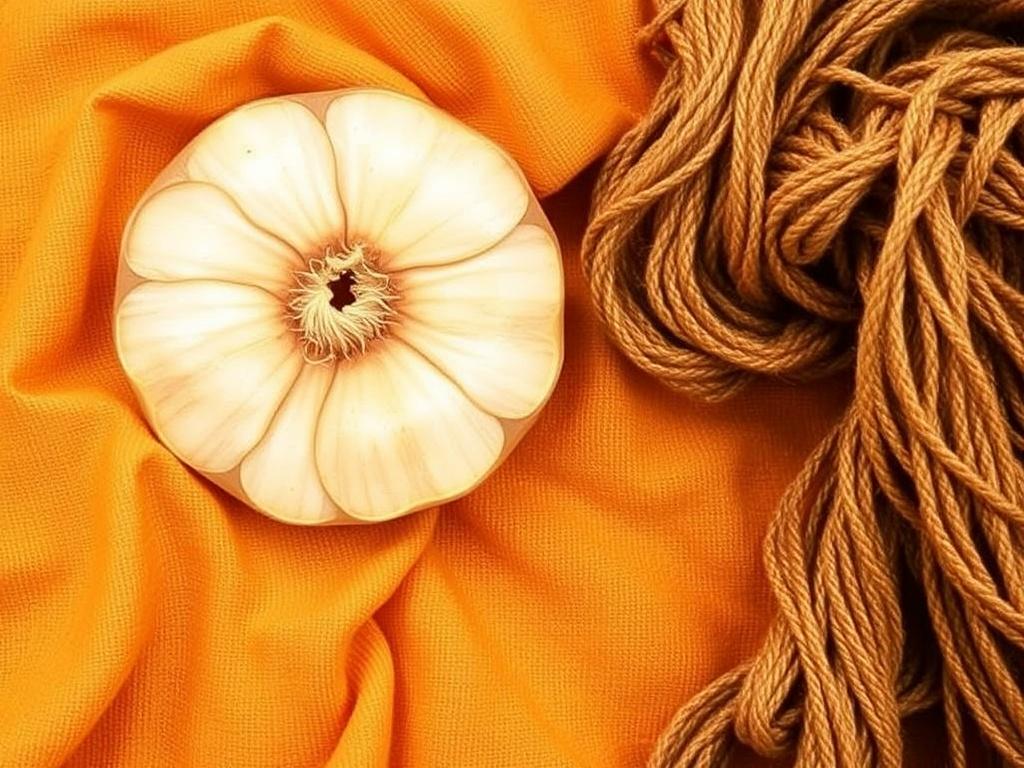
Onion skins are one of the most economical and reliable dyestuffs for warm yellow, orange, and rust tones. Use a mix of red and yellow onion skins for deeper amber shades; the more skins per volume of water, the stronger the result. I keep a jar in my kitchen and add skins over time, drying them for winter dyeing sessions.
To dye with onion skins, simmer chopped skins for about an hour, strain, then add pre-wetted wool or silk. Simmer gently for at least an hour, or leave the fiber to soak in the cooled bath overnight for richer color. Alum mordant brightens the result on protein fibers, and a short iron afterbath will age the gold toward a muted olive brown.
recipe: avocado pits and skins for dusty pinks and mauves
Avocado pits and skins yield delicate pinks and mauves on protein fibers. The color is charmingly subtle and shifts with water hardness and mordanting. This simple dye is perfect for small projects like sock cuffs, baby hats, or sampling yarn because it tends to give gentle pastels rather than saturated shades.
Crack the pits and chop them roughly, then simmer for an hour or more to extract pigment. Strain and add fiber; simmer gently for another hour, or let cool in the bath. For deeper tones, increase the dyestuff to fiber ratio or start with a slightly alkaline soak (a pinch of baking soda) before mordanting, but proceed cautiously—pH swings can also shift color unpredictably.
recipe: madder root for warm reds and terra cotta
Madder root has been used for centuries to create stable red and orange shades. It loves protein fibers and responds well to alum mordanting. The roots must be chopped or scraped and usually simmered for a long extraction: three to four hours yields a strong red dye liquor. Use adequate ventilation—the steam carries earthy, rooty aromas.
After extracting and straining, add pre-wetted wool or silk and simmer gently for an hour or longer. Madder deepens with age and afterbaths, so samples may continue to darken over several days. I once overdosed a small skein and let it sit for 48 hours to coax out a brick red that ended up being a favorite sweater color.
recipe: walnut hulls for deep browns
Black walnut hulls produce rich, long-lasting browns and are remarkably forgiving for beginners. The tannins in walnut bind well to fibers and often don’t require heavy mordanting on protein yarns. Walnuts produce very dark baths; even a short immersion can leave a strong color, so test frequently.
Crush hulls and simmer to extract pigment; strain and simmer fiber until it reaches your desired depth. Walnut dye baths are pH-sensitive: an alkaline environment can lean toward greenish tones, while acidic adjustments favor true browns. Wear gloves—walnut stains skin easily and can be challenging to remove.
recipe: turmeric for bright yellows (use with caution)
Turmeric gives a sunny, vibrant yellow that dyes quickly, but it’s not highly lightfast on all fibers. This bright pigment is brilliant for experiments, however it can fade with extended sunlight exposure and washing if not properly mordanted and treated. Use it for accent pieces or pieces that won’t face heavy use.
Simmer turmeric powder or grated root to make a dye bath, strain, and add fiber. Alum mordant helps adhesion on protein fibers, and tannin pre-treatments can improve retention on plant fibers. Remember that turmeric is a persistent stain for skin and surfaces, so wear old clothes and handle with care.
recipe: cochineal for luscious reds and pinks
Cochineal, derived from dried scale insects, produces some of the most vivid reds and magentas available from natural sources. It pairs beautifully with alum-mordanted wool and silk. Because cochineal is a biological dye with strong coloring power, small amounts go a long way, and precise measurements help control shade intensity.
Simmer cochineal gently to extract bright pink to red hues, then add pre-mordanted fiber and keep the temperature below a simmer to avoid shocking the dyestuff. Cochineal’s color shifts with pH and modifiers—an iron afterbath can dirty it toward plum, while basic conditions will turn it more orange. This dye demands respect and patience.
recipe: indigo for blues and vat dyeing basics
Indigo dyeing is a different animal: the dye itself is insoluble and requires a reduction vat to convert indigo to a soluble, colorless form that binds to fiber. When fiber is removed from the reduced vat, exposure to oxygen oxidizes the indigo back to its blue form, creating unmistakable earthy blues. Traditional indigo vats can be made with fermented plants or with chemical reducing agents like sodium hydrosulfite.
Basic indigo vats need careful attention to temperature, pH, and oxygen levels. Dip fibers, expose them to air, then repeat dips to build depth. The magic of indigo is partly the layering—the same skein can change character over multiple pulls as deeper, velvet tones develop on top of lighter, cloudy aquas.
techniques for pattern and resist
Natural dyeing plays beautifully with resist techniques: shibori folding, binding, clamping, and wax resist give sharp contrasts and painterly marks. Each resist method influences how dye penetrates fabric or yarn; tight bindings yield crisp rings and lines, while looser wraps create soft, feathered edges. Consider practicing on small cloths to learn the language of each technique.
Yarn can be dyed in skeins using immersion, kettle-dyeing, or hand-painting. Immersion produces an all-over color, kettle dyeing yields semi-unevenness and depth, and hand-painting allows precise placement of pigments for gradient or speckled effects. When painting, use squeeze bottles or brushes and steam or microwave to set color depending on fiber requirements.
Layering dyes also creates complexity: pre-dye a base color, mordant specific areas, then overdye for subtle patterning. For example, a piece mordanted partially with iron can take on shadowed accents when overdipped into an indigo vat, producing depth and mood without harsh lines.
making a dye plan and keeping records
Dyeing naturally invites variability; the best way to control outcomes is thorough documentation. Keep a dye journal with fiber type, weight, mordant amounts, dyestuff weight and source, water volume, temperatures, and timing. Include color swatches or labeled photos for future reference. These notes transform random experiments into a repeatable craft.
Plan batches around fiber weights to conserve dyestuff and mordants. If you need several skeins of the same color, dye them together when possible to minimize variation. When dyeing large fabric pieces, allow extra room in your pots so cloth can move freely for even soak and heat distribution.
testing for colorfastness and washability
Colorfastness varies dramatically between dyestuffs. To test permanence, rinse a small, dyed swatch in warm soapy water, then check for crocking (color transfer) on white cloth and for fading after sunlight exposure. For garments that will see frequent laundering, choose dyes and mordant combinations known for durability, such as madder on wool with an alum mordant.
Iron and copper mordants can increase lightfastness but may produce unexpected color shifts later. Run multiple tests if you plan to sell or gift a dyed item, especially if it will be laundered often. Always provide care instructions that match the dye’s expected performance—gentle hand-wash and line dry lengthen the life of naturally dyed pieces.
troubleshooting common problems
If your dye came out too pale, you may not have used enough dyestuff, or the bath was too diluted. Repeat the dyeing with a stronger bath or leave the fiber soaking in the cooled liquor to build depth. Remember that wet fiber looks darker; let it dry fully before making a final judgment.
Uneven dyeing often stems from inadequate scouring or from fiber that wasn’t completely soaked before entering the dye bath. Rewash and scour the item, then try a second, gentler immersion or a low, steady simmer to even out the color. For stubborn patches, targeted hand-painting followed by steaming can rescue an uneven piece.
If the color shifted unexpectedly, check pH and mordant type: iron darkens, alkaline conditions shift many yellows toward greens, and tannins intensify browns. Keep a sample swatch in a small jar of water with a pH strip to see how your local water chemistry may be affecting results.
sustainability and ethical considerations
Not all natural dyes are benign by default. Some sources like madder and cochineal have historical and environmental footprints that deserve attention: madder cultivation can be land-intensive, and cochineal production involves insect farming. Choose suppliers who practice sustainable harvesting and fair labor where possible. Local foraging should follow ethical guidelines—never strip large areas of wild plants or trees for bark.
Consider the full lifecycle: mordants and additives can be ecologically harmful if disposed of carelessly. Favor alum for general use, minimize heavy metal mordants, and research municipal disposal regulations. Composting spent plant material is often an eco-friendly option when no toxic mordants were used.
Finally, be mindful of dye allergies and skin sensitivities—especially when selling or gifting. Label fabrics treated with animal-derived or insect-based dyes and provide washing instructions so recipients can make informed choices about wear and care.
project ideas to get you started
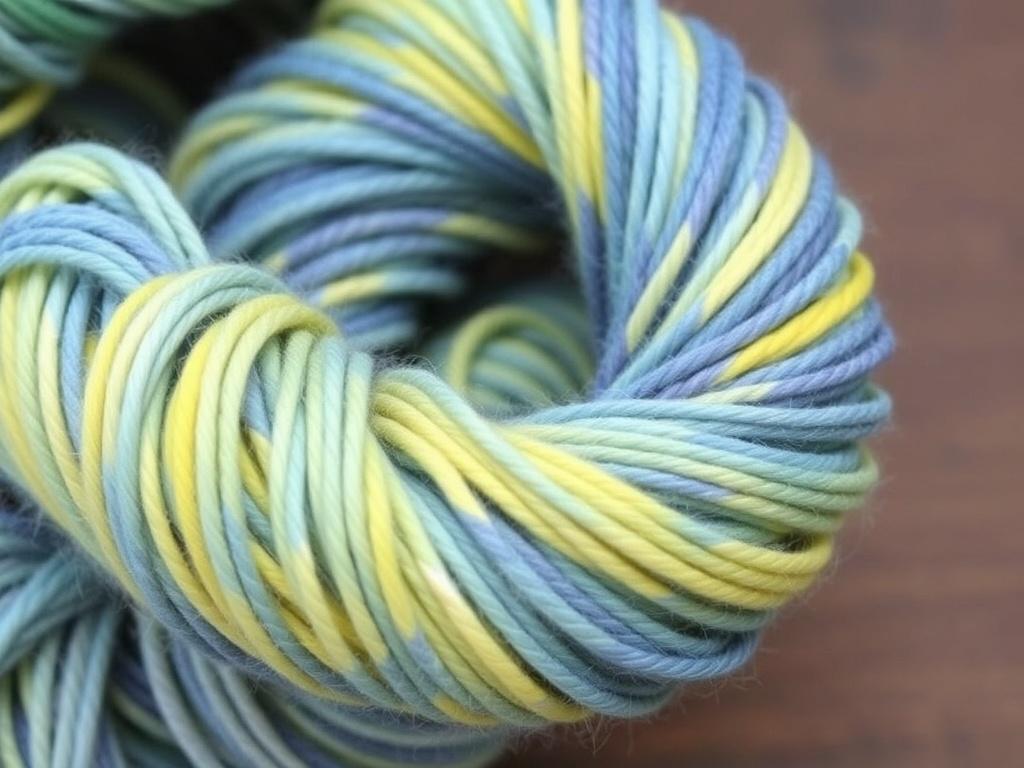
Begin with small projects: dye a swatch book, make two matching pillow covers, or produce a set of gradient napkins. Scarves and shawls are forgiving because their generous drape hides minor imperfections. For yarn, knit a hat or pair of mittens from a sampler skein to see how the dye plays with stitch patterns and texture.
Collaborative dyeing is also rewarding—host a small dye day with friends, each bringing different dyestuffs, and compare results on identical yarns. Group sessions help build a reference library of regional plant colors, and they turn the learning curve into a social, joyful experience. I’ve run workshops where participants traded color notes for months afterward.
Consider functional home items that show off natural hues: table runners, dish towels, reusable produce bags, or patchwork quilts. These pieces benefit from handmade charm and are often used gently enough to preserve color longer than frequently laundered clothing.
table: common dyestuffs, typical colors, and recommended mordants
| Dyestuff | Typical colors | Best mordant(s) |
|---|---|---|
| Onion skins | Warm golds to rust | Alum |
| Avocado pits/skins | Dusty pinks and mauves | Alum |
| Madder root | Reds to terra cotta | Alum |
| Walnut hulls | Deep browns | Often mordant-free on protein fibers |
| Turmeric | Bright yellows | Alum (limited fastness) |
| Cochineal | Reds, pinks, magentas | Alum |
| Indigo | Blues (vat dye) | Vat system (reduction) |
storing, reusing, and upcycling dye baths
Many dye baths can be reused until they exhaust their color, especially those made from roots or bark. Store strained baths in labeled jars in a cool, dark place and top up with water to refresh them for another immersion. Keeping a log of how many immersions each bath has taken helps you plan and avoid surprises.
Spent plant material can often be composted if no toxic mordants or heavy metals were used. For baths containing mordants, allow pigments to settle, decant the clearer liquid for potential reuse, and dispose of concentrated solids per hazardous waste guidance. Upcycled textiles can be overdye targets—layering dyes over thrift-store finds gives them new life and extends materials use.
personal reflections and lessons learned
Over the years I’ve learned that the best dyeing sessions mix planning and play. A well-documented recipe often leads to repeatable results, but leaving room for improvisation—an extra pinch of dyestuff, an unexpected overnight soak—has produced my favorite pieces. One of my scarves, a muddled olive achieved by an accidental iron dip, is now a wardrobe staple.
Natural dyeing also taught me patience. Colors evolve during rinsing and over days; the initial bright bath can soften into a subtler, more interesting tone. I now routinely let skeins mellow for a week before deciding whether to overdye, which saves time and prevents overcorrection.
resources to deepen your practice
Invest in a few reliable books on natural dyeing that include recipes, safety notes, and troubleshooting; they complement hands-on workshops and community knowledge. Local botanical gardens, craft schools, and fiber guilds often host dyeing classes where you can try vats and techniques under experienced supervision. These opportunities are particularly helpful for complicated systems like indigo vats.
Online communities and forums are useful for recipe swapping but treat them like crowdsourced experiments—always test before scaling. Supplier transparency is crucial when buying dyestuffs: choose vendors who disclose origin, processing methods, and sustainability practices to ensure ethical sourcing and predictable results.
keeping creativity alive: next steps
Once you feel confident with basic baths, explore mixed-media approaches: painted resist on cotton, ecoprinting leaves onto silk, or combining natural dyes with botanical printing. Push boundaries by marrying dyeing with knitting patterns that exploit variegation, or design a quilt that uses subtle color shifts as a compositional element. Small constraints—working with only three dyestuffs, for instance—can spark inventive outcomes.
If you’re thinking of selling naturally dyed goods, start small and honest: label fibers and dye sources, include care instructions, and price for time as well as materials. Customers appreciate transparency about color permanence and ethical sourcing; this builds trust and deepens appreciation for the craft.
final thoughts and encouragement
Natural dyeing is part chemistry, part gardening, and part storytelling. Each pot yields more than pigment; it yields a record of seasons, sources, and choices made in the studio. Keep a dye book, collect small failures as lessons, and wear the results proudly—there’s joy in knowing the colors came from a garden, a kitchen, or a neighbor’s tree.
Start with a modest kit, choose a couple of reliable recipes, and build from there. Over time you’ll develop a sense for how local water, fiber, and mordants interact, and your palette will grow into a personal vocabulary of hue and technique. Above all, enjoy the process—natural dyeing rewards curiosity and the gentle delight of discovering color at your own pace.