Sewing with leather and faux leather invites a shift in mindset: these materials behave like fabric in some ways but demand tools, techniques, and patience of their own. Whether you’re facing the rich pull of genuine hide or the springy surface of vegan leather, small adaptations yield professional-looking pieces without the waste of trial and error. This article collects practical advice, gear recommendations, troubleshooting tactics, and step-by-step thinking so you can finish projects that feel intentional, durable, and well-made.
Understanding your materials: leather, faux leather, and what to expect
Not all leathers are created equal. Full-grain, top-grain, corrected-grain, and suede all react differently to cutting, stitching, and edge finishing, while faux leathers vary by backing, thickness, and surface texture. Knowing the basic properties—stretch, thickness, and whether the material has a fabric backing—guides every decision from needle size to seam allowance.
Faux leather, also called vegan leather or PU/Microfiber leather, often has a knitted or woven backing that stabilizes it. That backing can cause bulk at seams if you stack multiple layers, so plan layers and seam finishes with that in mind. Genuine leather typically has no woven backing and behaves more like a sheet; it can be easier to flatten but may show stitch holes permanently.
Thickness is measured in ounces or millimeters, and small differences matter. A 1.0–1.2 mm garment leather handles like stiff cloth, while upholstery hides often exceed 1.5 mm and require stronger equipment. If you’re unsure, test with scraps to see how the leather bends, creases, and responds to hand and machine stitching.
Essential tools: what you really need and why
A handful of dedicated tools makes leatherwork far more pleasant. At minimum you’ll want a leather needle, heavy-duty thread, a roller or walking foot, a small awl for repositioning, and a sharp cutting blade. Each item reduces frustration and prevents damage that ordinary sewing supplies can cause.
Cutting tools are more important than many sewers expect. A fresh rotary blade or a straight-edge knife with snap-off blades gives cleaner cuts than dull scissors, which can crinkle or stretch edges. For patterns and curves, heavy-duty shears designed for leather can be useful, but a good quality rotary cutter and self-healing mat are versatile and precise.
Clips replace pins for holding leather. Pins leave permanent holes in many leathers and even in some faux leathers. Use binder clips, Wonder Clips, or tailored clamps to secure layers while you sew. I reach for clips on almost every leather project; they hold confidently without marking the surface.
Specialized sewing machine feet and accessories
Walking feet, Teflon-coated feet, and roller feet each solve specific problems when feeding leather under the needle. A walking foot helps coordinate the top and bottom layers, reducing slippage and uneven seams. A Teflon foot glides across sticky synthetic surfaces, and a roller foot helps feed bulky or laminated materials smoothly.
Magnetic seam guides or edge guides attach to your machine and make straight, evenly spaced topstitching much easier. I learned to use a magnetic guide on a messy leather tote and immediately got straighter seams without marking the leather at all. For topstitching near edges, a narrow guide keeps lines parallel and tidy.
For heavier work, a leather-specific sewing machine or an industrial straight-stitch machine is ideal. If you’re working mostly on light- to medium-weight leather and faux leather, a sturdy domestic machine with a walking foot swaps in nicely and saves the expense of a second machine.
Needles, thread, and adhesives: matching strength to material
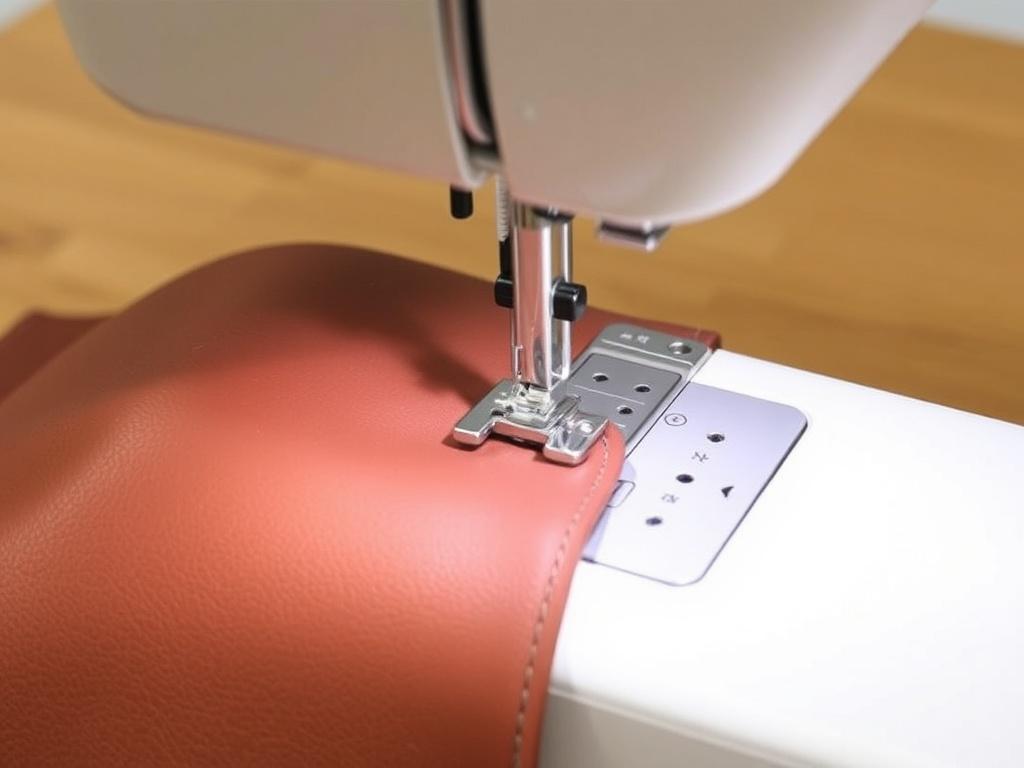
Selecting the right needle and thread is more than convention; it prevents skipped stitches, broken threads, and permanent surface damage. Leather needles (sometimes called chisel-point or wedge needles) cut a clean channel without tearing. Use sizes from 80/12 for light skins up to 110/18 for thicker hides.
For thread, bonded nylon or polyester in upholstery or topstitch weights provides strength without unnecessary bulk. Polyester is colorfast and resists UV and moisture, while nylon has a slightly shinier finish. Choose thread thickness according to needle size and hole visibility: thicker thread shows more, so balance strength with appearance.
Adhesives are a leather sewer’s secret weapon. Water-based contact cement or a repositionable leather glue holds seams together for stitching and prevents shifting. Use it sparingly along seam lines to temporarily fuse layers; this speeds sewing and avoids the need for many clips.
| Item | Best for | Notes |
|---|---|---|
| Leather needle | All leather types | Wedge point makes clean holes; size by thickness |
| Bonded polyester thread | General use | Strong, low-stretch, good for outdoor items |
| Walking foot | Layered pieces | Prevents slipping |
| Teflon or roller foot | Sticky synthetics | Glides over slick surfaces |
| Contact cement | Temporary adhesion | Use sparingly and ventilate area |
Cutting and marking: precision without ugliness
Cut cleanly and confidently. Use a rotary cutter against a straight edge for long cuts and a sharp knife for curves. Leather can slip, so place weights on your pattern and cut slowly—rushing makes uneven edges that are hard to correct later.
Marking on leather requires restraint. Chalk, tailor’s pencil, and water-soluble pens can work on some backs, but avoid marking the finished surface. For placement marks, punch tiny, easily concealed holes at seam allowances or use removable tape on faux leather. I prefer to mark on the wrong side or backing whenever possible.
Pattern layout differs from fabric. Because leather cannot be easily pieced with seams for stretch or shaped using darts, plan panels for contours and consider gussets or curved seams. For faux leather with stretch, add ease rather than taking it away—those materials can pull tighter after sewing.
Preparing and stabilizing pieces before sewing
Prep is where projects succeed or fail. Skive or thin seam allowances when you need to reduce bulk, especially at joins and corners. A skiving knife or machine removes material gradually so seams sit flatter and corners turn more neatly.
Interfacing choices differ from woven fabric. Use light or medium-weight interfacing on linings and on the wrong side of some faux leathers to stabilize buttonholes or areas that will take hardware. Avoid fusible interfacing directly on most leathers; adhesives with heat can alter finish or leave shine marks.
Test adhesives and stabilizers on scrap pieces. A single test prevents a ruined front panel. I once used a firm fusible on the wrong leather and discovered a visible sheen where it had attached—testing saved the rest of the hide.
Edge preparation and punch spacing
Edge finishing starts before you sew. Decide whether you’ll leave edges raw, burnish them, or bind them with tape or piping. For raw edges that will remain exposed, plan to skive and then burnish to a smooth finish.
Punching holes for hand-stitching or using a chisel for saddle stitch requires consistent spacing. A pricking iron or stitch spacer tool creates even holes and produces a hand-finished look. Keep punch spacing proportional to the leather thickness; too-distant holes weaken seams, too-tight holes can tear the leather.
When using a machine to stitch where you might want to add heavier thread later by hand, mark and punch holes first. Machine needles create different-sized holes than awls, and hand-stitching through machine holes can cause gaps or stress points if spacing is inconsistent.
Machine sewing leather: settings, techniques, and common adjustments
Set your machine thoughtfully. Use a longer stitch length—2.5 to 4 mm depending on thickness—to avoid perforating and weakening the material with too many close stitches. Short stitches concentrate holes and can tear under stress, especially on genuine leather.
Lower presser foot pressure if your machine allows it; too much pressure can flatten or distort leather, especially softer hides. If your machine lacks this adjustment, adding a thin strip of teflon tape under the foot or using a Teflon foot reduces drag on synthetic surfaces and makes feeding smoother.
Sew slowly and guide, don’t push. Leather does not tolerate being forced; let the machine feed the material, and use your hands to keep edges aligned. Learn to stop with the needle down to pivot accurately around corners—this prevents misaligned seams and puckered points.
Thread tension and stitch length troubleshooting
Skipped stitches usually point to incorrect needle type, dull needle, or improper tension. Switch to a leather needle and fresh thread before adjusting tension dramatically. If stitches continue to skip, check the bobbin case and clean any lint or build-up; synthetic backings can shed fibers that affect tension.
If the top thread is tight and pulls the bottom up, loosen top tension slightly. Conversely, if the bobbin thread shows on the top, increase top tension in small increments. Keep notes of settings that work for particular materials so you can reproduce them the next time.
Stitch length matters for appearance and strength. For decorative topstitching on a tote, a longer stitch looks intentional and bold; for structural seams, medium stitch length provides balanced strength without excessive perforation. Match your choice to the aesthetic and the material’s capacity to hold holes.
Hand sewing leather: when and how to use it
Hand stitching is slower but produces a beautiful, durable finish for many leather projects. Saddle stitch, where two needles alternate through the same holes, creates a seam that won’t unravel even if individual threads break. Use waxed thread and a set of sturdy needles for the best result.
To hand stitch, punch holes first using a chisel or awl, then thread two needles and work from opposite sides so each stitch locks. Keep stitches even and pull slightly to seat the thread without over-tightening; leather should lie snug, not puckered. Over the years I’ve preferred saddle stitch for wallet edges because of its longevity and the way it hugs corners.
For decorative stitching, consider using contrasting thread or wider spacing. Hand stitching allows visual decisions mid-project—tighten a bit more at one corner, leave a longer thread tail for a knot that becomes a design detail. That control is part of leatherwork’s charm.
Seams, topstitching, and edge finishing
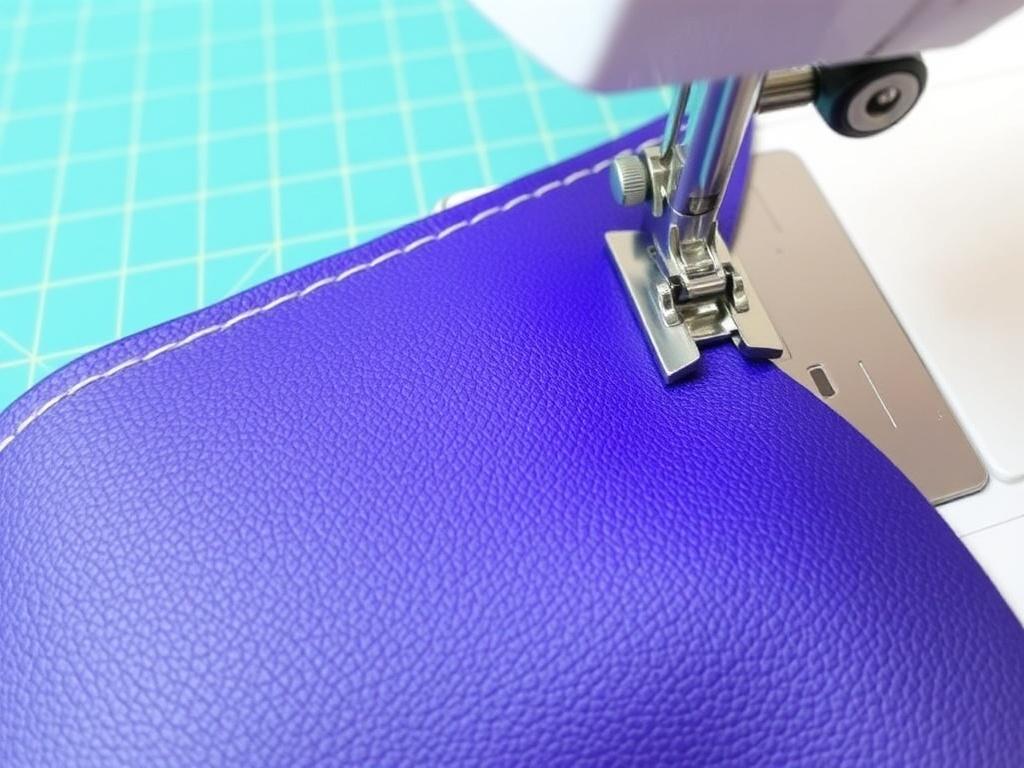
Seam choice depends on function and look. A lapped seam reduces bulk and looks tidy on bags, while a flat-felled-like technique adapted for leather gives a clean, strong result for straps and handles. Avoid traditional French seams; they’re bulky and rarely necessary with leather.
Topstitching secures seam edges and adds refinement. Use a thicker topstitch thread and longer stitch length for a visible, tailored line. When using contrast thread, practice on scraps to ensure stitch spacing and tension look intentional rather than accidental.
Edge finishing methods include burnishing, edge paint, and binding. Burnishing uses friction—often with a slicker or bone folder—and sometimes a bit of gum tragacanth or saddle soap to smooth and seal raw edges. Edge paint provides a consistent colored finish, while binding with fabric or tape hides raw edges completely.
Turning corners and box corners
Turning sharp corners in leather requires planning. Clip or skive the seam allowance carefully so the corner can lie flat. For faux leather, avoid cutting through the surface layer; instead, clip only backing or review alternative corner techniques like mitering or folding to avoid visible damage.
Box corners on totes work well when you want structure. Mark the square on the corner, align opposite sides, and stitch across the marked line. Trim the excess carefully and consider reinforcing the interior with a patch or interfacing to prevent wear at the corner point.
Practice on scraps to determine the most flattering corner radius for your material. Some leathers look better with rounded corners; others take sharp points with no problem. Visual consistency across a project matters more than any “perfect” technique.
Working with linings and interfacing
Lining choices affect feel and structure. A soft cotton lining gives a relaxed interior, while canvas or twill adds durability. For faux leather, a substantial woven lining can balance the slightly slippery surface and prevent items from slipping to the bottom of a bag.
Interface strategically. Rather than stabilizing the entire panel, reinforce only areas that need it: collar bands, pocket openings, and strap bases. This saves weight and prevents unnecessary stiffness while keeping stress points strong.
Sew linings slightly smaller than the leather shell in areas where you need the outer material to maintain shape. That slight difference pulls the lining taut and avoids sagging. Attach linings at the zipper or top edge and avoid topstitching through the outer leather unless you want the seam visible.
Hardware: choosing and installing rivets, snaps, and zippers
The right hardware completes a leather project. Choose rivets, snaps, and buckles rated for the thickness of your leather and the stress they’ll endure. Cheap hardware can break under strain or pull out of soft leathers, leaving an irreparable hole.
Zippers require precision. For heavy leather, an open-end or chunky zipper with sturdy tape and teeth is often the best choice. Burying a zipper between layers gives a clean look, while exposed zippers become a design feature—choose a zipper color and tooth size to match your design intent.
Install hardware on test pieces first. Mark placement, punch pilot holes, and check alignment carefully. I once placed a strap anchor an eighth of an inch off center and only realized after setting the rivet; test layouts save hides and keep final pieces symmetrical and professional looking.
Troubleshooting common problems
Puckering, skipped stitches, and holes are frequent frustrations, but they have predictable solutions. Puckering often results from too-short stitches, excessive presser foot pressure, or pulling the material while sewing. Adjust tension, increase stitch length, and let the machine feed the material naturally.
Skipped stitches generally come from needle mismatch or dullness. Swap in a fresh leather needle and confirm thread size compatibility. If your machine continues to skip, try a slightly larger needle or a different brand of needle—machines vary in what they like.
If holes remain visible and you want to hide them, consider decorative elements like patchwork panels, strategic topstitching, or covering with appliqué. Some leathers are forgiving, but many show every hole forever, so prevention remains the best cure.
Project planning: patterns, allowances, and mock-ups
Plan seams, hardware placement, and panel layout before cutting into an expensive hide. Create paper templates and glue them to cheap vinyl or Kraft paper to see how panels interact. This stage prevents awkward joins and helps you confirm grain direction and symmetry.
Allow extra margin for mistakes and edge finishing. A 1/4–3/8 inch seam allowance can be fine for many leather garments, but for bags and items with multiple layers, add more to accommodate trimming and finishing. When in doubt, make a mock-up in muslin or heavyweight interfacing to test fit and balance.
Consider the final thickness when assembling multiple layers. If several layers plus hardware will stack at a strap base, plan to skive seams or use stitching techniques that reduce bulk so the final result lies flat and looks intentional rather than lumpy.
A step-by-step: making a simple leather zip pouch
This short project illustrates many essential techniques in a compact format: a lined zip pouch requires cutting, a zipper, light interfacing, and careful edge finishing. Start with two outer panels and two lining panels cut to identical dimensions and a zipper slightly longer than the pouch width.
Attach the zipper to one outer panel and one lining panel using clips and a zipper foot. Use a bit of removable adhesive to keep the zipper edge from shifting. Stitch slowly with a longer stitch length, keeping the zipper teeth aligned with the outer edge for a neat finish.
Repeat on the other side, then press seams flat and turn the lining inward. Box the corners if you want depth by measuring and sewing across the marked square. Finally, topstitch along the top edge to secure the lining and outer shell in place, and burnish or edge-paint any exposed edges for a finished look.
Care, cleaning, and repairs
Care extends the life of leather and faux leather. For genuine leather, condition periodically with a leather conditioner appropriate to the hide; this prevents drying and cracking. For faux leather, a mild soap and water wipe-down keeps surface grime at bay without harming the finish.
Quick repairs include re-gluing lifted seams with leather cement, replacing snapped snaps with hand tools, and touching up scuffs using leather dye or edge paint. Keep a small repair kit with patches, adhesive, a few spare rivets, and a pen for touch-ups. I’ve revived old bags multiple times with simple tools that made them wearable again.
Store leather items away from direct sunlight and heat to avoid drying and color fading. For faux leathers, avoid prolonged exposure to heat sources that could warp or melt the synthetic surface. Using dust bags for finished pieces will protect from dust and accidental scuffs.
Where to source materials and how to choose scraps
Local leather shops, upholstery suppliers, and reputable online vendors offer a wide range of hides and faux leather. Buy samples when possible. A small scrap can tell you more about feel, finish, and stitch behavior than product photos ever will.
When shopping for scraps, look for usable areas free of holes and deep scars. Many hides have character marks that can be worked into a design, but plan cuts around imperfections. For practice, inexpensive remnants are perfect for dialing in tension, needles, and stitches without risking a high-cost hide.
For faux leather, check the backing. A woven backing gives stability and reduces stretch; a knit backing offers stretch and a softer hand. Match the backing to project needs: garment linings and fitted pieces benefit from more stretch, while structured bags need stable backing.
Safety and workspace setup
Create a workspace with ventilation when using adhesives and edge finishes. Many contact cements and edge paints give off fumes that are best avoided. Open a window, use a small fan to direct fumes away from your face, and consider a respirator for extended use.
Keep blades sharp and away from your body when cutting. A cutting mat large enough for your patterns reduces the chance of slips and keeps blades from dulling quickly. Store tools clean and organized so you can focus on the craft rather than hunting for a missing screw or clip.
Protect your hands with thimbles or leather-patching gloves for heavy-duty hand-stitching and tool use. Leather work can be physically demanding—building a small rest spot for elbows and taking frequent short breaks will keep your work precise and your body comfortable.
Personal tips and lessons learned from experience
I started leatherworking with a thrift-store office chair and an old residential machine; the finishing on that first tote taught me patience and the value of proper tools. Switching to a walking foot and buying a pack of leather needles was transformational—suddenly seams were straight and skipped stitches vanished.
One practical habit I developed is labeling pieces as I cut them. Stamping a small code on the wrong side keeps panels from getting swapped mid-assembly. That simple step saved me from mismatched grain directions and frustrating re-cuts on several projects.
Another lesson: embrace scrap testing religiously. Every new thread, needle, or adhesive gets its own test square. That practice prevents many small mistakes from becoming permanent, and it builds a reliable set of settings and materials for future projects.
Creative ideas and next steps for practice
Start small and build complexity. Make cardholders, key fobs, and zip pouches before attempting jackets or upholstered pieces. Small projects teach you skiving, edge finishing, and attaching hardware without the time and cost investment of large items.
Experiment with mixed materials. Combining canvas with leather panels or adding woven trims to faux leather creates interesting contrasts and can reduce cost without sacrificing durability. Try changing thread colors, stitch spacing, or adding decorative rivets to make pieces uniquely yours.
Join local workshops or online craft communities to get feedback and see techniques in action. Watching someone hand-burnish an edge or set a rivet in person accelerates learning far more than reading alone, and you’ll pick up tricks that aren’t written in manuals.
Sewing with Leather and Faux Leather: Tips and Tricks to sew smarter
Learning to sew with leather and faux leather is a series of small adjustments rather than a single leap in skill. Invest in the right needles, treat your machine gently, and lean on adhesives and clips to hold pieces steady. With time, the rhythm of cutting, clipping, gluing, and stitching becomes intuitive.
Above all, respect the material. Leather rewards careful planning and deliberate decisions; faux leather often forgives with flexibility but has its own quirks. Keep a tidy workspace, test before committing, and celebrate the small wins—each well-sewn seam builds confidence for more ambitious projects.
Take these techniques, try them on scraps, and then choose one simple project to complete start to finish. The satisfaction of turning raw hide or a sturdy synthetic into a functional, beautiful piece is unmatched—and the knowledge you gain will travel with you into every future creation.