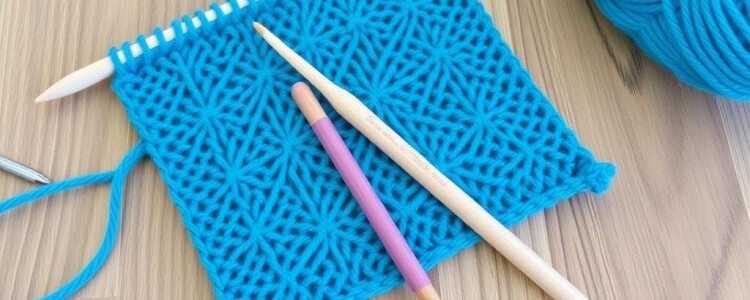
There’s a particular pleasure in using tools you made yourself—especially when those tools are the small engines of creativity in your hands. Making your own knitting needles and crochet hooks can be a surprisingly accessible craft, whether you’re turning a piece of scrap wood into a favorite straight needle or shaping a custom ergonomic hook to fit your grip.
why make your own tools instead of buying them?
Commercial needles and hooks are fine, but they come with design compromises that aren’t ideal for every knitter or crocheter. When you make your own, you choose weight, balance, taper, and finish so the tools feel like an extension of your hands.
Customization is the obvious draw—longer or shorter needles, a softer curve, a chunkier handle for arthritic hands, or a particular tip sharpness for a stitch type. There’s also economic and environmental appeal: local woods, reclaimed metal, or simple dowels can be less expensive and more sustainable than mass-produced items.
Finally, handmade tools carry sentimental and gifting value. A set of needles turned from a tree that grew in your backyard or a hook shaped with a friend’s name in mind becomes more than a tool; it becomes a story you tell every time you knit or crochet.
materials at a glance: what works and why
Selecting the right material is a center-point decision for success. Different materials affect friction, warmth, weight, and durability, and some lend themselves better to particular shaping techniques or finishes.
The rest of this section describes common choices and when to pick them, so you can match material to project goals and available tools.
hardwoods: warmth and character
Hardwoods like maple, birch, cherry, and walnut are staples for handmade needles and hooks because they turn and sand nicely. Their natural grain and color create a pleasing aesthetic and a slightly warm, tactile feel that many fiber artists prefer to cool metals.
Before turning or carving, choose kiln-dried stock to reduce the chance of warping or cracking. If you’re working with green wood or reclaimed wood, allow extended drying time and check for lingering splits before committing to a fine taper.
bamboo: light and flexible
Bamboo is a popular commercial and DIY option due to its light weight and slight spring, which can give a gentle bounce when knitting. It sands smoothly and is often available as straight, consistent culms that are easy to size and finish for straight needles and hooks.
Bamboo isn’t truly a hardwood; it’s a grass-based composite, so take care when shaping thin tapers or small-diameter hooks to avoid splitting. Sealing the surface properly helps prevent fraying from yarn oils and sweat.
metals and alloys: speed and precision
Aluminum and stainless steel provide slick, fast surfaces favored for delicate yarns and high-speed crocheting or knitting. Metal rods can be machined into precise sizes and maintain shape for years, making them ideal for long straight needles and hooks used with slippery fibers.
Working metal requires different tools—files, lathes, or a metalworking shop—so consider access and safety. Metals also feel cold to the touch, which some people dislike, but you can offset that with larger, ergonomic grips made of wood or polymer attached to the shaft.
synthetic options: resin, acrylic, and polymer clay
Resin and acrylic allow for bright colors, translucence, and complex shapes that would be difficult in natural materials. They are often used for decorative handles or entire hooks created in molds or turned on a lathe from cast blanks.
Polymer clay is a low-barrier option for custom hook heads or grips—bake and seal according to manufacturer instructions, then sand smooth. Keep in mind that synthetic surfaces can be more prone to cold or brittle failures if poorly cured or layered.
comparison table: strengths and weaknesses
| Material | Pros | Cons | Best for |
|---|---|---|---|
| Hardwood (maple, walnut) | Warm feel, aesthetic grain, durable | Requires drying, can chip if thin | Straight needles, ergonomic grips |
| Bamboo | Lightweight, springy, affordable | Can split, less uniform | Hooks, lightweight needles |
| Aluminum/Stainless | Precise sizing, durable, slick | Cold touch, needs metalworking tools | Fine needles, hooks for slippery yarn |
| Resin/Acrylic | Colorful, moldable, stable | Needs casting or curing, brittle if thin | Novelty hooks, decorative needles |
| Polymer clay | Accessible, customizable shapes | Not as durable under stress | Handles, small specialty hooks |
tools and workspace essentials
You don’t need a full machine shop to start, but the right tools make the process faster, safer, and more accurate. At the very least, plan on a couple of reliable hand tools and a clean, well-lit workspace.
This section lists common tools and why they matter. You can scale your setup depending on whether you’re doing simple dowel conversions or actually turning on a lathe.
basic hand tools
A fine-toothed saw, sandpaper in a range of grits (80–1000), files, and a small drill or hand drill are essential. Even for simple projects you’ll also want good measuring tools: a ruler, tape measure, and a caliper for diameter checks.
Sharp carving knives, spokeshaves, and rasps are helpful for shaping tip tapers by hand. Invest in quality sandpaper and a sanding block—smoother surfaces mean fewer yarn snags and a professional feel.
power tools for speed and precision
A wood lathe opens many possibilities: perfectly round shafts, consistent tapers, and polished finishes with friction polish or wax. For metalworking, a metal lathe and appropriate cutting tools give the ability to work aluminum or steel rods with high precision.
Dremel rotary tools are versatile for small shaping, drilling, and polishing work. A drill press helps make clean holes for cables on circular needles. If you don’t have a lathe, a high-quality sanding jig and steady hands can still yield good results.
measuring and finishing tools
Digital calipers are invaluable—needle and hook sizes are specified in millimeters and fractions, so accurate measurement avoids frustrating mismatch between tools and patterns. A dedicated needle gauge—either store-bought or homemade—saves time when sizing a finished tool.
For finishes, have rags, brushes, a small container of finish (e.g., tung oil, wipe-on polyurethane), and a soft cloth for buffing. Always work with proper ventilation when using solvents or sprays.
making straight knitting needles: step-by-step approaches
Straight needles are the simplest project and a great place to begin. Methods range from converting dowels and pencils to full woodturning on a lathe for custom designs.
Below are a few approaches organized by complexity so you can pick the one that matches your tools and confidence.
easy method: dowel or bamboo conversion
Start by selecting a dowel or bamboo stick that’s slightly larger than your desired finished diameter. Cut to length, mark the midpoint, then trim the ends to form a gentle taper with a rasp or file.
Progress through sandpaper grits to smooth the taper and the shaft, working up to a fine grit around 600–800 for a silky feel. Seal with a wipe-on oil or thin polyurethane and let cure; buff lightly and check the diameter with calipers before labeling the size.
intermediate method: hand-shaping from hardwood
Cut a blank slightly oversize in length and diameter. Use a spokeshave or carving knife to establish the taper and profile, working symmetrically from the midpoint toward each tip for balance.
Sanding and measuring are crucial throughout; work slow and test the tool in yarn frequently. Finish with several coats of your chosen sealer, sanding between coats for a glass-smooth surface.
advanced method: lathe-turned needles
Turning on a lathe gives the most consistent results and opens up decorative options like fluted shafts, stepped grips, and inlaid markers. Mount a squared-up blank between centers or in a chuck and use sharp gouges to shape the profile.
Work from roughing to final shaping with progressively finer tools and sandpapers. Apply friction polish or wipe-on finish while the blank is spinning for an even coating and a lustrous finish that highlights the wood grain.
creating circular needles and cables
Circular needles combine two tapered tips with a flexible cable. You can adapt straight needles by drilling and attaching a cable or make fully custom circulars with turned tips and fitted ferrules.
Choices for cable material include nylon-coated stainless steel, braided nylon, and plastic tubing; match cable stiffness and diameter to the needle size and weight you want in-hand.
step-by-step: attaching a cable to turned tips
Turn or shape two matching tips with a small mortise or drilled hole at the butt end sized for a ferrule or screw-thread insert. Fit metal or brass ferrules to the tips and glue or mechanically secure them depending on the type of joint you prefer.
Insert the cable into the ferrules and test for flexibility and stress at the join by knitting a swatch. A smooth joint is crucial—mismatched or rough ferrules will snag yarn and break knitting rhythm.
making seamless circulars from metal or synthetic rods
For metal circulars, rods can be formed and welded into continuous loops or fitted with screw-in tips. Synthetic circulars can be turned from cast blanks or molded in two halves and joined around a flexible core.
Seamless joins are ideal for slippery yarns because they prevent yarn catching and are easier on delicate fibers. This method typically requires specialized equipment, but the result is a highly polished, professional tool.
double-pointed needles and specialty shapes
Double-pointed needles (DPNs) are small, tapered sticks typically made in sets of four or five. They’re straightforward to make from short blanks if you can produce consistent tapers and identical lengths.
Smaller diameters are more sensitive to grain direction and can split; choose strong, straight-grained stock and avoid excessive thinning near the tip.
tips for consistency in multiple pieces
When making DPNs, create a template or jig to mark lengths and taper points so each needle in the set matches the others. Work on all corresponding sections in parallel—rough the same feature across all blanks before refining to final shape.
Clamp or chuck your blanks so you rotate through them in the same order; this minimizes variation from tool angle or hand position and produces sets that behave identically in a project.
making crochet hooks: techniques and specifics
Crochet hooks are distinct from needles because the head must include a hook shape and throat to catch and release yarn reliably. That profile requires attention to curvature and smoothness near the tip.
There are many ways to make hooks, from simple bent-wire versions to carved hardwood hooks and fully cast resin hooks. Your method will depend on desired appearance, durability, and the tools at hand.
simple wire or nail hooks
A quick, low-cost hook can be made by bending a length of sturdy wire or a thin nail into a hooked end and filing it smooth. This is a good way to test head shapes and tapers before committing to a more permanent material.
These makeshift hooks are lightweight but less durable; they can be useful in a pinch and are instructive for understanding throat geometry—the critical zone where yarn loops sit.
hand-carved wooden hooks
Carving a wooden hook starts with a straight blank that you shape into a tapered shaft and then cut out the hook head and throat with a gouge or carving knife. Smoothness is key: the throat area must be sanded meticulously to avoid snags.
Many crafters prefer a rounded, slightly spooned head for yarn control. After shaping, seal with an appropriate finish that won’t react with yarn fibers or become sticky over time.
polymer clay and resin hooks
Polymer clay lets you sculpt complex handle shapes and then bake the piece to harden it, after which you sand and finish the surface. Resin can be cast in silicone molds to produce identical hooks, which is useful for small production runs or gifts.
Both materials can be reinforced with embedded wire or a carbon-fiber core for strength in slender hooks. Be mindful of curing instructions and post-cure sanding to yield a silky surface that glides across yarn.
shaping tips and tapers for consistent stitch control
The tip profile—blunt, tapered, sharp, or rounded—affects how the tool interacts with yarn and stitches. Different fibers and stitch patterns benefit from different tip geometries.
For instance, lace knitting often favors sharper tips for working small, open stitches, while bulky yarns and Tunisian crochet may work best with blunter, more rounded tips.
how to design a taper
A taper is the transition between the shaft’s full diameter and the tip. Smooth, gradual tapers provide gentle stitch transfer and are easier on yarn, while abrupt tapers produce more precise, controlled stitch insertion.
When you shape a taper, check thickness at intervals with calipers and test on swatches to verify how the stitches slide. Minor adjustments to the angle can change how the tool splits yarn or picks up loops, so work incrementally.
finishing options: protect the wood and enhance feel
Finishes affect both appearance and performance. They protect the material from oils and moisture, reduce friction, and can warm up a metal or make a synthetic feel more natural.
Choosing a finish depends on the material and the intended use; food-safe oils, wipe-on polyurethanes, and wax blends are common choices for handcrafted tools.
oils and waxes
Tung oil, linseed oil, and danish oil penetrate wood and create a warm, matte finish that feels natural in the hand. Follow with a beeswax or carnauba wax buff to add a slight sheen and additional protection.
These finishes are repairable; if the surface gets dinged, you can sand and reapply rather than replacing the tool. They are also generally safe for contact with skin and fiber.
polyurethane and varnish
Wipe-on polyurethane creates a hard, durable shell that resists dirt and dampness. Use thin coats and sand lightly between applications to avoid buildup in the taper or tip area that could snag yarn.
High-gloss polyurethane will feel slick, which some knitters love; others prefer the warmth of oil-and-wax combos. Test finishes on scrap to confirm the tactile result before committing to a full tool.
epoxy and resin coatings
Epoxy or UV resin can create a glass-smooth surface ideal for showing off inlay or embedded items. They’re commonly used for resin blanks turned into colorful needles or hooks.
Ensure full curing and avoid bubbles by following manufacturer guidance. Epoxy can be brittle if applied too thinly over flexible cores, so match materials carefully.
measuring and sizing: precision matters
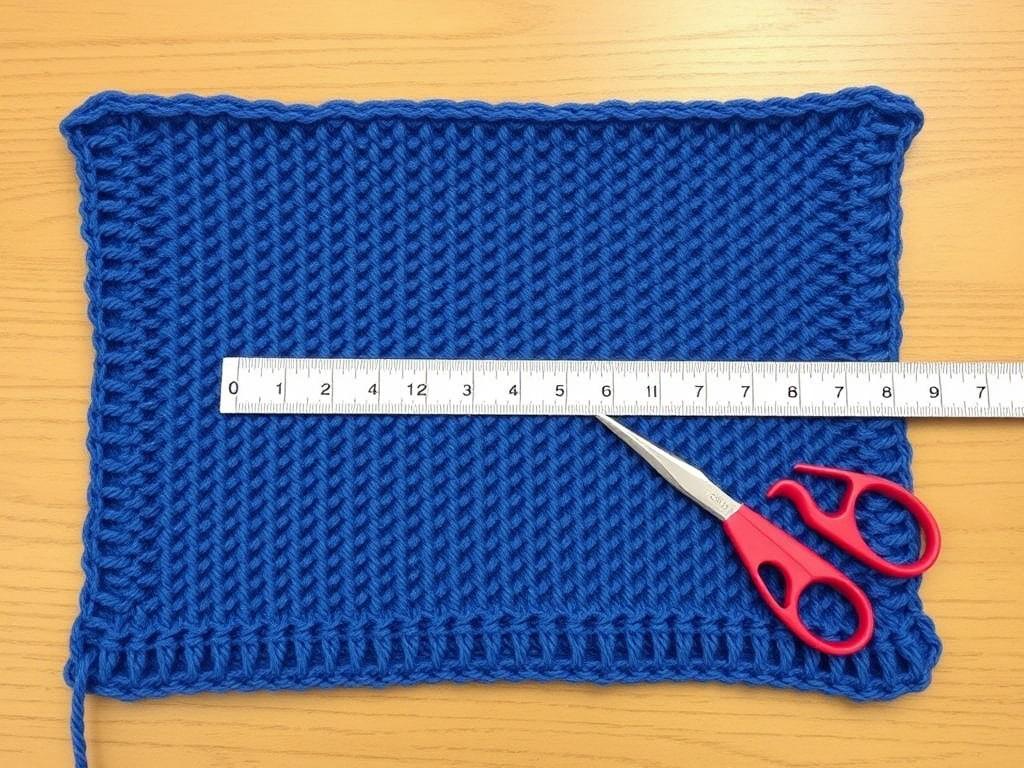
Needle and hook size is often described in millimeters; accuracy here prevents frustration when working with patterns or yarns specified for a particular gauge. Use calipers or a needle gauge to confirm diameters.
The table below shows common conversions between US sizes and millimeters to help you label your handmade tools clearly.
| US Size | mm | Common use |
|---|---|---|
| 0 | 2.0 | Fingering, lace |
| 2 | 2.75 | Fingering |
| 4 | 3.5 | Sport |
| 6 | 4.0 | DK |
| 8 | 5.0 | Worsted |
| 10 | 6.0 | Bulky |
| 11 | 8.0 | Chunky |
| 15 | 10.0 | Super bulky |
labeling and record keeping
Once you measure a needle or hook, mark it discreetly near the butt—burned numbers, inked stamps, or small engraved dots all work. Keeping a simple inventory—date, material, and measured size—makes it easy to replace or reproduce a favorite tool later.
Photographing unique finishes or inlay work helps when you want to make a matching pair or set down the road. This practice saved me hours when I later rebuilt a set that had been lent and partially lost.
common pitfalls and troubleshooting
Even with care, mistakes happen. Typical problems include uneven tapers, tip splits, rough finishes that snag yarn, or finishes that flake over time.
Below are practical fixes and preventative measures drawn from hands-on experience to help you refine your process.
fixing rough or sticky finishes
If the surface feels rough, start by sanding through progressively finer grits until smooth, then apply a thin fresh coat of finish. For sticky areas caused by excess oil, clean with mineral spirits, sand lightly, and refinish.
Many finish issues stem from poor dust control or insufficient curing time. Allow generous cure times and sand between coats to avoid tacky surfaces.
repairing small splits and chips
Small splits can often be stabilized by injecting a thin wood glue or cyanoacrylate into the crack and clamping lightly until cured. For chips, fill with a colored epoxy or a mixture of sawdust and glue, sand flush, and refinish.
To prevent splits in the first place, avoid excessive thinning near the tip and choose stock with straight grain and minimal knots.
dealing with size inconsistencies
If a tool measures off target, you can bring it to the desired diameter by sanding or turning, but reducing diameter limits the number of times you can correct the same blank. Work gradually and check frequently.
For pieces that are too thin, consider adding a custom handle or grip to hide the mismatch and improve ergonomics. A polymer clay or wood grip can rescue an otherwise too-thin shaft and make it feel intentional.
safety and workspace best practices
Working with wood, metal, or synthetics creates dust and sharp edges; addressing safety up front keeps the craft enjoyable and sustainable. Wear eye protection, a dust mask or respirator when sanding, and use hearing protection around power tools.
Keep a clean bench, clamp work securely, and maintain sharp tools—dull blades are more dangerous because they require more force. Secure loose clothing and tie back long hair around lathes and drills.
finishing safety
Many finishes contain solvents that can irritate or harm if used without ventilation. Work outdoors or in a well-ventilated space, and use nitrile gloves to protect skin from prolonged exposure.
Dispose of oil-soaked rags properly; some oils can spontaneously combust if bunched up while wet. Lay rags flat to dry outdoors or seal in a metal container before disposal.
personal tips and small techniques I rely on
Over years of making tools I’ve picked up several small habits that improve both process and product. One is making a thin paint pen mark at the midpoint on blanks to help maintain symmetry when turning multiple pieces.
Another is keeping a “finish test strip” from each batch of finish and curing it near my bench so I can check color and tack before applying it to a finished needle or hook. That practice has saved many pieces from an unsatisfactory final coat.
I also like to sand final coats with 0000 steel wool and then buff with beeswax on a lathe at very low speed; the result is a silky surface that’s durable and pleasant to hold. It’s a simple trick that elevates a tool’s in-hand experience significantly.
design ideas and personalization
Customizing tools with inlays, colored resin handles, or carved motifs turns a practical object into an artful keepsake. Consider embedding a small ring of contrasting wood or a thin band of brass at the butt for visual interest and grip definition.
For gifts, incorporate the recipient’s name or initials with a wood-burning tool or a small metal tag. People notice and appreciate the extra thought, and a handmade set often becomes a cherished heirloom.
creative grips and ergonomic shapes
Some crafters prefer bulbous handles for reduced strain, while others like slender shafts with a tapered ergonomic swell in the middle. You can create these shapes on a lathe or by building up a base shape with polymer clay, then finishing with smooth coats.
Test prototypes on real knitting or crochet projects before committing to a final finish—comfort is personal, and a small change in diameter or swell can make a big difference for long sessions.
when to buy and when to make
There will still be times when buying is the better option—complex precision tools, very small diameters, or specialized metal alloys may be more practical to purchase. Handmade tools shine when you want a personal touch or a specific ergonomic solution.
Start with simple projects and move toward more ambitious work as you gain confidence. Even if you don’t replace every store-bought needle, the knowledge and satisfaction gained from creating a few custom pieces is worth the effort.
final tips to get started today
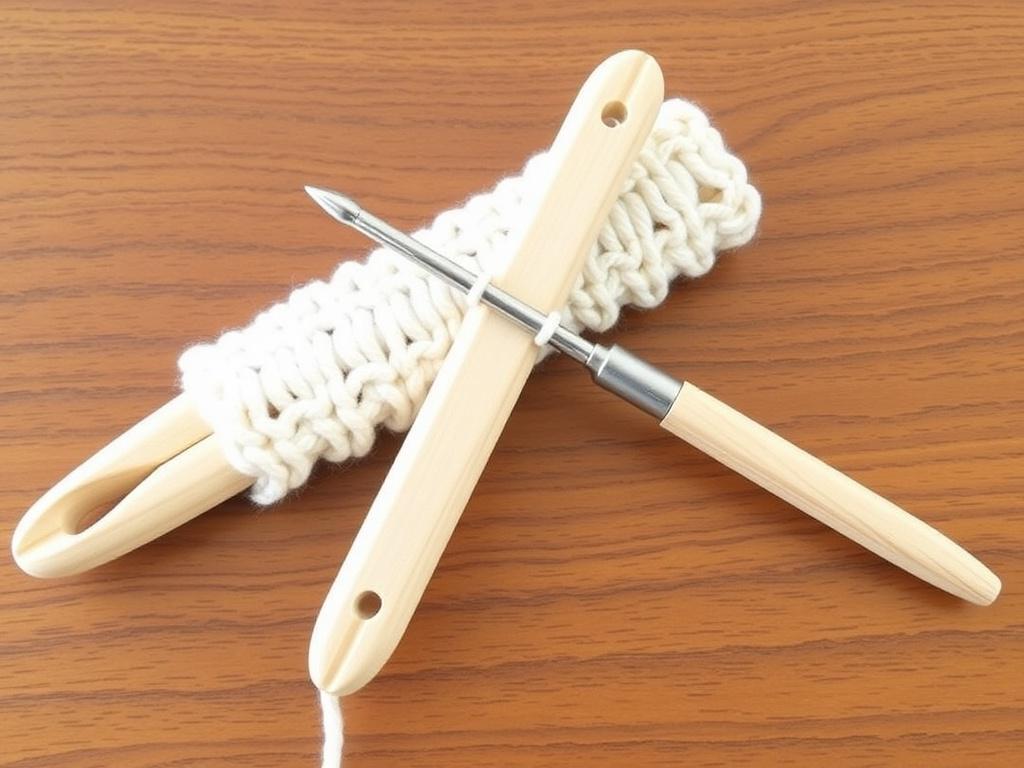
Begin with an approachable project: convert a dowel into a pair of straight needles or carve a single wooden hook from a spare strip. These small wins build confidence and teach you the feel of shaping and finishing tools for fiber work.
Keep a small kit of essential supplies—sandpaper, calipers, saw, and a good finish—and gradually add tools like a lathe or Dremel if you find yourself hooked. The craft grows naturally as your interest and needs expand.
Most of all, enjoy the process. Making your own knitting needles and crochet hooks is as much about developing skill as it is about making objects you love to use. Those first few projects might be imperfect, but each one teaches something that improves the next.