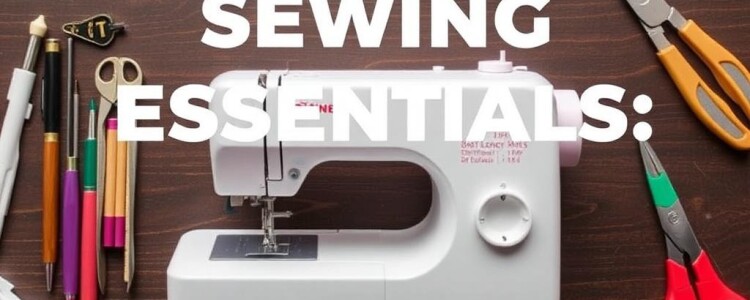
Starting to sew is like learning a new language: the tools are your alphabet, and the projects are conversations that teach you rhythm and structure. If you want a kit that serves you for years, you need more than a random pile of notions; you need tools chosen with purpose and arranged for easy use.
This guide, Sewing Essentials: Must-Have Tools for Your Kit, walks through the practical choices—what to buy first, what to upgrade later, and how to care for everything so your tools last. I’ll mix clear, hands-on advice with real-life examples from projects that taught me which items matter and why.
Core philosophy: what a good kit should do for you
A useful sewing kit saves time, reduces frustration, and widens the kinds of things you can make. That sounds straightforward, but many beginners end up with either a scatter of cheap tools or a single expensive gadget that doesn’t fit their needs.
Think of your kit as modular: a strong foundation of a few reliable tools, then a set of project-specific items you add as needed. This approach keeps costs reasonable while making each purchase feel intentional.
Essential cutting and shaping tools
Cutting well is half the battle in sewing. A dull or unsuitable tool will ruin fabric and waste time, so invest in proper scissors and blades from the start.
Good shears, a rotary cutter, and a small pair of snips cover almost every cutting need. Keep them sharp and use each tool only for its intended job to extend their life.
Dressmaker shears and fabric scissors
Dressmaker shears are heavy, long-bladed scissors designed to cut multiple layers of fabric cleanly. They belong in every kit and should never be used on paper or thread, which dull the blades.
I learned this the hard way after using my shears to open a package; the next day my muslin edge was ragged. A decent pair—stainless steel blades with comfortable handles—will feel like an extension of your hand.
Rotary cutter and cutting mat
For quilting, straight lines, or when you need speed, a rotary cutter is indispensable. Use a self-healing cutting mat underneath to protect both the blade and your table surface.
Rotate your blade before it gets gummy, and keep extra blades on hand. A 45mm or 60mm cutter covers most needs; choose comfort over cheap handles to prevent hand fatigue during long cutting sessions.
Pinking shears and thread snips
Pinking shears create a zigzag edge that reduces fraying on woven fabrics. They’re not necessary for every project, but they’re handy for quick finishing or when you don’t want to use a serger.
Thread snips—small spring-loaded scissors—are a tiny pleasure to use. They make clipping threads fast and precise, and they often become your go-to tool when sewing gets busy.
Measuring and marking tools
Accuracy begins with correct measuring. A flexible tape, clear rulers, and a few marking tools help translate pattern numbers into garments that fit.
Marking should be visible enough to follow but easy to remove. Test any marking tool on a fabric scrap before committing it to a finished piece.
Flexible tape measure and clear rulers
A soft, flexible tape is essential for body measurements and curved seams. Pick one that locks or has clear inch and centimeter markings for versatility.
For straight lines and hems, a clear acrylic ruler or a quilting ruler helps you see seam lines and fabric layers—especially useful when using a rotary cutter.
Hemming gauge, seam gauge, and French curves
Small tools like a seam gauge and a hem gauge make repetitive measuring painless. They’re inexpensive but save a lot of guesswork when marking hems or seam allowances.
French curves are useful for pattern alterations and drawing smooth armholes or necklines. If you alter patterns often, these become quiet heroes in your kit.
Marking tools: chalk, pens, and awls
Tailor’s chalk, fabric pencils, and heat-erasable pens each have roles. Chalk is forgiving and visible on dark fabrics, while water-soluble pens work well on light fabrics and for temporary marks.
An awl or tracing wheel helps transfer pattern markings through layers. Always test a marking tool on a scrap to ensure it disappears cleanly; nothing is worse than a stubborn mark on your finished garment.
Hand sewing needles, pins, and clips
Hand tools are quiet but essential. Even if you love machine sewing, you’ll reach for a hand needle more often than you think—for basting, finishing details, and repairs.
Quality pins and needles feel smooth passing through fabric and hold layers without causing runs or holes. Keep a variety of sizes and types available.
Needles: sizes and types
Sharps or universal needles are all-purpose and a good place to start. Ballpoint needles are designed for knits, and heavier needles handle upholstery or canvas-like materials.
Keep an assortment pack in your kit and replace needles frequently. A bent or dull needle leads to skipped stitches and fabric damage.
Pins vs. clips
Fine glass-head pins are ideal for delicate fabrics because they’re less likely to leave holes. For bulky seams or vinyl, binding clips are safer and more efficient than pins.
Magnetic pin bowls keep your pins contained and speed up cleanup. I pair a small cushion for daily use with a magnetic tray for larger projects; it’s a small habit that prevents lost pins.
Sewing machine essentials and maintenance
Your sewing machine needs its own set of tools: appropriate needles, bobbins, feet, and basic maintenance supplies. Treating a machine well prolongs its life and saves money on repairs.
Learn basic maintenance—cleaning lint, oiling if your model requires it, and changing needles regularly. Routine care prevents many performance problems.
Bobbins, needles, and presser feet
Keep extra bobbins pre-wound in thread colors you use most often, and store them labeled by machine type. Stock several needle sizes and types for different fabrics.
Presser feet expand your machine’s capabilities: a zipper foot, walking foot, and a basic non-stick foot for leather and vinyl are the most useful additions. Swap them as projects demand for better results.
Machine cleaning and troubleshooting
Remove lint from the bobbin case and feed dog area regularly, and consult your manual for oiling points if applicable. A yearly professional service is worth the expense if you sew often.
For common problems like skipped stitches, check needle alignment and type first. Most issues come down to a dull needle, incorrect thread tension, or lint buildup—small fixes, big differences.
Thread and other basic notions
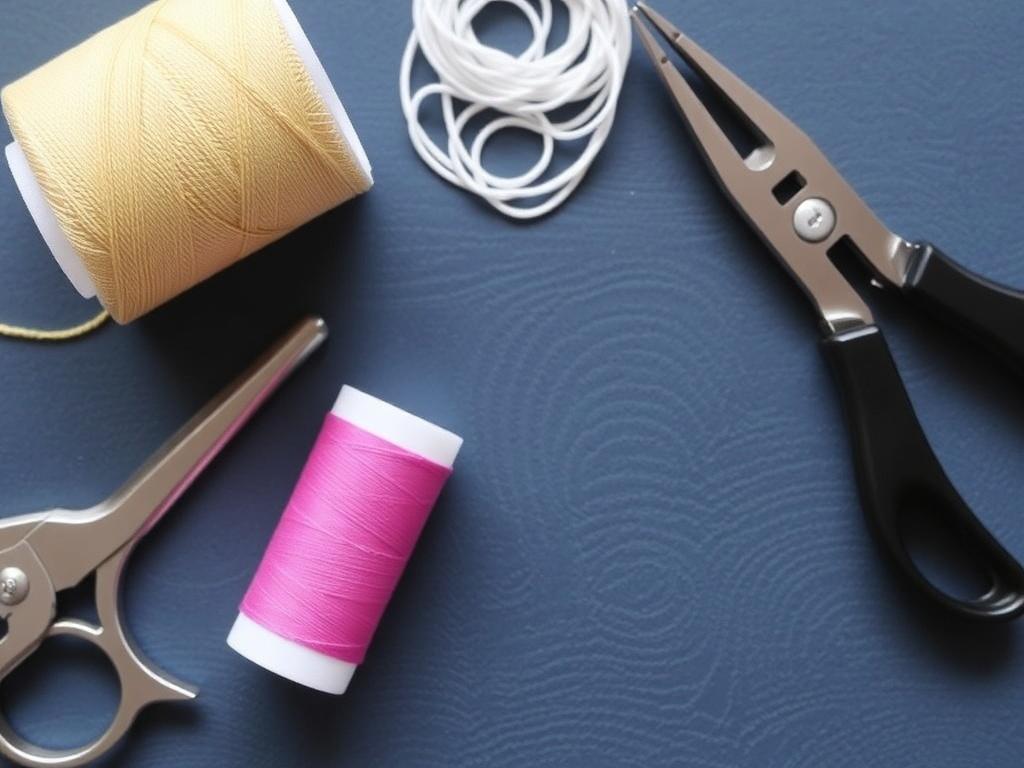
Thread is deceptively consequential. The right thread matches the fabric weight and construction method; the wrong one can cause puckering or weak seams.
Other everyday notions—rulers, interfacing, elastic, and a seam ripper—round out a practical kit. A seam ripper, despite its reputation as a tool of failure, can be the most frequently used and cherished item in your box.
Thread types and when to use them
All-purpose polyester thread is strong and slightly elastic, making it great for most garments and home-sewing projects. Cotton thread is attractive on natural-fiber projects and quilt work where heat sensitivity matters.
For heavy fabrics use a topstitch or upholstery thread. Match thread weight and fiber to the fabric and application, and keep spools covered to prevent dust build-up.
Seam ripper and small fixes
A precise seam ripper saves garments and nerves. Choose one with a comfortable grip and a sharp point; keep it in a protective sheath when stored to avoid accidental damage.
Also include a small pack of needles for mending and a tiny spool of neutral thread for quick repairs. A mending kit in your sewing space supports fast fixes without a full project setup.
Pressing and finishing tools
Pressing is not ironing; it’s shaping. A dependable iron and pressing surface will improve finishes more than nearly any other single investment.
Learn to press seams open, set hems with steam, and use a pressing cloth for fabrics that shine or scorch easily. Pressing tools transform the professional look of a garment.
Iron, ironing board, and pressing cloth
Choose an iron with reliable steam output and a clean soleplate. A board with adjustable height and a firm surface matters; soft or wobbly boards make precise pressing difficult.
Keep a lightweight pressing cloth to protect delicate fabrics. I often use a scrap of cotton muslin for this purpose; it’s inexpensive and washable.
Tailor’s ham, seam roll, and clapper
For curved seams and darts, a tailor’s ham helps you press without flattening the shape. A seam roll works for long sleeves and narrow seams without creating a crease on the front.
A clapper—a wooden tool used to set seams—seems old-fashioned until you use it. It delivers a crisp finish that looks tailor-made, especially on collars and cuffs.
Storage, organization, and safety
Your tools last longer and work better when they’re organized. A few smart storage solutions make sewing sessions faster and reduce the chance of misplacing small items.
Safety matters: use thimbles and protective gloves when necessary, and keep sharp objects stored safely. A tidy workspace is a safer one.
Work surface and storage ideas
Dedicate a table for cutting and a sewing station for your machine; stacking those tasks on one surface adds time and clutter. Pegboards, small drawers, and clear containers let you see what you have.
Label drawers and containers so you quickly find what you need. I keep bobbins in a clear case and pins in a magnetic dish near the machine to speed transitions during sewing sessions.
Safety basics
Always unplug your iron and sewing machine when changing needles or feet. Use a small broom or vacuum to clean up loose threads and pins rather than your hands to avoid punctures.
Consider a small first-aid kit within reach: a few adhesive bandages, antiseptic wipes, and a pair of tweezers handle most minor incidents without interrupting your flow.
Specialty tools for specific projects
Once you’ve mastered basics, a handful of specialty tools unlock new techniques. Choose these based on the projects you want to pursue rather than buying everything at once.
Tools like a serger, bias tape maker, or buttonhole cutter can change your workflow dramatically, but they have a learning curve and should be invested in with purpose.
Serger (overlocker) and its role
A serger trims and finishes seams while stitching, producing a clean factory look on knit and woven garments. It’s invaluable for knitwear and production sewing, but not strictly necessary for all hobbyists.
If you sew stretch fabrics frequently, a basic serger will save time and improve durability. Otherwise, honing professional seam finishes with your machine and a zigzag stitch can suffice.
Button tools, zippers, and closures
A quality zipper foot and an assortment of zipper types (invisible, separating, metal) expand what you can make. Buttonhole attachments and a sturdy awl help with tailored garments and coats.
For leather or thick fabrics, a heavy-duty needle set and possibly a thimble or leather needle punch are essential. Match the closure method to the fabric’s demands for a durable finish.
Tools by project: quick shopping lists
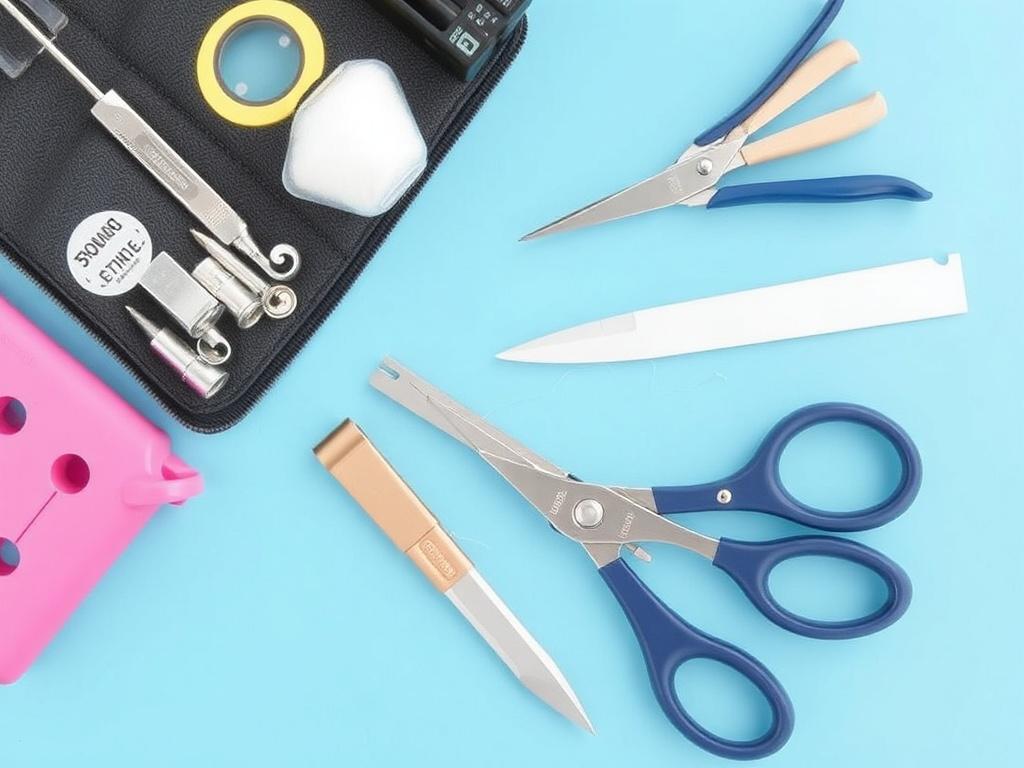
Different projects require specific extras. Here are concise kits depending on whether you’re making garments, quilting, or doing mending and alterations.
- Garment sewing: dressmaker shears, sewing machine needles (universal and ballpoint), zipper foot, stretch thread for knits.
- Quilting: rotary cutter, cutting mat, quilting rulers, quilting pins, walking foot, quilting thread.
- Mending/alterations: seam ripper, small sharp scissors, assorted hand needles, tailor’s chalk, dressing pins, small assortment of neutral threads.
These lists are intentionally compact; as you gain experience, you’ll discover a few personal favorites that deserve a permanent place in your box.
How to choose quality without overspending
Price correlates with quality in many tools, but not always. Learn which items to splurge on and which you can buy modestly without sacrificing performance.
Invest more in cutting tools, irons, and a reliable sewing machine; save on inexpensive notions like pins and pencils until you know you’ll use specialty versions frequently.
Where to spend and where to save
Spend on: dressmaker shears, a dependable iron, and a good sewing machine. These shape your day-to-day experience and last years if maintained.
Save on: starter packs of needles, basic measuring tools, and inexpensive marking supplies until you identify your preferred brands or types. Buying the expensive option too early often leads to waste.
Trusted brands and recommendations
Brands like Gingher and Fiskars make reliable shears; Olfa and Fiskars are leaders for rotary cutters; and Singer, Brother, and Janome produce a range of dependable machines. For irons, Rowenta and reliable consumer models get high marks.
Shop local sewing stores when possible; trying a tool before you buy helps. If you purchase online, read recent reviews and check return policies in case a handle or size doesn’t suit you.
Maintenance routines that extend tool life
Regular cleaning and proper storage are the simplest ways to keep tools performing. A short maintenance routine after every major project prevents long-term problems.
Schedule deeper maintenance—machine servicing, sharpening shears, calking and cleaning—at predictable intervals so it doesn’t get postponed indefinitely.
Sharpening, cleaning, and storage tips
Have shears sharpened professionally once they show dullness; avoid DIY methods unless you know the correct angle. Rotary cutter blades are disposable—replace them once you feel snagging.
Keep threads covered to avoid dust. Store needles and pins upright in a dry, labeled container to prevent rust, and run a small lint brush through machine parts regularly.
Putting together three starter kits: beginner, intermediate, and travel
Instead of one-size-fits-all, here are three starter lists tailored to different levels and lifestyles. Each is compact but functional, allowing you to sew without juggling missing pieces.
Beginner kit
Start with dressmaker shears, a small rotary cutter, cutting mat, tape measure, seam ripper, universal needles, all-purpose polyester thread, pins, chalk, basic iron, and a sewing machine owner’s manual nearby.
This kit supports most starter projects—simple garments, small home-accessory projects, and practice stitching. I taught a friend with this exact setup and watched her confidence soar after finishing her first dress.
Intermediate kit
Add a rotary cutter with extra blades, an assortment of presser feet, a tailor’s ham, clapper, a serger if you work with knits often, more thread colors, and specialized marking tools. A magnetic pin dish and more storage options make longer projects manageable.
This kit suits the sewist ready to alter and tailor garments, create structured pieces, and take on quilting projects with greater precision.
Travel and repair kit
For mending away from your sewing room, pack a small tin with thread, needles, pins, a seam ripper, small scissors, a few safety pins, and a tape measure. This fits into a bag and solves most immediate repairs.
I always travel with a tiny kit that has rescued me at weddings and meetings; the ability to fix a hem or replace a button quietly feels like domestic magic in social situations.
Practical projects that teach tool use
Tools learn through action. Choose projects that specifically force you to use a tool until it becomes familiar: a simple lined skirt to practice zippers, for example, or a quilt block to master the rotary cutter and ruler.
Working project-focused exercises reveals which tools become indispensable for your workflow and which ones remain rarely used.
Project examples and learning goals
Make a tote bag to practice bag construction, interfacing, and topstitching. Sew a simple blouse to learn neck finishes, darts, and setting a zipper. Quilt a small lap throw to get comfortable with trimming, squaring blocks, and accurate seam allowances.
Each project teaches a set of techniques and shows which tools matter most; repeat them with different fabrics to deepen skill and tool familiarity.
Budgeting and shopping timeline
Plan purchases over time rather than buying everything at once. Prioritize essentials first and let project needs guide subsequent buys to avoid impulse spending.
Create a simple shopping timeline for your first year: foundational investments in month one, pressing and measuring tools by month three, and specialty additions as your skills and interests expand.
Checklist for first-year purchases
Month 1: shears, needles, thread, tape measure, seam ripper, iron. Month 3: rotary cutter, cutting mat, presser feet, small pressing tools. Month 6+: serger or specialty feet, clapper, or additional storage solutions based on your projects.
Adjust timelines to your budget. Buying intentionally prevents clutter and helps you learn each new tool properly before adding the next.
My personal toolkit: what I keep on my shelf
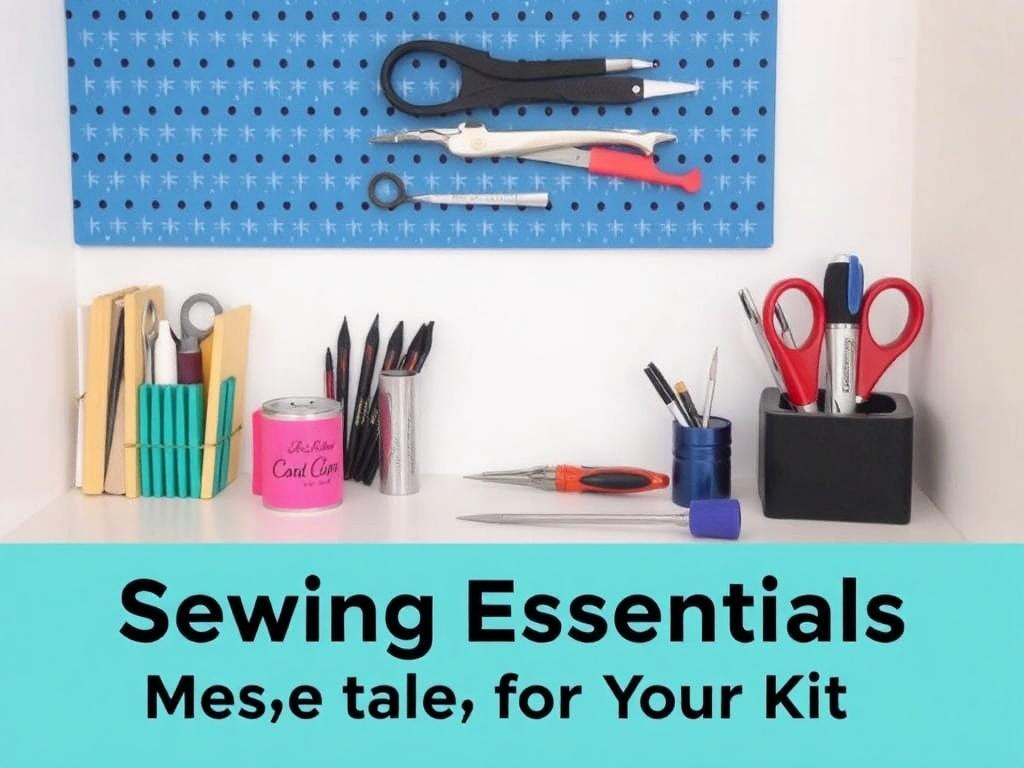
Over years of sewing I’ve refined my own kit to a set of reliable items I reach for first: a pair of high-quality shears, a 45mm rotary cutter, a versatile iron, a walking foot, and several presser feet for different tasks.
I also maintain a small travel tin with neutral thread, needles, and a seam ripper. These items have pulled me out of tight spots and kept projects moving forward without drama.
As your sewing evolves, so will your kit. The goal is not to collect tools but to assemble a practical, durable set that supports your making. When every item has a purpose and a place, sewing becomes smoother, more enjoyable, and far more creative.
Start small, choose well, and let each project teach you which tools deserve a permanent spot in your box. You’ll find that a thoughtfully built kit does more than help you sew—it invites you to make more, risk more, and finish with pride.