
There’s a particular satisfaction in making something useful and beautiful from what others have labeled waste. This article explores practical, imaginative ways to bring recycled materials into your creative practice and reduce environmental impact at the same time. Expect hands-on guidance, real-world examples, and a few workshop-tested tricks I’ve learned while upcycling everything from cardboard to vintage fabric scraps.
Why choose recycled materials for crafting
Working with reclaimed and recycled materials changes the purpose of objects and shifts how we think about consumption. Instead of buying new supplies for a single project, you can draw on the resources already around you—old shirts, packaging, glass jars—and turn them into durable, personal items. This approach reduces demand for new raw materials, saves energy involved in manufacturing, and often keeps things out of landfills.
Beyond environmental benefits, using recycled materials invites creativity through constraint. Limited palettes and irregular shapes force inventive problem-solving and often produce designs that feel more authentic than mass-produced goods. In my own work, projects made from rescued materials become conversation pieces because of their origins and the visible traces of previous life.
There are economic advantages too. Recycled supplies can dramatically lower project costs, making crafting more accessible. When you learn to see value in what others discard, you build a sustainable habit that’s as practical as it is expressive. That blend of thrift and artistry is at the heart of sustainable crafting.
Understanding different types of recycled materials
Recycled materials for crafts come in predictable categories: textiles, paper and cardboard, glass, metal, plastics, and wood. Each category has its own characteristics—strength, flexibility, texture—and its own challenges, such as cleaning or prepping before use. Knowing the qualities of each group helps you choose the right material for the right project.
Textiles include old clothing, upholstery remnants, and household linens. They’re soft, easy to cut and sew, and lend themselves to wearable projects, soft furnishings, and mixed-media art. Paper and cardboard are versatile for prototypes, sculptures, and molded objects when combined with adhesives or gesso. Glass is heavier and more permanent; repurposed jars, bottle bottoms, and tiles make excellent containers, mosaics, or lamps when handled safely.
Metal bits—cans, hardware, washers—can be used structurally or decoratively and often require tools for cutting or shaping. Plastics vary widely: thin plastic films can be laminated into durable fabrics while more rigid plastics might be cut and bonded. Reclaimed wood, from pallets to old furniture, offers warmth and structural integrity; it’s ideal for furniture, shelving, and decorative panels. Assess your project’s needs first, then match the material’s properties to those needs.
Where to find quality recycled supplies
Locating good recycled materials takes a mix of habit and creativity. My most reliable sources include neighborhood recycling centers, secondhand stores, and repair shops that discard workable scraps. Garage sales and community swap events are great for finding small batches of fabric or interesting hardware at low cost.
Digital marketplaces and neighborhood groups also yield a steady stream of usable materials. People often give away partial rolls of fabric, boxes of broken ceramics, or leftover paint—items that would otherwise go to waste. Local schools, theaters, and art departments sometimes donate set materials or textile remnants from productions, which can be gold mines for crafters.
Create a friendly relationship with local businesses. Cafés, bakeries, or grocery stores may give you glass jars or cardboard, while construction firms sometimes have reclaimed wood or metal offcuts. When approaching businesses, be polite and specific about what you can use and how often you’ll collect; many owners appreciate someone saving usable materials from disposal.
Preparing and cleaning recycled materials
Preparation is a crucial but often overlooked step. Dirt, adhesive residues, or embedded hardware can interfere with glue, paint, or sewing. For textiles, pre-washing removes stains, odors, and sizing; for paper and cardboard, flattening and pressing help create workable surfaces. Glass should be thoroughly cleaned and, when necessary, sanded at cut edges to prevent injury.
Metal and wood sometimes require rust or paint removal. A wire brush or fine sandpaper will tidy metal surfaces, while sanding and sealing wood stabilize old pieces for furniture or decor. Be mindful of finishes that might contain lead, especially on antiques—removing or encapsulating hazardous finishes should be done with appropriate safety precautions.
When working with plastics, identify the type where possible. Some plastics react poorly to heat or adhesives. Test a small piece before committing an entire project. Label and store cleaned materials in an organized space; a simple plastic bin system helps you spot what you have and prevents unnecessary new purchases.
Tools and a safe workspace
Your toolset doesn’t need to be extravagant, but a few quality items make a big difference. Basic essentials include a sturdy pair of scissors, a utility knife with fresh blades, an assortment of brushes, measuring tools, and a glue gun. For textile work, a reliable sewing machine and a sharp rotary cutter will speed projects and improve finish.
I recommend investing in a small set of hand tools: pliers, a hammer, a small saw, and clamps. These allow you to work with metal and wood scraps safely and precisely. For glass work, nippers, a diamond file, and protective gloves are non-negotiable. When cutting or sanding any material, use appropriate respirators or masks and ensure the space is well-ventilated.
Designate a work surface that can tolerate spills, heat, and rough handling. Protect it with a self-healing cutting mat or old plywood. Keep first-aid supplies nearby and follow tool manufacturers’ safety instructions. A tidy workspace not only protects you but speeds up your process and reduces waste from mistakes.
Techniques for working with common recycled materials
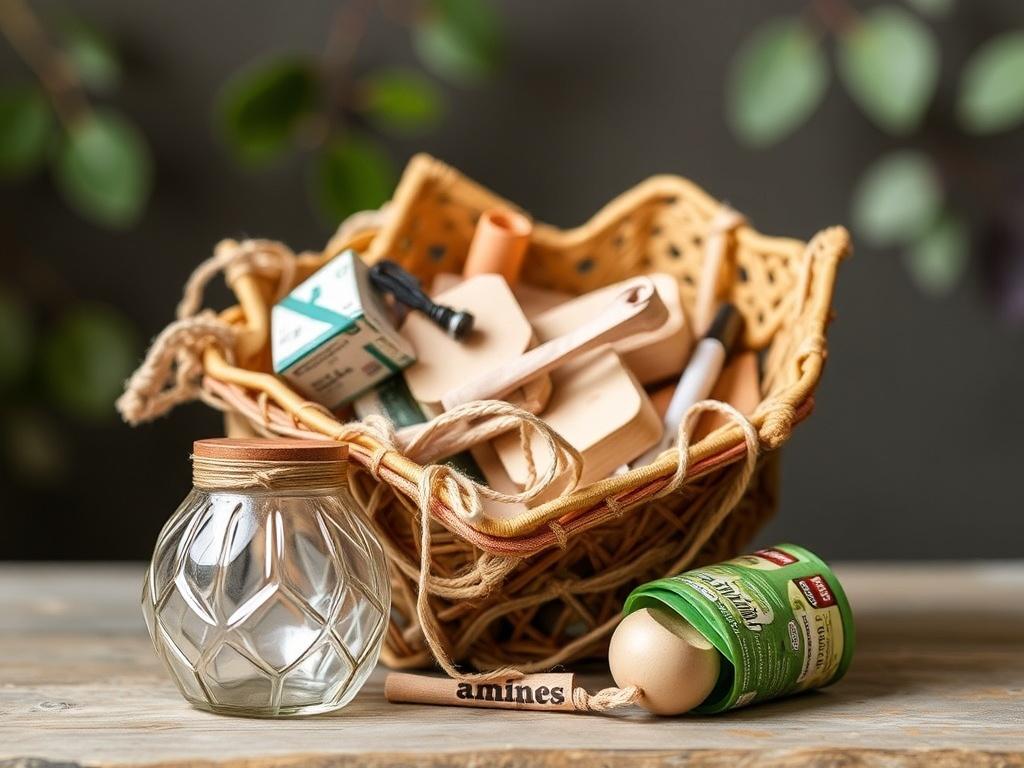
Sewing and patchwork are natural fits for reclaimed textiles. Simple techniques like French seams, bias binding, and sashiko mending make garments and homewares more durable. For heavier fabric, stabilize edges with interfacing or underlay to prevent fraying and to keep shapes crisp. Combining fabrics with different weights can create interesting textures but requires careful pinning and slow stitching.
Paper and cardboard respond well to layering, scoring, and wet-molding. Paper-mâché and pulp-casting give sculptural possibilities when mixed with strong adhesives. Cardboard can be laminated for structural furniture prototypes; when bonded with wood glue and reinforced, it becomes surprisingly sturdy. Sealing paper projects with shellac or acrylic medium protects them from moisture.
Glass projects often revolve around cutting, etching, and fusing. Bottle cutting kits let you turn containers into drinking glasses, vases, or planters. Mosaic work uses small glass and ceramic pieces adhered to a substrate and grouted for outdoor or indoor use. Proper edge smoothing and sealants are essential to prevent injuries and improve longevity.
Designing with limitations: turning quirks into advantages
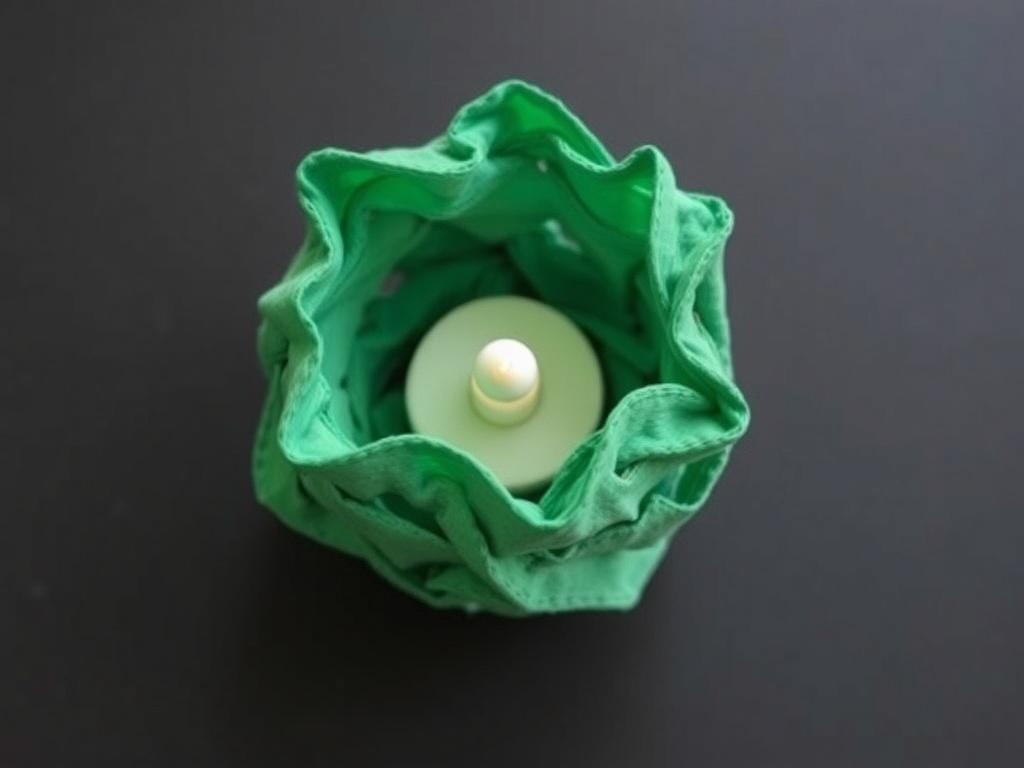
Recycled materials rarely arrive as perfect substitutes for store-bought supplies—and that’s a creative opportunity. A frayed edge, uneven dye, or asymmetrical shape can suggest a design direction. Think of these quirks as a starting point rather than a problem to solve. In my practice, accidental stains on fabric inspired a whole collection of distressed-style cushion covers that became customer favorites.
Start projects by cataloging the defining traits of your materials: color variations, structural weaknesses, or original markings. Sketch designs that incorporate those elements instead of masking them. For example, a patched denim bag that keeps visible wear marks feels intentional and tells a story about resourcefulness and reuse.
Play with contrast: pair smooth, high-gloss recycled glass with raw, matte wood to create visual balance. Use repetition—multiple bottle caps in a pattern or repeated fabric scraps—to create rhythm and cohesion across a piece. These design strategies turn disparate reclaimed pieces into cohesive, pleasing objects.
Project ideas for every skill level
Start small if you’re new to repurposing. Simple projects like jar vases wrapped with fabric, patchwork napkins, or cord-wrapped glass bottles require basic tools and allow you to practice finishing techniques. These projects make lovely gifts and help you build confidence with recycled materials without much risk.
Intermediate crafters can attempt furniture made from pallet wood, mosaic trays from broken tiles, or quilted tote bags from shirts. These involve more precise measuring and stronger joinery but remain approachable. I once converted an old wooden ladder into a hanging bookshelf with minimal tools and a few hours of sanding and staining—an inexpensive solution with character.
Advanced projects include fused glass lighting, upcycled appliance parts turned into sculptural pieces, or tailored garments from vintage fabrics. These require specialized tools and safety considerations but yield striking results. Whatever level you choose, aim for one project that stretches your skills each season; incremental challenges are the best way to grow.
Step-by-step: making a patchwork tote from old shirts
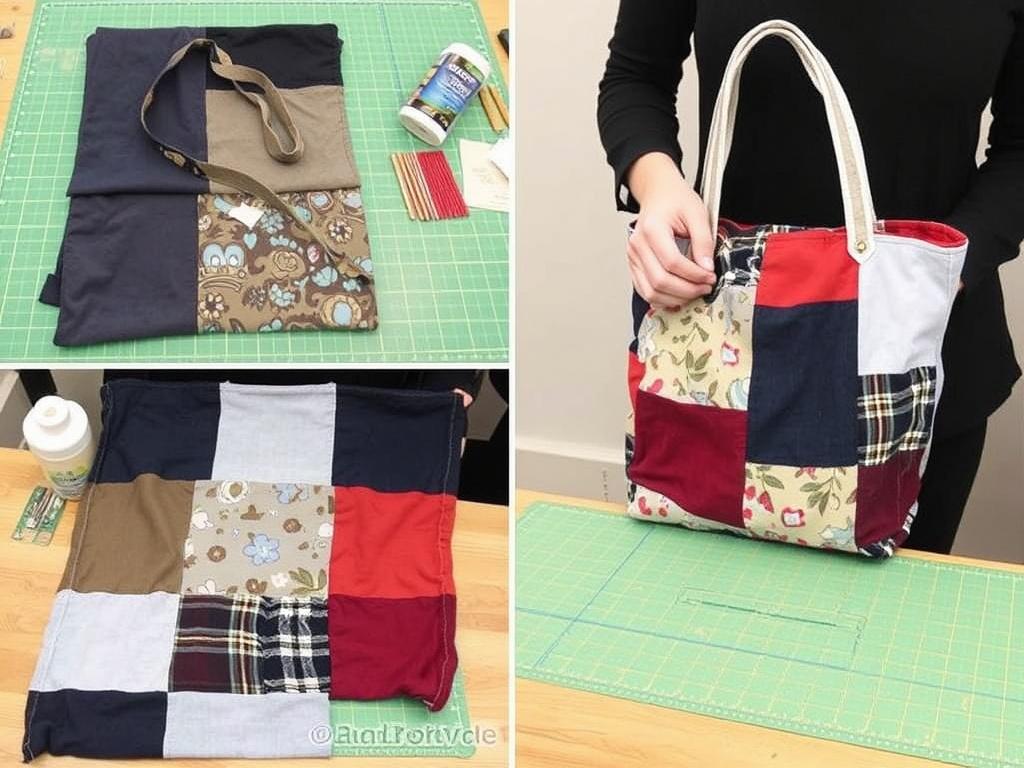
A patchwork tote is a reliable first major project that uses up small textile remnants and introduces structural sewing techniques. You’ll learn reinforcement, lining, and how to make handles from existing fabric. This version fits a standard grocery run and measures approximately 15 by 14 inches when finished.
- Collect at least six shirts in coordinating colors or patterns, and launder them. Cut panels roughly 10 by 14 inches to assemble the outer shell.
- Arrange the panels in a pleasing composition and sew them together to form a single front panel. Repeat for the back.
- Cut interfacing to the size of the panels, fuse it to stabilize the bag, and sew the front and back panels together at the sides and bottom, leaving the top open.
- Create a lined interior using a single solid fabric and attach it by sewing the lining to the bag at the top edge, turning, and topstitching for a finished rim.
- Make handles from folded and reinforced strips of fabric, attach them securely with backstitches or a box stitch, and finish by trimming loose threads and pressing seams flat.
Throughout this project, press seams often and trim raw edges to prevent bulk in the finished bag. Reinforcing stress points with bartacks or small squares of fusible web extends the life of the tote. The result is a functional, story-rich accessory you can build variations on endlessly.
Step-by-step: turning glass jars into pendant lights
Repurposed jar pendant lights add warmth and charm to kitchens and dining areas, and they carry a small environmental footprint when you reuse containers instead of buying new fixtures. This project requires basic electrical components and attention to safety, but it’s manageable with care.
- Select clean jars with a consistent opening size. Drill a hole near the jar’s lid or create a recessed cap solution so the cord exits cleanly.
- Use a pendant light kit compatible with the bulb size you prefer; LED bulbs are recommended for low heat and long life. Thread the cord through the lid or a rubber grommet, and secure the socket according to the kit’s instructions.
- Fit the socket and bulb, seal any sharp edges with silicone, and hang the fixture from a ceiling hook or a suspended track. Test the fixture on a circuit with a known working switch before final installation.
- Finish by embellishing jars if desired—frosting spray, stenciled designs, or interior paint can soften the light or add color. Ensure any coatings are heat-tolerant and won’t release fumes when the light is on.
When handling glass and electrical components, unplug power sources during assembly and double-check connections. If you’re unsure about wiring, consult a licensed electrician to complete the final installation safely.
Finishing, sealing, and ensuring longevity
Durable finishes transform fragile reclaimed pieces into long-lasting objects. For textiles, use seam-sealing techniques, strong threads, and reinforced hems. Apply fabric paints or protective sprays designed for textiles to resist staining and fading. For items exposed to wear, double-stitch critical seams and consider binding edges with bias tape to prevent fraying.
Wood projects benefit from sanding, filling, and sealing. Shellacs, oils, or polyurethane provide different aesthetic and protective qualities—oils emphasize natural grain while polyurethanes give a tougher, more water-resistant surface. Match finish to the item’s use: a daily table needs tougher protection than a decorative wall panel.
For mixed-media pieces, choose compatible adhesives and sealants. Epoxy can bond dissimilar materials effectively, while PVA glue excels with paper and wood. Test the adhesion on a small sample to ensure long-term stability. Proper finishes not only protect the object but also communicate care and quality to future owners.
Eco-conscious adhesives, paints, and coatings
Not all glues and coatings are created equal when it comes to sustainability. Water-based adhesives and paints typically have lower volatile organic compound (VOC) levels and are safer for indoor use. Look for products that advertise low-VOC, solvent-free, or eco-certified labels, and read safety data sheets when in doubt.
For natural options, consider hide glue for wood restoration or plant-based adhesives for light paper work. Beeswax and plant oils can be useful as finishes on wood. Reclaimed-object artists sometimes use milk paint or casein-based paints for a historical, low-toxicity finish that chips attractively over time.
Balance sustainability with performance. Some projects require industrial-grade epoxies to remain functional and safe. When you must use a stronger chemical, minimize volume, apply in a ventilated space, and dispose of leftovers according to local hazardous-waste guidelines. Responsible use preserves both the piece and the environment.
Upcycling versus recycling: language and impact
The terms “upcycling” and “recycling” get used interchangeably, but they describe different processes. Recycling typically means breaking down materials chemically or physically to create a new raw material—paper pulped to make new paper, for example. Upcycling retains the original object’s structure and raises its value through creative reuse.
Both approaches reduce waste, but upcycling tends to require less energy because it avoids industrial processing. It also produces one-of-a-kind objects that often have greater perceived value. When you craft from reclaimed pieces, you’re participating in a cultural shift toward valuing longevity and repair over disposability.
Understanding these distinctions helps you communicate your work’s environmental benefit more accurately, whether you’re teaching a workshop or selling items. Honest descriptions build trust and show that sustainability isn’t just a marketing buzzword—it’s an intentional practice.
Pricing and selling recycled crafts
Pricing reclaimed-material products can be tricky because raw material cost is often low or zero. The value comes from design, labor, skill, and story. When setting prices, account for hours spent sourcing, cleaning, and finishing, plus overhead for tools and workspace. A clear breakdown helps you avoid underpricing and ensures sustainability for your practice.
When selling, emphasize provenance and care: customers value objects that have a transparent origin story and evidence of durable construction. Presentation matters—clean, thoughtful packaging and a brief card describing the materials and process increase perceived value. Marketplaces focused on handmade goods and local craft fairs often attract buyers willing to pay for ethical, artisanal items.
Consider offering repair or refurbishment services as part of your business model. A simple mending or reconditioning package extends product life and strengthens customer relationships. This kind of aftercare aligns with the ethos of sustainability and can become a unique selling point.
Community building and teaching recycled crafting
Teaching others to craft with recycled materials multiplies the environmental benefits and spreads practical skills. Host small workshops in community centers, schools, or maker spaces where participants can bring their own materials. These sessions work well when structured around a single, achievable project that demonstrates broad techniques.
Community swap events and material libraries are practical ways to share resources. A material library functions like a tool library but with piles of fabric, jars, and reclaimed wood—members borrow instead of buying. I helped start a materials exchange group that reduced waste from local design students and provided affordable supplies for neighborhood crafters; the energy it produced was contagious.
Collaborations with local nonprofits can expand impact. Partner with organizations that support upcycling initiatives or provide job training using recycled materials. These partnerships can create meaningful work pathways while diverting waste from landfills and promoting creative entrepreneurship.
Measuring environmental impact and making better choices
It’s important to be realistic about environmental claims. Not every recycled-material project is net-positive when you factor in transportation, specialized finishes, or short product life. To improve impact, prioritize local sourcing, durable construction, and low-toxicity materials. Small decisions—choosing natural finishes or avoiding energy-intensive processes—add up over time.
Simple metrics can guide choices: track how many pounds of material you divert, calculate hours invested per item, and estimate the extended lifecycle compared to a new, mass-produced counterpart. These numbers help you refine processes and communicate your work’s benefits clearly to buyers or supporters.
Transparency matters. If you sell or teach, explain which materials are recycled, how they were sourced, and any trade-offs involved. Clear, honest communication builds credibility and encourages buyers to make decisions aligned with their values.
Case studies: projects that made a difference
One local maker converted broken ceramic tiles and discarded mirrors into mosaic benches for a community garden. The project used hundreds of pounds of material diverted from municipal waste and produced seating that doubled as public art. The benches required simple planning, a sturdy substrate, and a volunteer day for grouting—an effective model for community-driven reuse.
Another example comes from a small business that stitched garments from fabric remnants left over by textile manufacturers. By consolidating offcuts and designing collections around color and texture sets, they created a profitable niche that reduced factory waste. Their transparent sourcing and limited-release drops helped them attract ethically minded customers.
On a personal note, I refurbished an old chest of drawers with mixed recycled veneers and reclaimed hardware. The piece became a centerpiece in my home and taught me about balancing restoration with respect for original character. Friends asked about the process, and several ended up commissioning similar work—proof that well-crafted reuse can inspire others.
Safety and legal considerations
Some reclaimed materials carry hidden hazards: lead paint on old furniture, mold in fabric stored improperly, or structural weakness in salvaged wood. Treat unknown finishes and materials with caution. Test for hazardous substances when appropriate and consult professionals for items that will bear weight or handle food.
When gathering materials from streets or private property, respect local regulations and private ownership. Ask permission before taking items from businesses or residential properties. For online exchanges, clarify whether items are sold or free and whether you are responsible for pickup or shipping costs.
Liability is another concern if you sell finished goods. Ensure your products meet basic safety expectations—secure fastenings, non-toxic finishes for children’s items, and clear usage instructions. Consider modest insurance coverage if you run an active business to protect against accidents or claims.
Maintaining a sustainable crafting practice over time
Building sustainability into your craft means turning techniques into habits. Keep a consistent system for sorting and storing reclaimed materials, and set small goals such as using five pounds of salvaged material each month. These habits reduce impulse buying and make efficient use of what you already have.
Regularly audit your supplies and tools to avoid hoarding. Donate or trade items you aren’t using to keep the circulation going. I schedule a quarterly materials swap with local makers; it prevents waste buildup and refreshes my palette of supplies without purchasing new stock.
Refresh your skills periodically. Techniques change, and new eco-friendly products arrive on the market. Attend a class now and then or follow trusted artisans online to learn new finishing methods or sourcing strategies. Growth keeps the practice sustainable in practice, not just in intention.
Resources, organizations, and further reading
Many organizations support sustainable crafting and offer resources for makers. Local maker spaces often provide workshops and access to tools, while nonprofits focused on waste reduction can connect crafters with materials and collaboration opportunities. Online communities and forums are also rich sources of project inspiration and troubleshooting advice.
Look for materials libraries, tool libraries, and community workshops listed through municipal websites or local arts councils. Books and blogs devoted to upcycling and repair offer step-by-step guidance and case studies. When selecting resources, prioritize those that emphasize safety and environmental transparency rather than quick-fix hacks.
Joining local or online groups also brings accountability and encouragement. Share your missteps as well as successes; other crafters often learn more from failures. Practical, honest dialogue helps the whole community refine techniques and elevate the impact of recycled-material projects.
Quick reference: materials, best uses, and tips
| Material | Best uses | Practical tips |
|---|---|---|
| Textiles (shirts, linens) | Bags, quilts, cushions | Pre-wash, press seams, reinforce stress points |
| Paper/cardboard | Prototypes, paper-mâché, molded forms | Flatten, press, seal with low-VOC coatings |
| Glass jars/bottles | Lamps, vases, mosaics | Clean thoroughly, file edges, use LED bulbs |
| Wood (pallets, furniture) | Furniture, shelving, frames | Inspect for pests, sand, seal with appropriate finish |
| Metal (cans, hardware) | Decorative accents, structural components | Remove rust, deburr edges, use protective gloves |
Practical tips for scaling up a recycled-material project
If you want to create a series or scale production, standardize certain elements to save time. Cut consistent templates for patchwork units, prewash large batches of fabric at once, and set up jigs for repetitive cutting or drilling tasks. Replication reduces decision fatigue and improves quality control across multiple pieces.
Create a small quality checklist for each product type: stitching standards, finishing steps, and packaging requirements. Train helpers or collaborators to follow these procedures to maintain consistency. Efficient workflows and clear standards make scaling less chaotic and more profitable.
Consider sourcing agreements with local businesses for steady material streams. For example, a bakery might provide jars weekly if you commit to regular pickup. Reliable inputs reduce frantic scavenging and allow you to plan product lines more confidently.
How I integrate recycled materials into a creative routine
In my studio practice, I set aside two mornings each week for material sourcing and prep. One session is for visiting local thrift stores and online marketplaces; the other is for cleaning, sorting, and cataloging collected items. This routine keeps the stream steady and prevents supply from piling up unmanaged.
When starting a new project, I always build a small prototype using scraps before committing to a larger piece. Prototyping lets me test adhesives, finishes, and structural choices without wasting larger reclaimed components. It’s an efficient habit that saves time and improves the final product’s durability.
I also keep a sketchbook specifically for upcycling ideas. Whenever I encounter an interesting item, I sketch possibilities and note compatible materials I have on hand. This practice turns random finds into intentional projects rather than one-off experiments.
Final thoughts and next steps
Sustainable crafting with recycled materials is equal parts ethics and aesthetics. It asks you to consider lifecycle, origin, and durability while inviting fresh design challenges and rewarding creativity. The more you practice, the better you get at spotting potential in the overlooked and at choosing finishes and techniques that extend an object’s life.
Begin with small projects and build habits that support responsible sourcing, safe preparation, and thoughtful finishing. Share your work, collaborate locally, and keep learning—those actions multiply impact far beyond any single object. If you’re ready to start, gather a small set of reclaimed materials this weekend and make one item you intend to use for at least a year; that commitment changes how you design and consume.
Sustainable Crafting: Using Recycled Materials is more than a phrase—it’s a practice you can adopt gradually and meaningfully. Every piece you reclaim becomes a tiny vote for a less wasteful, more creative world.