Most of us have rummaged through a drawer, a shoebox, or a jar and found old coins that feel mysterious and a little exciting. Some of those little discs are worth only pocket change, while others can root around and find prices that make you sit up straight. This guide walks through the practical steps, resources, and judgment calls you need to evaluate free coin value checker with confidence.
Why old coins can be worth more than face value
Coins carry value in multiple forms: the metal they contain, the story they tell, and the condition they survived in. A worn silver dime may be worth more for its silver content than its ten-cent face, while a rare minting error on a seemingly ordinary coin can attract strong collector interest.
Market demand shifts over time, too. A coin that was ordinary fifty years ago might suddenly become sought after if collectors discover a new rarity or if a particular series grows in popularity. That combination of intrinsic metal value, rarity, condition, and demand is what determines what a coin will fetch today.
Essential tools for examining coins
Before you try to determine value, assemble a small kit: a loupe or magnifier, a soft light source, nitrile gloves, a digital scale capable of tenths of a gram, and reference images or catalogs. These tools let you examine surface details, read tiny mint marks, and weigh coins to confirm composition without risking fingerprints or scratches.
A magnifier in the 10x–20x range is ideal for spotting hairlines, mintmarks, and die varieties. A neutral white LED lamp reveals surface luster more consistently than warm household bulbs, which can hide fine details in shadows or color shifts.
Finally, keep a camera or smartphone handy. Photographing coins, including both sides and close-ups of key features, helps you compare with online resources and creates a record before any handling, storage, or sale.
How to identify a coin: date, mint mark, and type
Start with the basics: read the date and locate any mint mark, usually a small letter indicating where the coin was struck. On U.S. coins, mint marks like D (Denver), S (San Francisco), and P (Philadelphia) are common, but the position and presence of a mint mark varies by era and series.
Next, identify the type or series—Mercury dime, Lincoln cent, Morgan dollar, and so on. Series characteristics include portrait style, reverse design, size, and composition. These features guide you to the right reference pages and price guides.
Finally, note any unusual features: doubling, off-center strikes, clipped planchets, or die cracks. These anomalies can transform a coin from ordinary to collectible, so document them with clear photos and notes.
Grading basics: why condition matters
Condition—or grade—often has the largest influence on value for collectible coins. Two identical coins from the same year and mint can sell for drastically different amounts depending on wear, luster, and the presence of scratches or cleaning marks.
Grading ranges from Poor (heavily worn and barely identifiable) to Mint State (uncirculated, with no wear). Professional grading services assign a numeric grade; collectors commonly reference the 1–70 scale developed by coin grading organizations.
While professional grading costs money, an initial self-assessment narrows expectations. Learn common grade descriptors—Good, Fine, Extremely Fine, About Uncirculated, Mint State—and compare your coin to graded examples online to estimate its grade.
Basic grading reference table
| Grade | Short description |
|---|---|
| Good (G) | Major features visible, heavy wear |
| Fine (F) | Moderate wear, details visible |
| Extremely Fine (EF/XF) | Light wear on high points, most details intact |
| About Uncirculated (AU) | Trace wear, original luster mostly present |
| Mint State (MS) | No wear, full original surfaces |
Metal content and intrinsic value
Some older coins derive value from their metal content rather than collector demand. Silver and gold coins often have a melt value tied to spot prices, which fluctuate daily. For example, older U.S. dimes, quarters, and half dollars (pre-1965) contain 90% silver and often have a baseline worth at or above their bullion value.
To estimate intrinsic value, weigh the coin, verify its silver or gold content (many references list metallic composition by year and type), and multiply by the current spot price for that metal. Account for dealer premiums if you’re selling as bullion rather than as a collectible.
Bases metals like copper, nickel, and zinc have lower melt values, but copper cents from certain years can still be valuable to collectors. Knowing the composition helps you avoid missing a coin that is actually worth more for its metal or a coin that’s merely old but not intrinsically valuable.
Rarity, mintage, and survival rates
Rarity has multiple dimensions: mintage numbers (how many were made), survival rate (how many exist today), and the number preserved in collectible condition. A high mintage does not guarantee abundance in high grades—many coins were lost to circulation or melted down, altering their collectibility.
Research mintage figures in reliable catalogs and then look for population reports from grading services that show how many coins have been certified at each grade. These data points help you gauge scarcity among collectors as opposed to raw production numbers.
Keep in mind that localized hoards, historical events, or collecting trends can dramatically affect rarity impressions. A coin considered plentiful in one decade may become scarce as collector interest grows or as fewer high-grade examples remain available.
Using reference resources: books, catalogs, and online databases
Reference works are indispensable. Classic print guides, like A Guide Book of United States Coins (commonly called the Red Book), give mintage data and price ranges for numerous series. Specialized books cover die varieties, errors, and world coins when your collection goes beyond U.S. issues.
Online databases and auction archives offer another layer: realized prices. Sites run by grading services, major auction houses, and specialist forums let you see what coins actually sold for, not just what sellers hope to get. Cross-reference multiple sources for a rounded view.
Remember that published price guides provide estimates based on certain market conditions; they are reference points, not guarantees. Use catalogs to identify and narrow value ranges, then consult auction results and dealer listings to refine expected prices for your specific grade and variety.
Comparing prices: auctions, dealers, and online marketplaces
When you begin comparing prices, separate asking prices from realized prices. Dealers and online sellers often list optimistic asking prices, while auction results show what buyers actually paid. Realized prices are the best indicator of current market value.
Selling platforms differ in audience and fees. Auction houses command serious collectors and may achieve higher prices for rare items, but they charge commissions and require time. Online marketplaces like eBay offer quick access to buyers but include listing fees, seller fees, and variable buyer confidence.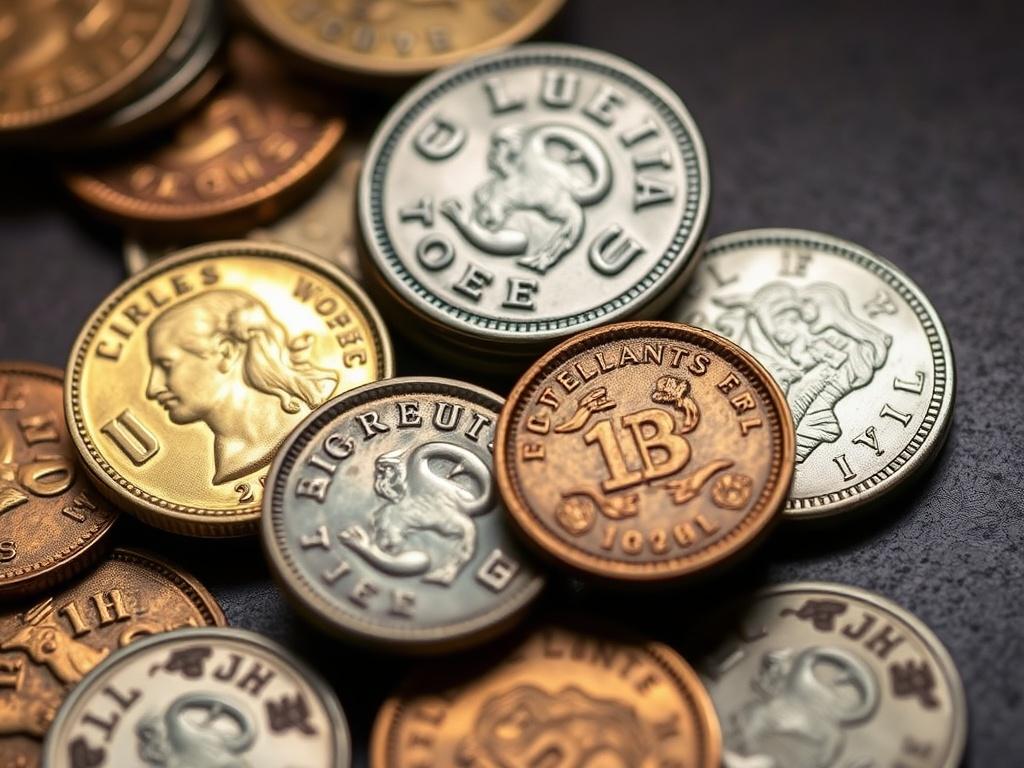
Local coin shops provide immediacy and knowledge, and they may offer a fair price for common or easily-graded coins. For rare, high-value items, getting multiple bids or consigning to a reputable auction house usually yields better returns than a single retail sale.
Step-by-step process for checking the value of old coins
Start by identifying the coin completely: year, mint mark, series, and denomination. Use magnification to confirm the date and mint mark, and consult reference photos to ensure you’ve identified the right variant or subtype.
Assess the coin’s condition by comparing it to graded images. Make careful notes about wear, luster, rim condition, and any signs of cleaning or damage. Photograph both sides and any notable features for later comparison or to share with experts.
Research composition and mintage for the identified type, then consult price guides and recent auction results to estimate a value range. If the coin contains precious metal, calculate melt value separately to establish a floor price.
If the coin appears rare, high-grade, or anomalous, consider getting a professional opinion. Send high-quality photos to a reputable dealer or post on specialized forums for preliminary feedback; for high-value pieces, submit the coin to a recognized grading service for formal certification.
Decide whether to sell as raw (uncertified) or submit for grading. Grading can increase buyer confidence and final sale price for expensive coins, but it involves fees, turnaround time, and the risk that the assigned grade won’t match your expectation. Balance those factors against your selling goals.
When to get your coins certified
Certification is most worthwhile when a coin is rare, in high grade, or likely to attract buyers who demand third-party grading. Slabbed coins (encapsulated and graded) are easier to sell to collectors and typically command higher, more consistent prices in the marketplace.
For lower-value common coins, certification fees can exceed the difference in market value that slab grading would provide. In those cases, selling as raw coins through local buyers or bulk purchasers can be a more sensible route.
Certification also protects both buyers and sellers against disputes about authenticity and grade. If you plan to insure, consign to a major auction house, or trade with distant collectors, third-party grading gives official documentation that backs the coin’s attributes.
Common scams and pitfalls to avoid
Beware of “too good to be true” offers and high-pressure buyers who insist you sell quickly without research. Scams include fake grading certificates, misrepresented metal content, and buyers who pay by check and then cancel the payment after receiving coins.
Never accept ambiguous payment methods for high-value sales, and verify clearing of funds before shipping. When selling online, use trackable shipping with insurance and require signature confirmation for valuable items to protect against loss or fraudulent claims.
Avoid cleaning coins in an attempt to boost their appearance. Scrubbing, chemical dips, or even improper handling can significantly reduce collector value. When in doubt, leave the surface alone and consult an expert before attempting restoration.
Preserving value: storage and cleaning
Proper storage preserves value and prevents corrosion. Use inert coin holders, archival-quality flips, or hard plastic slabs for coins you want to protect. Avoid PVC-containing plastics, which can leach and cause irreversible toning or stickiness over time.
Control environmental conditions: stable, moderate temperature and low humidity reduce risk of tarnish and corrosion. Silica gel packets in storage boxes help manage humidity, and keeping coins out of direct sunlight preserves original toning and surfaces.
Cleaning is rarely appropriate and is one of the fastest ways to destroy value. Even mild attempts at polishing can remove patina or create abrasions that are obvious to experienced collectors. If a coin is dirty and its cleanliness affects identification, seek professional advice rather than attempting aggressive cleaning yourself.
Selling strategies: pick the right channel
Match the sale channel to the coin’s profile. Common circulated coins sell efficiently to local dealers or through bulk-lot buyers. High-end or rare coins perform better at specialist auctions or through dealers with collector networks who can reach the right audience.
For online auctions and marketplaces, present excellent photos, detailed descriptions, and transparent grading opinions. Provide close-ups of the date, mint mark, and any damage, and note whether a coin has been cleaned, repaired, or altered in any way.
If you’re undecided, get multiple offers. A local dealer, an online specialist, and an auction house can each give you perspective. Comparing offers and factoring in fees and time to sale helps determine the net result that matters most to you.
Working with dealers and appraisers
Choose dealers who are members of recognized associations or who have verifiable track records through reviews and professional referrals. A trustworthy dealer provides transparent pricing, explains the basis for offers, and can show comparable sales to justify valuations.
Appraisals can be useful when insuring or estate planning, but remember that an appraised value is not the same as a guaranteed sale price. Appraisals typically reflect fair market value under normal selling conditions at the time the appraisal is written.
Ask for credentials and references before committing to a large sale or appraisal. Experienced dealers and independent appraisers will be happy to explain methodology and provide documentation of recent sales that support their valuation.
Online tools and communities that help
Online communities and specialist forums are valuable for identification help and informal opinions. Upload sharp photos and clear descriptions for feedback, but treat crowd-sourced valuations as preliminary and verify with authoritative resources before making sales decisions.
Price guides from grading services offer searchable databases with historical price trends that can help you see how values have moved over time. Auction house archives reveal realized prices and can be filtered by grade and provenance to find close comparables.
Apps and mobile tools can assist with quick checks, barcode scanning for modern coins, and links to up-to-date metal prices. Use these tools to triangulate value, not as sole arbiters; technology speeds research, but experienced eyeballs still matter for condition and authenticity checks.
International and world coins: special considerations
World coins introduce language, minting systems, and varying historical contexts that complicate quick identification. Use catalogs that specialize in the region or country and seek out collectors’ groups focused on that area for nuanced insights into rarities and demand.
Exchange rates and local market appetite affect whether a foreign coin will sell for a premium in your country. Some coins are highly prized regionally but have limited appeal elsewhere; research where collectors congregate before deciding on a sales channel.
Be mindful of import and export rules for precious metal coins. Certain countries impose restrictions on the movement of national numismatic treasures, and in the case of high-value sales you may need to deal with customs or specialist shipping arrangements.
Understanding varieties and errors
Not all valuable coins are rare by date; many derive value from die varieties, minting errors, or transitional types. Doubling, repunched mintmarks, off-center strikes, and die cracks can create collector interest when they are documented and verified.
Identifying these requires careful comparison with die variety catalogs and often the input of specialists. Some varieties are exhaustively cataloged, while others are obscure and only discovered through specialized study or certification.
When you suspect an error or interesting variety, document everything and consider submitting detailed photos to a variety specialist or the grading services that track such issues. Proper attribution can significantly increase interest and final sale price.
Insurance and estate planning
High-value coins should be insured and recorded as part of an estate plan. Obtain current appraisals and photograph each item so that insurance claims and inheritance matters can be resolved efficiently and fairly.
Store documentation—receipts, grading certificates, appraisals, and photographs—in a secure place separate from the coins themselves. Consider secure storage options like bank safe deposit boxes or insured, secure storage facilities for collections with significant value.
When transferring coins to heirs, provide clear instructions about grading services, reputable dealers, and any collectors’ groups connected to the collection. That guidance helps preserve both value and provenance through generational changes.
Real-life examples and author experience
I once found a handful of old coins at a garage sale that seemed ordinary until I took them home and examined them with a loupe and a price guide. One coin, immediately recognizable as a widely collected variety once photographed and researched, turned out to be worth several times what I paid for the lot.
That experience taught me to slow down and document everything. Had I cleaned the pieces or rushed them to the nearest buyer, I might have reduced their value or missed the chance to connect with the right collector. Good documentation and patience made a meaningful difference.
On another occasion I sold a small group via an online auction after getting informal estimates from a local dealer and an auction house. The auction result beat the dealer offer, but fees and time-to-sale narrowed the difference—illustrating the trade-offs between convenience and eventual price.
Practical checklist to take to a dealer or appraiser
Bring clear, labeled photos and your own notes on dates, mint marks, and any distinguishing features. Present coins in protective holders if possible, and avoid handling them more than necessary to maintain surfaces for inspection.
Include provenance information if you have it—where the coins came from, any previous purchases, and relevant documentation. Dealers and appraisers value provenance, especially for rare items, because it supports authenticity and can influence buyer confidence.
Ask the dealer to explain how they reached an offer and whether that is a wholesale, retail, or consignment price. Understanding the basis for an offer helps you decide whether to accept it or pursue alternative sales channels.
Common questions answered briefly
How quickly should I act on a potential find? Take time to document, research, and consult multiple sources. Rushing risks mistakes; a measured approach often yields better outcomes.
Is professional grading always necessary? No—grading is most useful for rare or high-value coins. For common, low-value pieces, professional grading can cost more than any added sale value.
Can I trust online price guides? They are useful starting points but should be combined with auction results and professional opinions. Treat published guides as one input rather than the final word.
Next steps to build your confidence
Practice with lower-value coins to develop identification and grading skills before you tackle more expensive pieces. Familiarity with series characteristics, mintmarks, and subtle signs of wear builds a reliable eye over time.
Join a local coin club or online forum to see examples of graded coins and to ask seasoned collectors for feedback. Interaction with community members accelerates learning and helps you avoid beginner mistakes.
Keep a simple inventory of your coins with photos and notes. Over time, you’ll notice trends in the market and develop a personal sense of what to hold, what to sell, and when to seek professional certification.
If you’ve found coins that pique your curiosity, take the methodical steps described here: identify, document, research, and consult. That approach converts surprise into knowledge and gives you the best chance of turning a forgotten piece of metal into a satisfying financial and historical discovery.