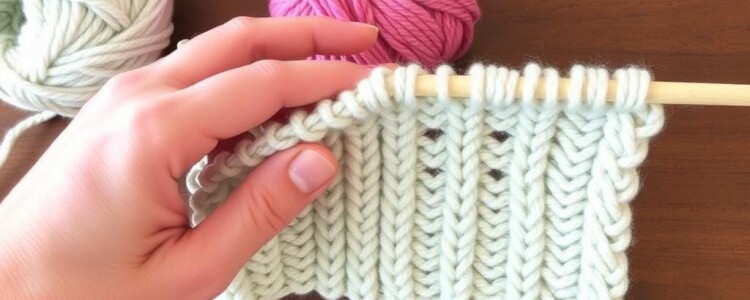
Blocking is the quiet finishing touch that turns a pile of handmade stitches into a garment that reads as intentional, neat, and wearable. Whether you’ve just finished a lacy shawl or a dense garter-stitch hat, the way you wash, shape, and dry your piece can change everything about its fit, drape, and appearance.
In this article I’ll walk through what blocking is, why it matters, and how to choose and carry out the right method for your yarn and project. Expect practical, hands-on tips, a few troubleshooting notes, and the exact steps I use when I’m preparing a new knit for photos or to wear.
What blocking actually does to your knitting
At its core, blocking rearranges the fibers and stitches so the fabric relaxes into a stable, intended shape. Wetting or steaming the yarn allows the fibers to settle and the stitches to even out, reducing puckers and irregular tension that crept in during knitting.
Beyond aesthetics, blocking can also correct size and gauge slightly. It opens up lacework, flattens edges, evens long rows of stockinette, and can coax a piece into measurements closer to the pattern’s specs.
Think of it like pressing a piece of clothing after sewing. You wouldn’t skip it for a blouse, and your knitwear benefits the same way—crisper lines, defined stitch patterns, and a finished appearance that looks deliberate rather than homemade.
Why blocking matters: fit, drape, and stitch definition
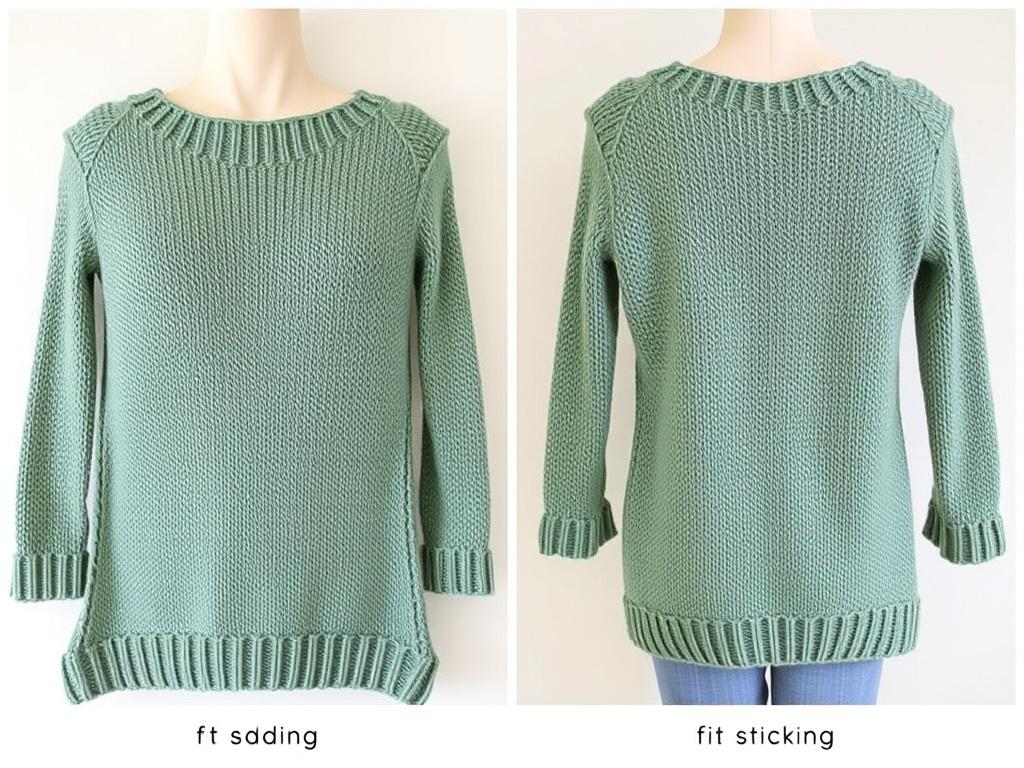
First, fit. If you want a sweater to hit the right point at the waist or the armholes to match up during sewing, blocking helps you reach those measurements. It won’t add several inches, but it can ease a garment into the correct size, especially after wet blocking.
Second, drape. Fibers respond differently to water and heat: wool often blooms and softens, silk gains sheen and fluidity, and cotton relaxes and becomes flatter. Blocking is your control over how the finished fabric hangs on the body.
Third, stitch definition. Cable twists pop, lace motifs open into the full pattern, and seed or moss stitches even out. A motif that looked muddled on the needles can become a crisp, readable design after a careful block.
When to block: timing and frequency
Block your piece after finishing any long sections, before seaming, and before adding edgings when possible. Blocking panels before seaming ensures that pieces match and lay flat when stitched together.
A hat or cowl can be blocked after assembly; scarves and shawls are often blocked once finished. For garments, block before final seaming and again lightly after seams are joined if adjustments are needed.
You don’t need to block individual swatches every time, but I recommend blocking a gauge swatch made the same way as your project yarn and needle sizes. That gives you a realistic read on how your yarn will behave when the full piece is blocked.
Which blocking method to use: wet, steam, and spray
There are three main approaches: wet blocking (fully immersing the piece), steam blocking (using steam but not soaking), and spray blocking (spritzing and shaping). Each has advantages depending on fiber content and structure.
Wet blocking is the most thorough and commonly used method for natural fibers like wool and cotton because it allows fibers to relax completely. Steam blocking is useful for delicate fibers or pieces where you want to avoid a full soak. Spray blocking sits between the two and is handy for quick adjustments.
Choosing the right method is often about the fiber and the intended result. A heavy wool sweater may tolerate—or even thrive—under a hot soak and stretch to measurement, while a silk scarf could lose its sheen under too much heat and prefers careful steaming or misting.
Fiber behavior and blocking: how different yarns respond
Wool is the most forgiving fiber for blocking. It blooms, softens, and holds the new shape well after drying. This is why many lace knitters rely on wet blocking to open motifs and set the stitches.
Plant fibers like cotton and linen relax and often become flatter and firmer after blocking. They don’t bloom the way wool does, so you may need to be more precise with shaping and expect less dramatic change in stitch definition.
Synthetic fibers such as acrylic and nylon are heat-sensitive. Many acrylics will soften under heat and then rebound to their pre-blocked shape, so steam blocking or low-heat misting is safer. Always check yarn labels for care instructions and perform a small test first.
Tools of the trade: what you need and why
Basic tools include a flat surface (blocking mats or a clean towel on a table), rust-proof pins or blocking wires, a spray bottle for misting, and a basin for soaking. For steam blocking, an iron or steamer is essential.
Blocking mats come in interlocking foam tiles that accept T-pins well and protect surfaces. Blocking wires are a favorite for straight edges—feed them through stitches and pin the ends to hold a uniform straight line.
Don’t overlook microfiber towels for draining excess water after a soak; they speed dry time and reduce stretching by letting you control moisture before shaping.
Quick tool list
Here’s a short checklist of helpful equipment to get started: rust-proof T-pins, flexible blocking wires, interlocking foam mats, a basin or sink, microfiber towels, a handheld steamer or iron, and a spray bottle.
How I plan a block: preparation and setup
Preparation starts with reading the yarn label and pattern notes about blocking. If the pattern specifies final measurements post-block, follow those numbers when shaping. If the yarn label advises against heat or soaking, pick the gentlest method.
Next, pick a clean, cat- and dust-free surface. Lay down blocking mats or a towel and keep pins handy. If your space doubles as a dining table, cover it and clear it well to avoid snagging or contamination.
For large pieces, measure and mark anchor points with small scraps of yarn or masking tape on the mats. These points help you line up edges and achieve correct measurements as the piece dries.
Step-by-step wet blocking (a reliable baseline method)
Wet blocking is the most straightforward and widely useful approach for many knitters. Below I provide an ordered, practical set of steps I use for a medium-sized sweater or shawl.
- Fill a basin with lukewarm water and add a small amount of mild wool wash. Gently submerge the knit until it’s fully soaked, letting it sit for 15–20 minutes.
- Lift the piece carefully, supporting it to avoid stretching. Place it on a folded microfiber towel and roll the towel to squeeze out excess water without wringing.
- Lay the piece flat on blocking mats or towels and shape to measurements, smoothing stitches and opening lace with gentle stretching where needed.
- Pin edges or use blocking wires to hold the shape. Re-measure and adjust until satisfied, then leave to dry completely—this may take 24–48 hours depending on thickness.
These steps provide a balance of control and simplicity. The key is patience: do not remove pins until the fabric is bone-dry to ensure the shape sets properly.
Steam blocking: when heat replaces water
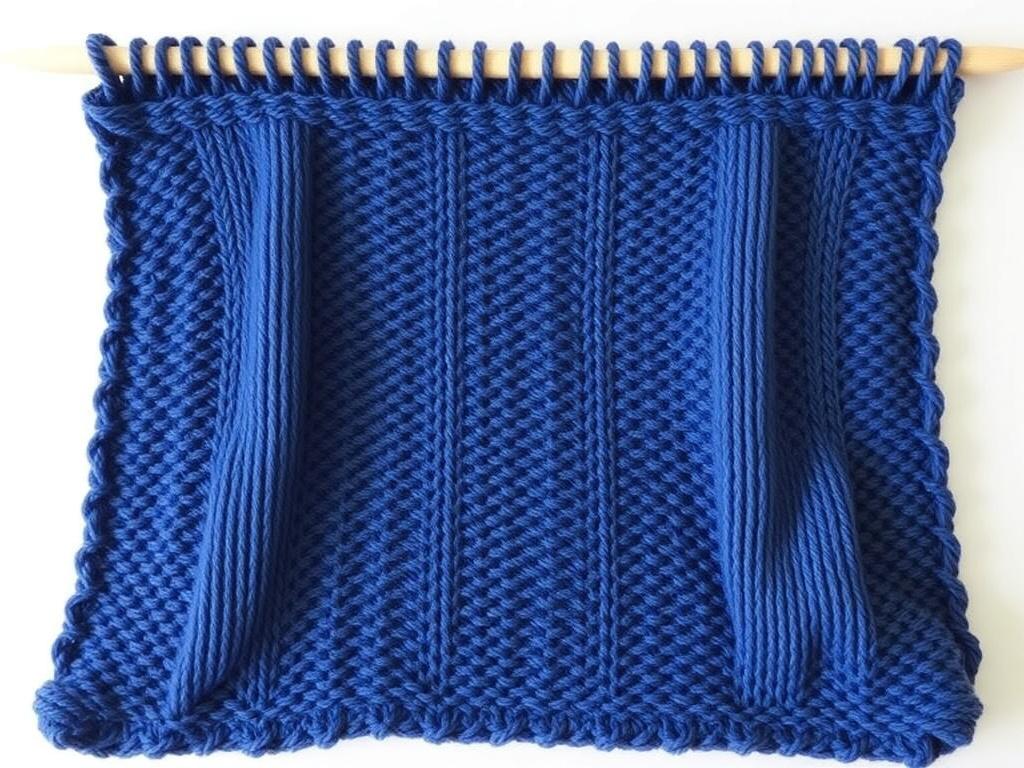
Steam blocking is ideal when you want to avoid putting a fully saturated piece under strain—delicates, some synthetics, and items with trimmings are typical candidates. It softens and relaxes without wetting the core fibers.
To steam block, lay the knit flat. Hover a steamer or an iron held above the fabric (avoid touching the surface) and allow steam to penetrate. Gently pat and shape with your hands, and use pins sparingly to hold edges in place while cooling.
Be cautious with high-heat steam around certain yarns like mohair and alpaca, which can be sensitive. Test a small swatch or an inside seam before steaming the whole piece to ensure no unwanted felted or shiny spots appear.
Spray blocking: quick fixes and touch-ups
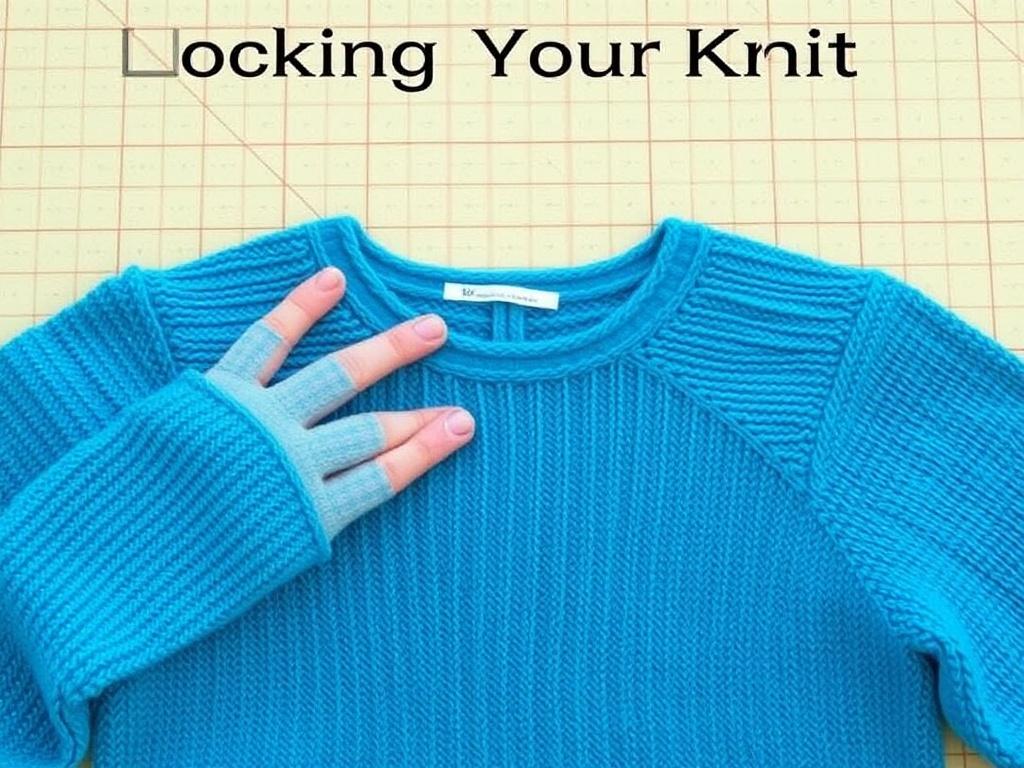
Spray blocking is a useful intermediate method when you need to smooth stitches or make minor adjustments. It’s less invasive than soaking but more effective than steaming for some fibers.
Pin the piece into position, then mist evenly with water until the fabric feels damp. Smooth and shape by hand, checking alignment and gauge as the fibers relax. Leave pinned until dry.
I use spray blocking when I’m prepping a photo shot and there are a few uneven edges or small folds that need attention but no full soak is necessary.
Blocking lace: opening motifs without over-stretching
Lace loves blocking because it reveals the pattern. The trick is to stretch just enough to open the motifs and preserve the yarn’s integrity without thinning the fabric excessively.
After wet soaking and draining, pin lace outward from the center, using blocking wires if you want perfectly straight edges. For shawls, set the tips and scallops at once, measuring to ensure symmetry.
Delicate laces made from silk or very fine merino may benefit from a gentle steam rather than a soak, especially if the yarn label warns against prolonged wet exposure.
Blocking heavy or chunky knits
Chunky knits can take a long time to dry, so plan accordingly. Wet blocking a heavy sweater requires strong towels and plenty of airflow; place the piece in a warm, ventilated area and consider using a fan to speed evaporation.
Chunky yarns can also change shape dramatically when wet, so pin cautiously. Rather than stretching extensively, focus on leveling and smoothing to prevent distorted stitch proportions.
For very heavy pieces, consider blocking in stages—tack the main lines and let partially dry, then go back for fine shaping once the fabric is firmer.
Blocking to size: measuring, shaping, and patience
To block to size, have a tape measure and a printed schematic or pattern measurements on hand. Lay the piece flat and nudge it into the targeted dimensions, checking every few pins.
Measure critical points: chest width, length from shoulder to hem, armhole depth, and sleeve length. Adjust gradually; if a measurement seems stubborn, let the piece dry slightly and try again rather than forcing it in one go.
Patience is your ally here. A rushed or overly forceful block can stretch fibers beyond recovery or create an uneven fabric memory that isn’t comfortable to wear.
Blocking and seams: pre- and post-seam strategies
Block garment pieces flat before seaming whenever possible. This ensures edges match and panels sit correctly when you stitch them together, reducing the need for tugging or altering seams later on.
After seaming, give the assembled garment a gentle final block to smooth seam lines and settle the fabric around joins. Be gentler in this step to avoid distorting the carefully matched sections.
When mattress-sewing seams, pin or baste first and then block lightly; the stitch alignment will stay true and the final seam will look neat and integrated into the fabric.
Edging, ribbing, and bands: special considerations
Edgings and ribbed bands behave differently from flat stockinette. Ribs usually spring back and can compress when wet. For a hat brim or sweater cuff, block with caution and aim only for light evening rather than massive stretching.
For rolled edges and scalloped borders, decide stylistically whether you want the edge to lay flat or keep its natural curl. Some rolled hems look charming unblocked; others benefit from light pinning to create a more formal silhouette.
If you’re adding a picked-up border, block before picking up stitches to ensure the edge is smooth and the stitch count is accurate for the intended pattern.
Careful blocking of mixed-fiber garments
When a garment uses more than one fiber—say wool sleeves with a cotton body—block each section according to the most delicate fiber’s needs. That often means gentler moisture and minimal heat.
Stitching different fibers together can create areas that respond unequally to blocking, so shape conservatively and expect some give-and-take in the final drape.
When in doubt, block swatches of the combined fabric to see how the assembled piece will behave before investing effort into the completed garment.
Common mistakes and how to avoid them
Avoid the temptation to overstretch in pursuit of size. Over-blocking can thin fabric, loosen stitch definition, and create garments that don’t retain their shape after wearing and washing.
Never use rusty or cheap pins; they can leave marks or snag fibers. Invest in rust-proof T-pins and consider stainless-steel blocking wires for clean, straight edges.
Also avoid drying in direct sunlight or high heat unless the yarn specifically allows it. Sun and heat can fade colors and sometimes cause shrinkage or felting in animal fibers.
Troubleshooting: stubborn stitches, uneven edges, and reblocking
If an edge refuses to lay flat, re-wet it slightly and reposition the pins. Sometimes letting the piece dry to a leather-hard state before minor adjustments helps fine-tune the shape.
Uneven stitch tension can often be corrected by re-blocking sections selectively—wet only the problem area and reshape it while the rest of the garment is dry to avoid upsetting other parts.
If a piece becomes distorted after washing, you can usually recover it by re-blocking with more structural supports like wires and precise measurements to coax it back into shape.
Blocking for performance: athletic and frequently washed knits
For items that will see frequent washing—think baby garments or workout accessories—consider blocking less aggressively. You want a fabric that retains its resilience after repeated laundering.
Test a garment by washing and drying it as you plan to treat it in real life, then check if the blocking held. If repeated laundering relaxes the shape too much, plan a gentler initial block and be ready to re-block as needed.
For outdoor or performance yarns with synthetic blends, follow manufacturer care instructions carefully. Many modern yarns are engineered to require minimal blocking and quick drying.
How I block a sweater: a real-world walkthrough
When I block a sweater I always start with the gauge swatch. I measure the swatch after wet blocking and compare it to the pattern numbers to confirm needle size or tension adjustments.
Then I soak back and front pieces and let them drain on towels. I pin shoulder seams lightly, then set the width and length using a tape measure and blocking wires for the hems to ensure evenness.
After a full dry, I mattress-seam the sides and sleeves, then give the assembled sweater one last gentle mist and light shaping to even everything out. The result feels manufactured, not homemade—clean lines and comfortable fit.
Storing blocked knits: preservation and shape retention
Store knit garments folded rather than on hangers to prevent shoulder stretching, and use breathable storage containers or cotton garment bags to avoid trapping moisture. Cedar or lavender sachets deter moths without harsh chemicals.
If a stored piece has flattened, a light re-block or steaming overnight on a flat surface will revive it. Avoid pressing with heat directly, especially on animal fibers that can felt.
For very fine or heirloom items, use acid-free tissue between folds to reduce creasing and retain the blocked shape longer.
Tools comparison: quick reference table
| Method | Best for | Pros | Cons |
|---|---|---|---|
| Wet blocking | Wool, cotton, lace | Thorough, opens lace, sets shape | Takes longest to dry; may over-stretch |
| Steam blocking | Delicates, synthetics | Quick, less water exposure | Risk of heat damage; less shaping power |
| Spray blocking | Small adjustments, quick fixes | Controlled, gentle | Less effective for major reshaping |
Eco-friendly blocking practices
Use lukewarm water and a mild, biodegradable wash if you can. Avoid harsh detergents and fabric softeners that can coat fibers and reduce breathability or stitch definition.
Air dry whenever possible. Fans help and avoid energy-intensive drying methods. Reuse rinse water for plants only if the product is plant-safe and unscented; otherwise dispose responsibly.
Choose durable blocking tools that last: stainless pins and foam mats extend usable life and reduce frequent replacements, which is a small but real sustainability win.
Learning by doing: practice projects and swatches
The fastest way to build confidence is practice. Try blocking swatches in various fibers and keep notes on what each yarn does after soaking or steaming. Record before-and-after measurements so you build a personal reference library.
Begin with low-stakes projects: a simple scarf, a cowl, or a dishcloth will teach basic shaping and towel drying without the pressure of sizing a sweater.
When you approach a complicated project, block a mini-version first—especially if combining unfamiliar gauges or fibers. This reduces surprises during final assembly.
Frequently asked questions knitters ask about blocking
“Will blocking ruin acrylic?” Not usually, but acrylics can relax differently and may not hold shape. Use steam or a light mist rather than a hot soak to be safe.
“How much can I stretch a lace shawl?” Stretch until motifs open and measurements match the pattern, but avoid over-thinning the fabric. Measure the intended span and work toward it gradually.
“Can I block dyed yarns?” Most commercial dyes are colorfast, but when in doubt test a small swatch or the inside hem. Use cool water for vibrant or hand-dyed yarns and add a drop of vinegar if bleeding occurs, then rinse until clear.
Finishing touches: after blocking care
Once dry, remove pins carefully to avoid creating new holes or pulling a strand. Gently smooth the surface with your palms if needed for final shaping.
If you’ve used wires, slide them out from the inside of the rows to prevent snagging neighboring stitches. Inspect seams and edges, and tidy up any loose ends with a short weave-in before storing or wearing.
Finally, give your finished garment a gentle once-over for pilling or stray fibers and trim them neatly. A well-blocked piece still benefits from small, tidy finishing steps.
Personal notes: what blocking taught me
I used to skip blocking, thinking it was optional fluff. The first time I blocked a lace shawl for a gift, the recipient’s reaction convinced me otherwise: the pattern read clearly, and the piece looked like something from a boutique.
Since then I’ve learned to approach blocking as an integral part of the process, not an optional add-on. It gives me control and helps manage expectations—my sweaters fit better, and my lace is consistently readable.
Blocking also saved me from tight seams and mismatched panels many times. A few hours of careful shaping prevents weeks of frustration and refactoring later on.
Ready to block
Blocking is one of those simple techniques that yields disproportionately large results. It’s both craft and chemistry: a little patience, the right tools, and thoughtful handling transform your knits from “handmade” to “finished.”
Start small, practice on swatches, and gradually tackle more ambitious projects. With time you’ll build a sense for how your favorite yarns respond and how to get the results you want without stress.
Blocking your knits is an investment in the life and look of your projects. When you take the few extra steps to shape and set your work, you elevate each item into something you’ll be proud to wear or gift for years to come.